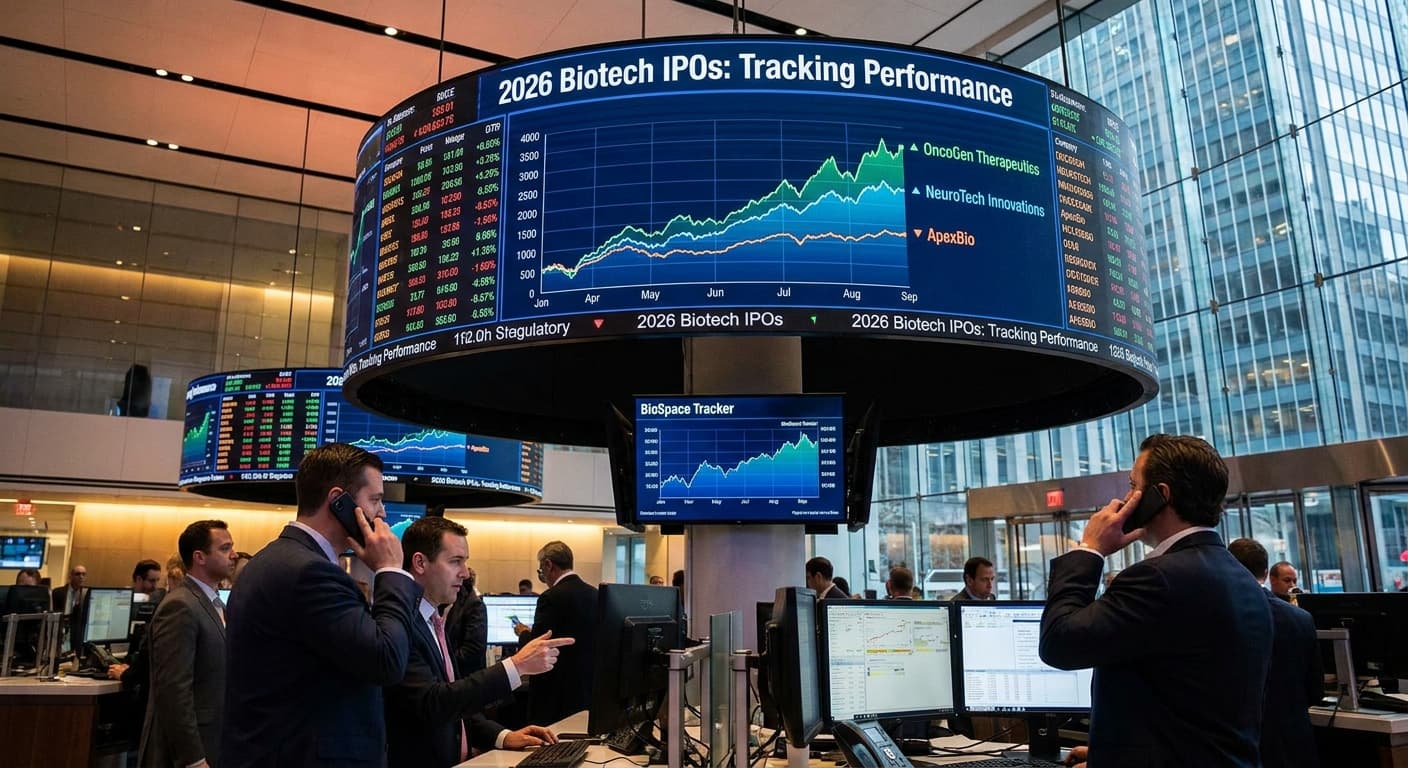
2026 Biotech IPOs: Tracking the Performance of Newly Public Companies

The biotech IPO wave of 2026 has been characterized by a surge of newly public companies seeking fresh capital and visibility in a rapidly evolving healthcare sector. As BioSpace launches its IPO tracker, stakeholders gain critical insight into which companies are thriving—and which are facing early growing pains—in the unforgiving public markets.
Unpacking the 2026 Biotech IPO Landscape: Industry Traction, Investor Sentiment, and What’s Next
Biotechnology initial public offerings (IPOs) have become a key barometer for both sector momentum and broader healthcare investment sentiment. The year 2026 has already distinguished itself with a steady flow of biotechs entering the public markets, each hoping to harness investor enthusiasm for innovation in life sciences, therapeutics, and medical technology. In response, BioSpace has launched an IPO dashboard dedicated to monitoring the performance of these newcomers—a tool that not only helps industry insiders and investors keep tabs on market movements, but also serves as a living index of the forces shaping biopharma’s next wave.
The Context: A Pivotal Year for Biotech IPOs
After the turbulence of the pandemic-era years, biotech’s relationship with public markets has been tested. Early 2020s volatility gave way to a more selective environment for new listings. Despite these headwinds, 2026 is seeing a resurgence, as companies with strong science, promising pipelines, and differentiated business models step forward. This year’s cohort of IPOs is being closely monitored for several reasons:
- Capital Needs: Biotechs, often years from profitability, depend on periodic infusions of capital to support clinical trials and regulatory filings. IPO proceeds typically fuel R&D, talent recruitment, and market strategies.
- Innovation Pipeline: The class of 2026 IPOs includes players in oncology, rare diseases, immunotherapy, digital health, and platform technologies. Tracking outcomes provides early signals about what types of innovation are capturing market mindshare.
- Valuations and Returns: For investors, measuring share price performance after listing helps clarify whether expectations are realistic and whether broader market sentiment is bullish or cautious. This, in turn, influences future IPO activity.
IPO Performance: What the Tracker Reveals
The BioSpace IPO tracker does more than just tally opening prices; it contextualizes each newly public company in terms of sector trends, capital raised, deal structure, and trading performance relative to the broader market or benchmark indices. Among the insights likely to emerge as the tracker accumulates more data in 2026:
- Early Gains and Losses: Some companies have seen immediate post-IPO bumps, reflecting pent-up investor enthusiasm and successful roadshows. Others, despite flashy science or ambitious narratives, have struggled out of the gate. The divergence between winners and laggards can highlight both the rigor of investor due diligence and the unforgiving nature of public scrutiny.
- Thematic Strongholds: Oncology remains popular, with several precision medicine and immunotherapy firms drawing robust attention. Cell and gene therapy entrants, though high-risk, command premium valuations when their pipelines appear validated by compelling preclinical or early clinical data.
- Geographic and Disease Focus: While the bulk of IPOs still cluster around U.S.-based firms, a growing international presence is evident. Companies focusing on rare and orphan diseases, neurological disorders, and next-generation platforms (such as RNA- or protein-based therapeutics) are shaping the frontlines of the public market narrative.
Investor Behavior: Trends and Takeaways
The performance of 2026 IPOs illustrates the shifting calculus of institutional and retail investors alike. In a market where inflation, monetary policy, and cross-sector uncertainty loom large, investors are expressing both optimism and caution:
- Selectivity is Key: Gone are the days when any biotech with a compelling story could secure a blockbuster IPO. Investors are scrutinizing lead assets, regulatory risk, IP positions, board composition, and go-to-market strategy before putting cash on the table.
- Private Equity and Venture Dynamics: Many companies going public in 2026 arrive with sizable venture backing and crossover funding. The interplay between public and private valuations remains complex, with pre-IPO mark-ups being tested in the heat of public scrutiny.
- Liquidity Matters: For investors, the ability to exit or build positions in public markets is an important lure. The dashboard provides a timely sense of which companies are generating buzz, trading volume, and ongoing analyst coverage.
Impacts on the Broader Biopharma Ecosystem
A robust IPO environment sets in motion a host of downstream effects:
- Talent Movement: Newly capitalized companies aggressively recruit leadership and specialized talent, often driving wage inflation and reshaping career trajectories for scientists, clinical developers, and commercial strategists.
- M&A and Partnering: Attractive IPO performance can also tee up later-stage acquisitions or strategic alliances, with more mature pharma companies keen to buy in to promising platforms or therapeutic areas rather than develop them in-house.
- Incentives for Innovation: A vibrant public market improves the reward/risk balance for founders, early employees, and venture backers, keeping the innovation engine running even as R&D costs grow.
Sector Risks and Cautions
Despite the promise, risks abound. A cooling market, regulatory surprises, or underwhelming clinical results can quickly turn momentum. Some newly public firms find themselves exposed to shorts, activist shareholders, or public campaigns for change. Others may be forced into cost-cutting, pivots, or even strategic sales if post-IPO fundraising hopes are dashed.
Furthermore, public scrutiny brings accountability—on pricing, access, diversity, and transparency. Companies unable or unwilling to adapt may struggle in the face of evolving stakeholder expectations.
Navigating the IPO Tracker: What to Watch
As BioSpace’s tracker evolves, some themes to monitor include:
- Follow-On Financings: Are companies able to raise additional funds at or above IPO pricing?
- Key Milestones: Watch for regulatory designations, trial readouts, or M&A activity affecting listed companies.
- Leadership Turnover or Board Changes: These may signal growing pains or strategic shifts.
- Market Sentiment: Analyst ratings and media coverage can shape sentiment, for better or worse.
Conclusion: The Road Ahead for Biotech IPOs in 2026 and Beyond
In sum, the wave of 2026 biotechnology IPOs is shaping up to be both an opportunity and a series of pointed lessons for companies, investors, and policy observers alike. The BioSpace IPO tracker offers a unique window into this dynamic market, capturing successes, missteps, and the broader sentiment shifts that define an ever-evolving healthcare landscape.
As market dynamics continue to play out, those following the sector would do well to track not just individual corporate stories, but the macro trends signaled by capital flows, company performance, and the continuous interplay between innovation, risk, and reward. The year’s results may well set the tone for biotech fundraising cycles and public market interest for years to come.
For the latest updates and to explore performance data in detail, see the original resource at BioSpace.
Join the BioIntel newsletter
Get curated biotech intelligence across AI, industry, innovation, investment, medtech, and policy delivered to your inbox.