5 Biopharma M&A Deals Where the Workforce Was the Prize

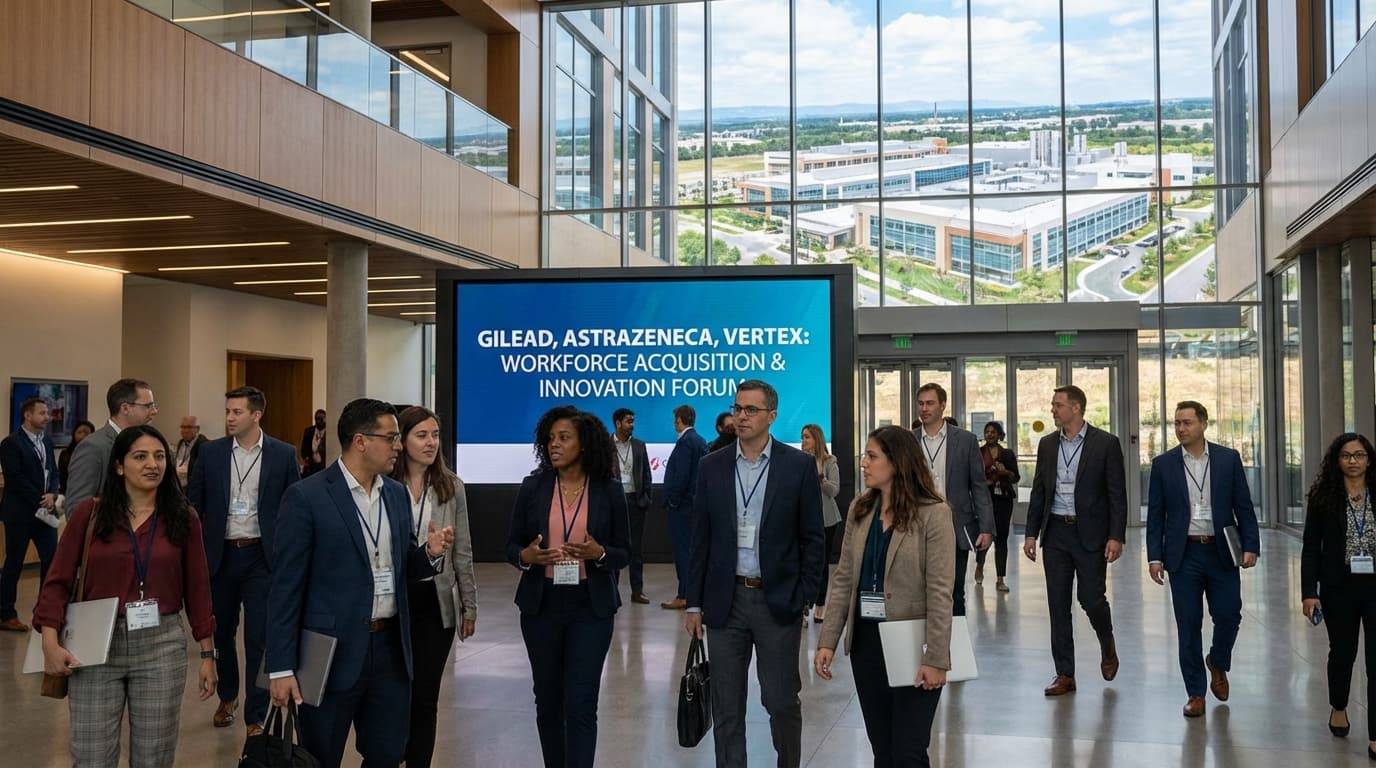
In recent transactions, leading biopharma companies such as Gilead, AstraZeneca, and Vertex have pursued acquisitions that emphasize the value of skilled staff and research teams. This trend marks a strategic focus on human capital as a key driver of innovation and competitive advantage in the sector.
The biopharmaceutical industry has seen a notable trend in mergers and acquisitions (M&A) where companies are motivated not solely by their pipeline of therapeutic products, but significantly by the inherent value of the workforce they are bringing onboard. In recent years, companies such as Gilead, AstraZeneca, and Vertex have completed deals where acquisition targets' talented staff and expert teams were the centerpiece of the transactions. This shift in M&A strategy reflects a broader recognition that skilled human capital is a critical asset in the highly competitive and innovation-driven landscape of biopharma.
Understanding this phenomenon requires an examination of the specific factors that have made the workforce so valuable. The biopharma sector is characterized by rapid technological advancements, complex drug development processes, and intense regulatory environments. Acquiring not just therapeutic candidates, but also the scientists, clinical experts, and operational teams with proven expertise, fast-tracks organizational capabilities and strengthens future growth potential.
These transactions demonstrate that companies are willing to invest heavily in talent acquisition as a long-term strategic bet on innovation capacity. For example, when firms absorb teams with specialized expertise in cutting-edge therapeutic areas—such as gene editing, immunotherapy, or advanced biologics—they can accelerate time-to-market for new products and bolster their competitive positioning.
Moreover, workforce-centric acquisitions can bring intangible benefits such as enhanced culture of scientific excellence and agility, fostering an environment conducive to breakthrough discoveries. This modus operandi is particularly important given the complexities of clinical development, regulatory scrutiny, and the need for adaptive strategies in personalized medicine.
This article takes a deeper look at five such recent deals where biopharma companies prioritized the value of the workforce as much as, or even more than, the product pipeline. The analysis also explores the implications of this trend for industry stakeholders, including investors, employees, and the broader ecosystem.
Acquisitions driven by human capital considerations underscore the evolving dynamics in the biopharmaceutical industry, where talent is recognized as a critical driver of innovation, growth, and sustainable competitive advantage.
The Dynamics of Workforce-Driven M&A in Biopharma
M&A in the biopharma sector has traditionally been motivated by the desire to acquire promising therapeutic candidates or complementary technology platforms. However, the recent shift towards workforce valuation reflects a nuanced understanding that the people behind the science are equally, if not more, important.
Several factors converge to make workforce-driven acquisitions attractive:
- Talent scarcity: Specialized expertise in novel therapeutic modalities is limited, making it difficult to build certain capabilities organically.
- Innovation acceleration: Onboarding experienced teams can reduce the lead time for drug development and commercialization.
- Competitive defense: Acquiring talent can prevent rival firms from gaining an edge in strategic areas.
- Cultural integration: Infusing new skills and mindsets to complement existing operations enhances overall capability.
Case Examples: Gilead, AstraZeneca, and Vertex
Each of these companies has exemplified the workforce-centric approach in recent deals:
-
Gilead: Focused on bolstering its cell therapy and oncology pipelines by acquiring talented research teams alongside assets, facilitating expansion in these competitive fields.
-
AstraZeneca: Leveraged acquisitions to bring on board scientists with deep expertise in immuno-oncology and rare diseases, accelerating its innovation trajectory.
-
Vertex: Targeted gene editing and precision medicine capabilities through deals emphasizing expert teams, aligning with its strategic focus on transformative therapies.
Implications for the Biopharma Ecosystem
Workforce-driven acquisitions create ripple effects across the industry:
- For investors: It signals the increasing premium on talent and organizational capabilities when evaluating company valuations and deal rationales.
- For employees: Opportunities and challenges arise as integration processes require cultural alignment and retention strategies to maximize the value of human capital.
- For innovation: The approach may enhance collaboration and knowledge sharing, driving more rapid scientific breakthroughs.
Conclusion
The biopharma industry’s evolving M&A strategies reflect a sophisticated recognition of the workforce as a central asset. As companies compete to secure top talent and scientific expertise, their acquisition targets are valued not just for their products but for the people who drive innovation. This trend marks a critical shift in how value is created and assessed in biopharma, with broad implications for the future of the industry.
For further reading, the detailed analysis by BioSpace provides comprehensive insights into these five significant deals and their strategic underpinnings.
Source: BioSpace - 5 biopharma M&A deals where the workforce was the prize
Join the BioIntel newsletter
Get curated biotech intelligence across AI, industry, innovation, investment, medtech, and policy delivered to your inbox.