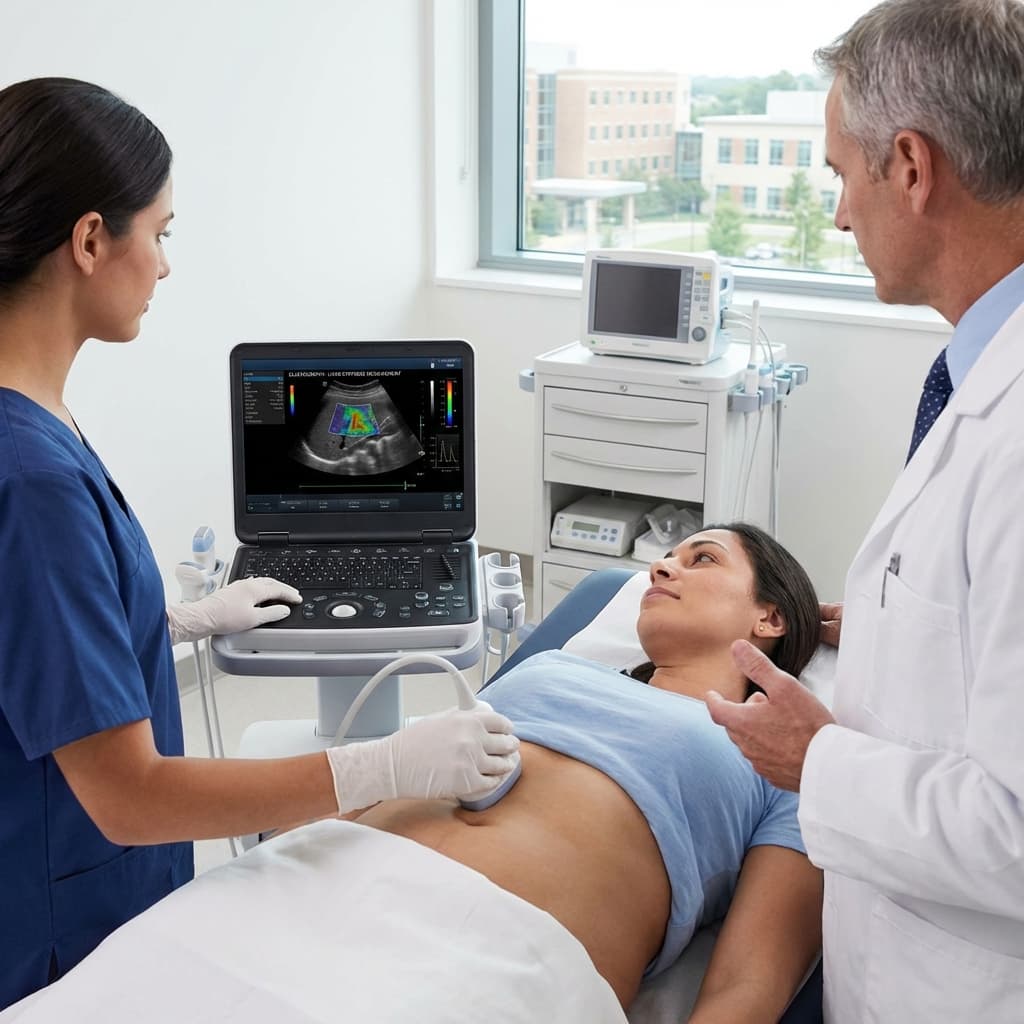
A Guide to Noninvasive Liver Diagnostic Devices: Technology and Leading Organizations Explained

Noninvasive diagnostic devices for liver conditions are gaining prominence due to their ability to provide clinical insights without the need for invasive procedures. This guide explores how these technologies work and profiles leading organizations developing these solutions.
The field of liver diagnostics has witnessed substantial innovation with the development of noninvasive devices that aim to simplify clinical practice while improving patient outcomes. Traditional liver diagnostics often involve invasive biopsy procedures that carry risks and require significant recovery time. The evolution of technology in this domain is focused on reducing these challenges by leveraging advanced imaging technologies, elastography, and novel biomarkers measurement systems.
Noninvasive liver diagnostic devices encompass a range of technologies including transient elastography, magnetic resonance elastography, ultrasound-based methods, and serum biomarker panels. These technologies aim to assess liver fibrosis, steatosis, and other pathologies that affect liver function and structure. Elastography, for example, measures the stiffness of liver tissue which is a key indicator of fibrosis progression in diseases like hepatitis and nonalcoholic fatty liver disease (NAFLD).
Leading organizations in this space are driving the commercialization and clinical adoption of these innovative tools. They are partnering with healthcare institutions to validate device accuracy, ease of use, and cost-effectiveness in real-world settings. The combination of these technologies with data-driven analytics and machine learning models offers promising potential for enhanced disease monitoring and personalized treatment planning.
Despite the promising advancements, stakeholders must consider factors such as device accessibility, regulatory approval pathways, reimbursement frameworks, and integration with existing healthcare infrastructure. Clinical workflows may require adaptation to fully leverage the capabilities of these devices, and ongoing education for healthcare providers is essential to maximize clinical benefits and patient safety.
In summary, the growing suite of noninvasive liver diagnostic devices represents a transformative shift in hepatology, delivering reduced procedural risks, improved patient experience, and data-rich insights for clinicians. Continued collaboration across technology developers, care providers, and regulatory authorities will be pivotal in realizing the full potential of these innovations in everyday clinical practice.
Source: MedCity News
Join the BioIntel newsletter
Get curated biotech intelligence across AI, industry, innovation, investment, medtech, and policy delivered to your inbox.