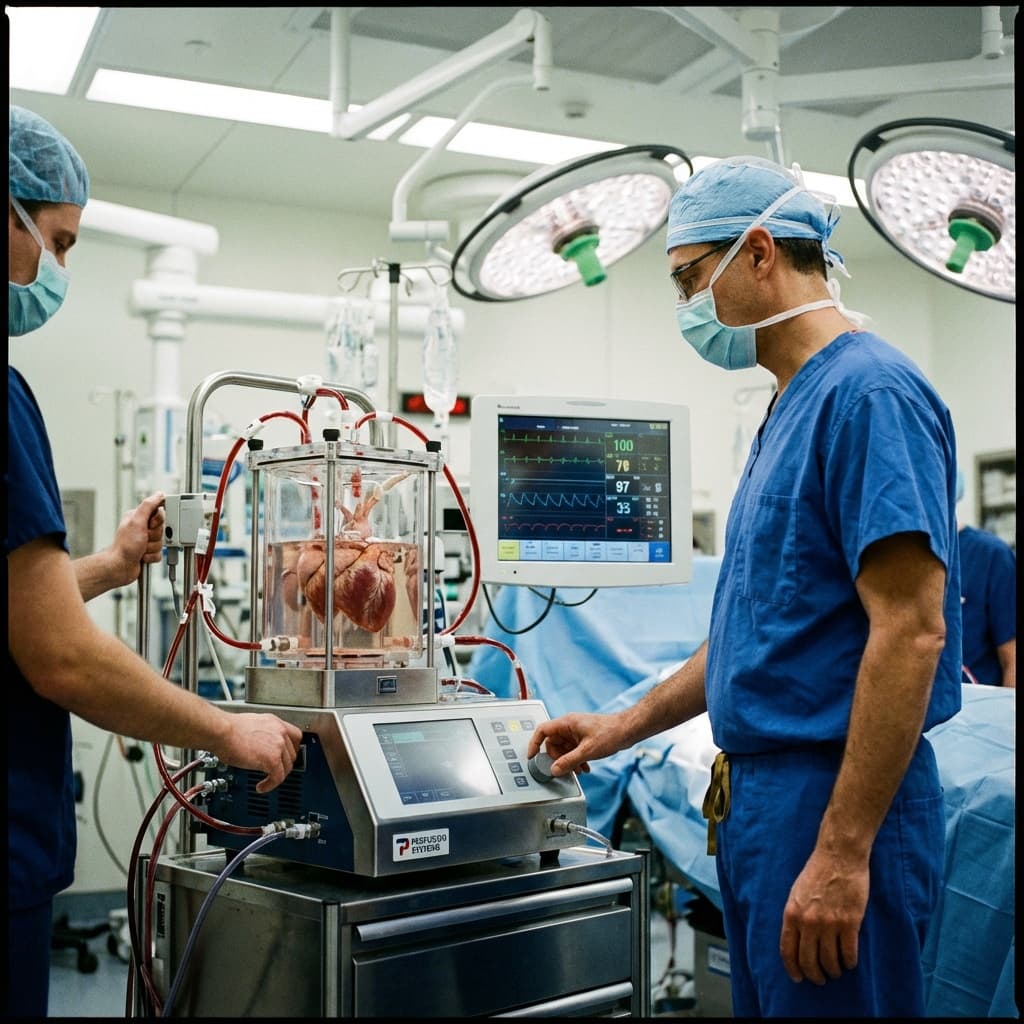
New Advances in Organ Transplantation: How Perfusion Technologies Are Transforming the Field

Recent developments in perfusion technologies have expanded the possibilities for organ transplantation, turning what was once a field constrained by scarcity into one characterized by growing opportunity and improved outcomes. By oxygenating and nourishing organs outside the body, these technologies allow for longer preservation and better clinical decision-making.
Organ transplantation has historically faced significant challenges due to the limited viability of donor organs outside the body. The advent of machine perfusion technologies represents a pivotal advancement in addressing these limitations, promising to reshape the organ transplantation landscape dramatically.
Machine perfusion involves continuously circulating oxygenated blood or specialized nutrient-rich solutions through donor organs after procurement. This process maintains organ health during transportation and extends viability far beyond traditional cold storage methods.
By prolonging organ viability, perfusion technologies facilitate transporting organs over longer distances, expanding the potential donor pool geographically. This can increase the likelihood that more patients receive suitable organ matches, particularly in regions where transplant waitlists are long and organ availability is scarce.
Moreover, these technologies enable medical teams to better assess organ function and condition in real-time, supporting more informed decisions regarding organ acceptance and transplantation readiness. This not only enhances transplant success rates but also reduces the chances of transplant-related complications.
The breakthrough potential of perfusion technologies is multifaceted:
- Increased Organ Availability: Perfusion can rejuvenate marginal or extended criteria donor organs previously considered unsuitable.
- Optimized Organ Assessment: Continuous monitoring during perfusion offers detailed physiological data that can guide transplant teams.
- Improved Patient Outcomes: By reducing ischemic injury and extending preservation time, these technologies contribute to higher graft survival rates.
From an industry perspective, the development and deployment of perfusion devices also stimulate innovation in biomedical engineering, materials science, and clinical protocols. Companies specializing in organ preservation are attracting increased investment, reflecting the growing recognition of the field's strategic importance.
Clinicians and researchers are actively exploring combinations of perfusion with other emerging therapies, such as immunomodulatory treatments, to further enhance transplant success.
However, despite these advances, challenges remain. Widespread adoption requires standardized protocols, regulatory approvals, cost considerations, and training for transplant centers.
The ethical and logistical aspects of organ transplantation also continue to be critical areas of focus, including equitable organ allocation and addressing disparities in access.
Looking ahead, continued technological innovation and integration with digital health tools, such as predictive analytics and telemedicine, are anticipated to drive further improvements.
In summary, perfusion technologies are transitioning organ transplantation from a paradigm constrained by scarcity and urgency to one of possibility and precision medicine. The impact on patient survival and quality of life holds tremendous promise.
Further in-depth analysis and updates on this transformative technology can be found in the original article published by MedCity News: From Scarcity to Possibility: What Perfusion Technologies Mean for the Organ Transplantation Industry.
Join the BioIntel newsletter
Get curated biotech intelligence across AI, industry, innovation, investment, medtech, and policy delivered to your inbox.