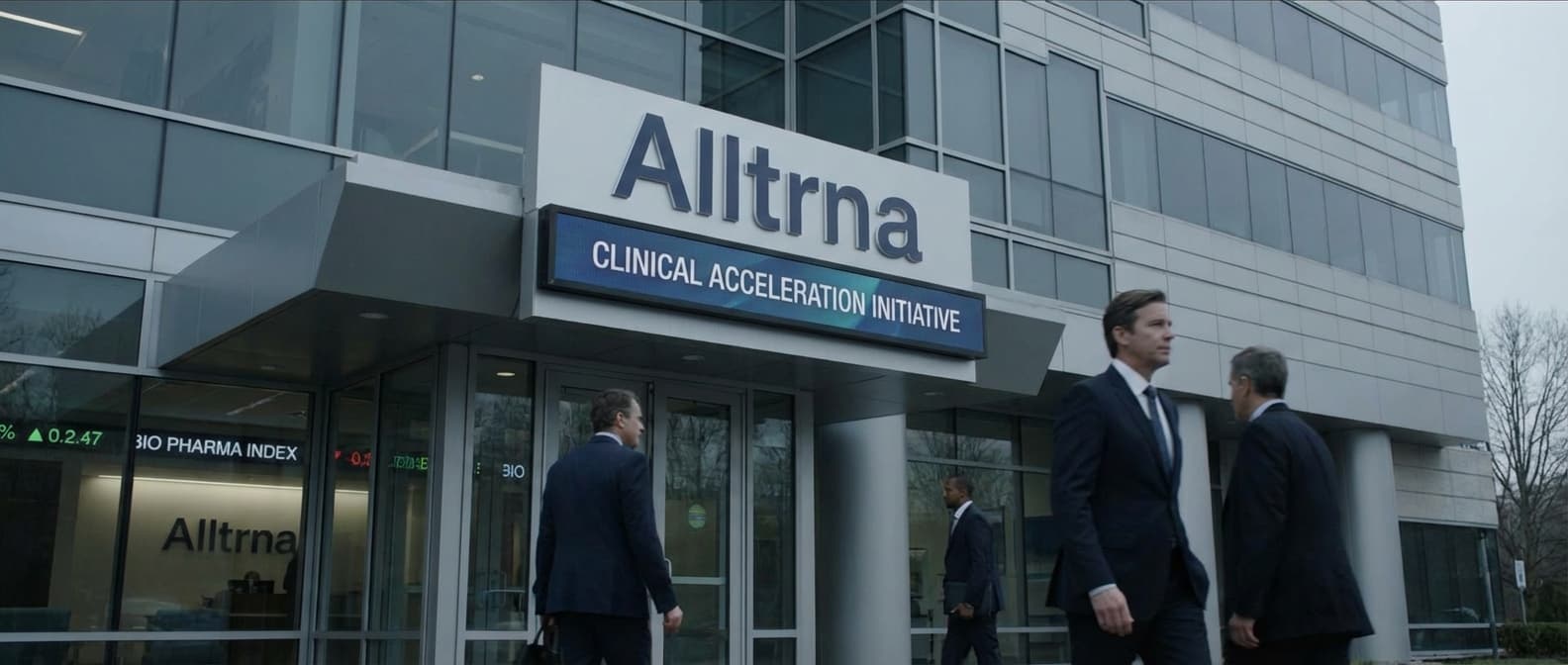
Alltrna’s Clinical Acceleration Aims Leave 35% of Staff Behind

As biotech companies accelerate clinical programs to achieve competitive and regulatory milestones, workforce adjustments often follow. Alltrna’s recent announcement of laying off over a third of its staff signals a critical phase in its development strategy, underscoring the balancing act between advancing pipelines and maintaining operational efficiency.
In the rapidly evolving landscape of biopharmaceutical development, companies frequently face the challenge of optimizing their workforce to align with shifting strategic priorities. Alltrna’s recent move to accelerate clinical development has come with significant operational consequences, notably reducing its workforce by an estimated 35%. This strategic restructuring illustrates broader trends within the biotechnology sector where clinical development timelines, capital allocations, and workforce considerations must be carefully balanced to maximize long-term value and innovation potential.
Clinical acceleration typically represents a stage at which companies intensify resources towards late-stage clinical trials, regulatory interactions, and potential commercial preparations. While such advancement is often viewed positively by investors and stakeholders, operational realignments such as layoffs reflect the need to streamline functions, eliminate redundancy, and reduce expenditures in areas deemed non-critical to immediate clinical goals.
The specifics around Alltrna’s layoffs are indicative of these broader pressures. By shedding approximately one-third of its staff, the company underscores the operational pivot from discovery phases towards focused clinical execution. This has implications not only for employee morale but also for how remaining teams will redistribute workload and responsibilities across clinical, regulatory, and commercial functions.
Biotech layoffs amid growth phases are not uncommon and should be seen within the context of the company's lifecycle. Early-stage companies tend to hire broadly to fuel research, innovation, and pipeline expansion whereas later stages often demand more specialized skills aligned with clinical execution. As such, the attrition at Alltrna may well reflect this evolution rather than a downturn in company prospects.
Nonetheless, workforce reductions at this scale inevitably draw attention to potential concerns regarding project timelines, capital sufficiency, and strategic clarity. Industry observers will watch closely how Alltrna manages these challenges amid growing expectations for clinical milestones and potential regulatory approvals.
In sum, Alltrna’s decision to accelerate clinical activities while reducing workforce headcount by 35% is emblematic of the delicate balancing act biotech companies face. Optimizing for clinical success often means reorganizing human capital to reflect the evolving priorities from research to commercialization. The coming months will reveal how Alltrna navigates these operational shifts and maintains momentum in advancing its clinical pipeline.
Source: BioSpace Layoff Tracker
Join the BioIntel newsletter
Get curated biotech intelligence across AI, industry, innovation, investment, medtech, and policy delivered to your inbox.