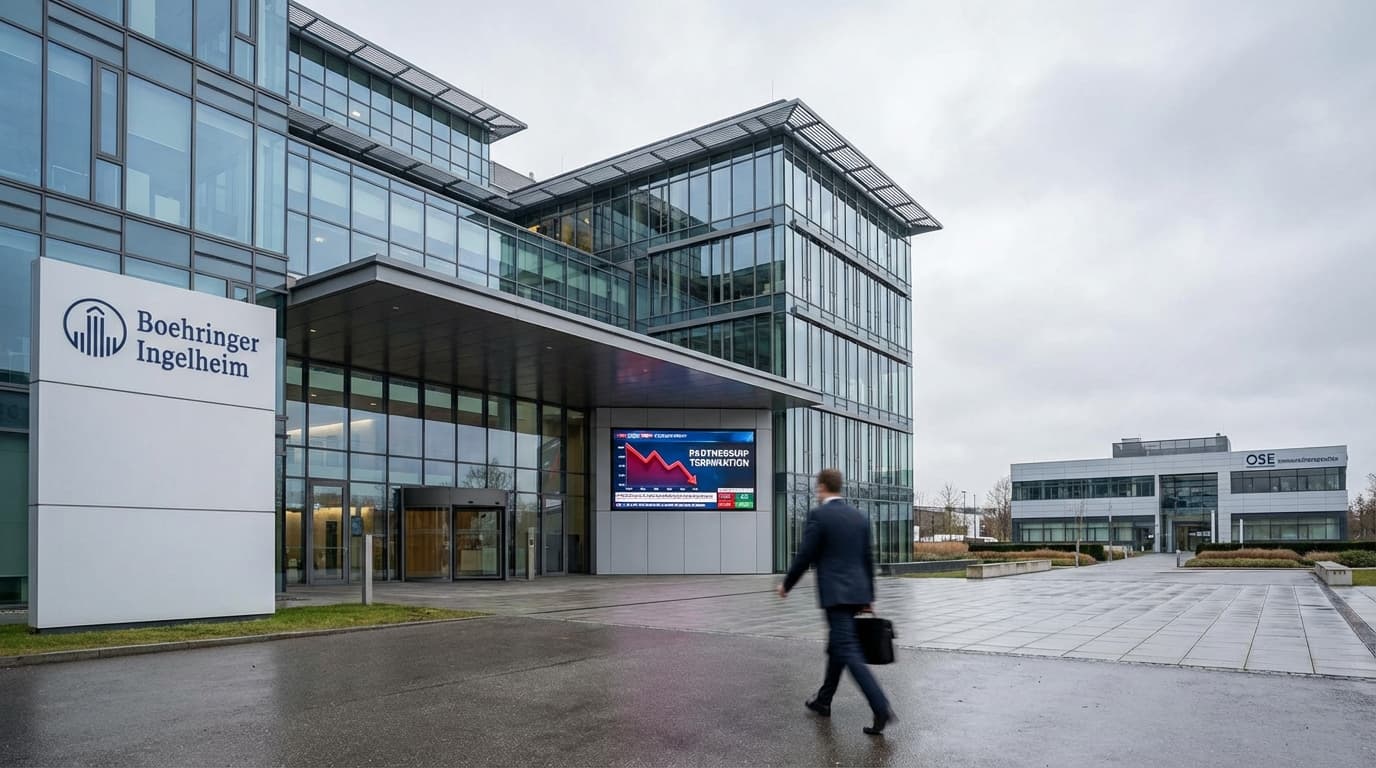
Boehringer Ingelheim Ends MASH Collaboration with OSE After Mid-Stage Data Falls Short

The partnership between Boehringer Ingelheim and OSE Immunotherapeutics on the MASH program has come to an end due to underwhelming clinical outcomes in mid-stage trials. As a result, OSE is strategically realigning to concentrate on advancing its lead candidate lusvertikimab, targeting ulcerative colitis, while deprioritizing other assets such as OSE-230 partnered with AbbVie.
The biopharmaceutical industry is witnessing a significant shift as Boehringer Ingelheim announced it is ending its collaboration under the MASH pact with OSE Immunotherapeutics. This strategic move follows disappointing mid-stage clinical data that failed to meet the expectations set by both companies. The termination of this partnership highlights the challenges inherent in drug development, especially in the competitive immuno-oncology and autoimmune therapy sectors.
OSE Immunotherapeutics, a company focusing on immunotherapy, had been working closely with Boehringer Ingelheim to develop novel therapies under the MASH agreement. However, recent data from mid-stage clinical trials demonstrated a lack of sufficient efficacy or other critical endpoints, prompting a reevaluation of the partnership's viability. In the face of these results, OSE has initiated a strategic realignment process, which includes deprioritizing the development of OSE-230, a candidate that had been partnered with AbbVie.
Instead, OSE is reallocating its resources and focus toward its late-stage development of lusvertikimab, a therapy designed to treat ulcerative colitis, a chronic inflammatory bowel disease with significant unmet medical needs. Lusvertikimab's advancement into late-stage trials indicates OSE's commitment to bringing innovative treatments to patients suffering from this condition, which affects millions worldwide. The decision to concentrate on lusvertikimab underscores the company's renewed strategic priorities in the face of the MASH pact's dissolution.
Mid-stage clinical trials are a critical juncture in drug development where the safety and efficacy profiles of candidate therapies are rigorously assessed. Disappointing outcomes at this stage can have profound effects on the trajectory of a drug's development and the partnerships that underpin it. Boehringer Ingelheim's choice to cease involvement signals prudent risk management and a focus on promising assets within its portfolio.
This development also reflects the broader challenges in the biopharmaceutical landscape where collaborations and licensing agreements play vital roles in accelerating innovation but must also contend with the realities of clinical trial outcomes. Companies often must pivot quickly to safeguard their pipelines and invest in candidates with the highest potential for regulatory approval and commercial success.
The impact of the termination extends beyond the immediate companies involved. It sends signals to investors, stakeholders, and partners about the rigorous standards in therapeutic development and the importance of mid-stage data in guiding strategic decisions. For patients awaiting new therapies, this may be a setback, but the intensified focus on lusvertikimab by OSE offers hope for advancement in ulcerative colitis treatment options.
In conclusion, Boehringer Ingelheim's termination of the MASH agreement with OSE after mid-stage trial disappointments illustrates the dynamic and challenging nature of drug development partnerships. OSE's decision to pivot and emphasize the late-stage development of lusvertikimab showcases adaptability in the biopharmaceutical sector, aiming to maximize the potential for bringing impactful therapies to market.
For further updates and in-depth analysis, the biopharmaceutical community will be closely monitoring OSE's progress with lusvertikimab and any subsequent strategic partnerships that may emerge following the MASH pact's end.
Source: Boehringer Ingelheim Axes MASH Pact With OSE After Disappointing Mid-Stage Data
Join the BioIntel newsletter
Get curated biotech intelligence across AI, industry, innovation, investment, medtech, and policy delivered to your inbox.