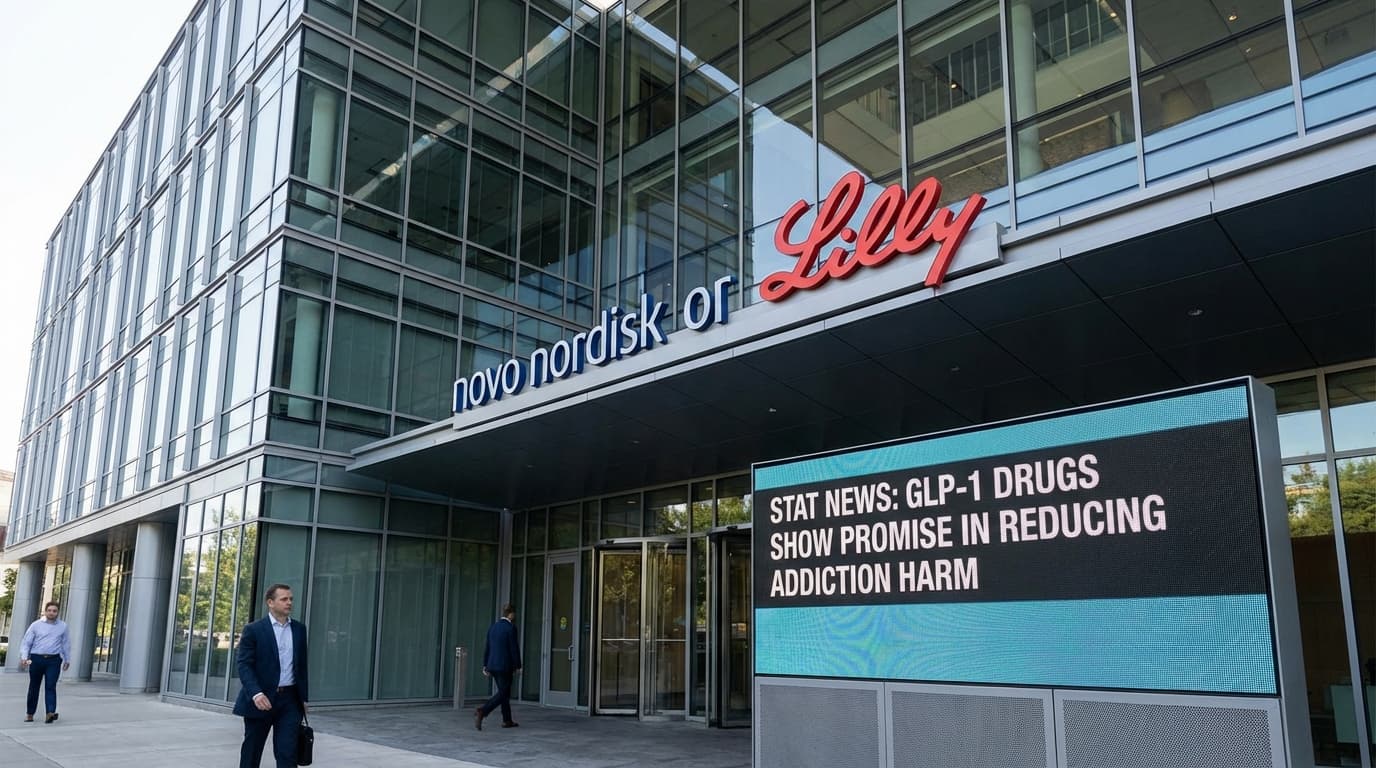
New Findings Suggest GLP-1 Drugs May Reduce Addiction-Related Harm

Emerging research links GLP-1 receptor agonists to a decreased incidence of addictive behavior consequences, suggesting a potential role for these drugs beyond metabolic disorders. The implications for addiction treatment and public health policies are significant, making this a rapidly evolving area of focus in biopharmaceutical development.
Glucagon-like peptide-1 (GLP-1) receptor agonists, primarily prescribed for diabetes and obesity management, are now gaining attention for their potential impact on addiction-related outcomes. A recently published study, highlighted by STAT News on March 4, 2026, reveals compelling associations between the use of GLP-1 drugs and substantial reductions in substance-related harms.
According to the study, patients using GLP-1 receptor agonists experienced approximately 50% fewer substance-related deaths, a 39% decrease in drug overdoses, and 26% fewer hospitalizations due to drug-related causes compared to those not using these medications. These results suggest that GLP-1 drugs may modulate biological pathways implicated in addiction and substance use disorders.
The intersection of addiction and metabolic treatments opens new avenues for understanding the neurochemical basis of addictive behaviors. GLP-1 receptors are known to be present in brain areas involved in reward regulation and cravings. Their activation might help regulate the neural circuits that drive addiction, thereby offering a biological rationale for the observed clinical benefits.
While GLP-1 medications such as semaglutide and liraglutide have transformed the treatment landscape for metabolic diseases, their novel application in addiction medicine warrants comprehensive investigation through rigorous clinical trials. Researchers emphasize the importance of cautious interpretation, as this is an emerging field requiring further validation.
The potential to repurpose existing FDA-approved drugs targeting GLP-1 pathways offers hope for addressing the persistent public health challenge posed by substance addiction. Given the widespread prevalence of addiction and overdose crises, innovative pharmacological interventions could complement existing behavioral and psychosocial treatments.
However, the scientific and medical communities must overcome several hurdles, including elucidating the mechanisms of action, optimizing dosing regimens, and determining long-term safety in the context of addiction treatment. Concomitant challenges include regulatory considerations and ensuring equitable access to these therapies if proven effective.
Public health policy implications are profound, as integrating GLP-1 receptor agonists into addiction treatment protocols could significantly reduce morbidity and mortality associated with substance abuse. It also raises questions about insurance coverage, prescribing practices, and potential impacts on healthcare utilization and costs.
Overall, the evolving evidence on GLP-1 drugs' role in addiction exemplifies the dynamic nature of biopharmaceutical research, where drugs developed for one condition may establish new therapeutic frontiers. Continued research and dialogue among clinicians, researchers, policymakers, and patient advocates will be crucial in translating these findings into meaningful public health outcomes.
This article is based on findings and analysis from STAT News source.
Join the BioIntel newsletter
Get curated biotech intelligence across AI, industry, innovation, investment, medtech, and policy delivered to your inbox.