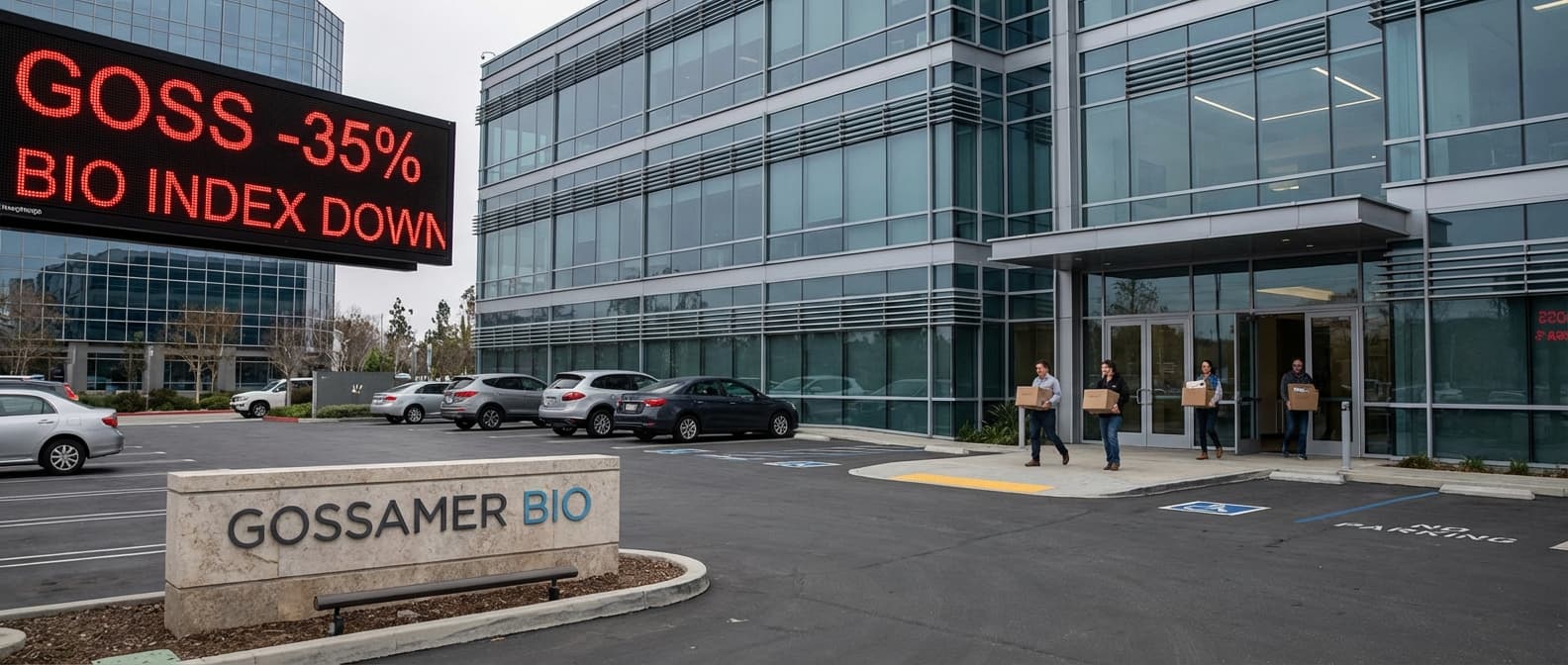
Gossamer Bio Slashes Workforce Following Late-Stage Hypertension Trial Failure

Following the setback of its late-stage drug candidate for pulmonary arterial hypertension, Gossamer Bio initiated major layoffs as part of a cost-saving strategy. The failure of this pivotal trial raises uncertainty about the company's pipeline and financial stability.
The biopharmaceutical sector often faces unpredictable outcomes in drug development, and Gossamer Bio's recent decision to nearly halve its workforce highlights the harsh realities companies face after clinical setbacks. Last month, Gossamer Bio announced that its sole late-stage drug candidate, intended to treat pulmonary arterial hypertension, failed a Phase 3 clinical trial. This failure has not only cast doubts on the drug’s future prospects but has also prompted the company to implement drastic cost-cutting measures.
Pulmonary arterial hypertension (PAH) is a progressive disease characterized by high blood pressure in the arteries of the lungs, leading to heart failure and premature death. Developing effective therapies for PAH is challenging, with substantial unmet medical needs remaining despite existing treatment options. Given the severity of the disease, late-stage clinical trials for PAH are critical and costly endeavors.
The failure of Gossamer's candidate in this pivotal trial has severe implications. Late-stage trials, typically Phase 3, represent the final step before seeking regulatory approval. Failure at this stage not only impacts company valuation but also investor confidence and the future strategic direction.
In response, Gossamer Bio has nearly halved its workforce to preserve cash and extend its operational runway. This decision reflects a survival strategy focusing on their remaining assets, pipeline reshuffling, and operational efficiency improvements.
Such workforce reductions also indicate the broader pressures within the biopharmaceutical industry where companies must balance innovation pursuits with financial sustainability. Investors and market watchers will be keen to understand how Gossamer reshapes its development strategy and whether it can recover from this setback.
Given that Gossamer Bio was reliant on this late-stage candidate as a primary growth driver, the company may now need to explore partnerships, licensing, or asset sales to maintain its business viability.
Industry analysts often point out that drug development is fraught with risks and that pipeline diversification and robust early-stage validation are essential to mitigate such failures. Companies like Gossamer are a reminder of the fragile balance in biotech between scientific innovation and commercial execution.
This situation also underscores broader themes in biopharma including investment volatility, the cost of late-stage clinical development, and the importance of adaptive company strategies in the face of trial failures.
As the market continues to watch Gossamer Bio’s next steps, the company’s experience serves as a cautionary tale for others navigating the complexities of drug development in pulmonary hypertension and other challenging therapeutic areas.
Source: Gossamer Nearly Halves Workforce in Savings Push After Late-Stage Hypertension Fail
Join the BioIntel newsletter
Get curated biotech intelligence across AI, industry, innovation, investment, medtech, and policy delivered to your inbox.