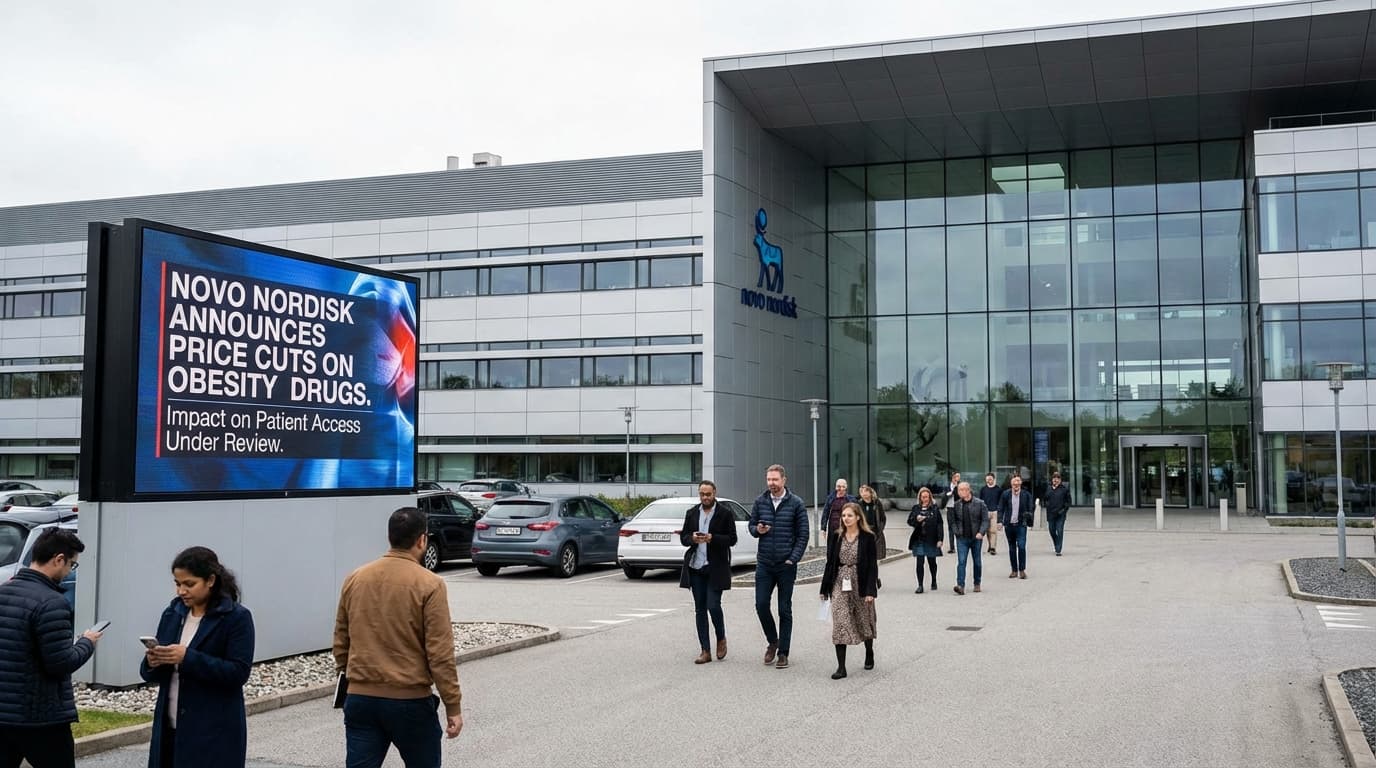
Evaluating Novo Nordisk’s Price Reduction on Obesity Drugs: Impact on Patients and Access

The recent price reduction by Novo Nordisk on its obesity drug portfolio prompts a nuanced discussion about whether this move truly benefits patients in terms of affordability and expanded access. This article delves into the market dynamics and potential implications for healthcare stakeholders.
Novo Nordisk, a global leader in diabetes and obesity treatments, has recently announced substantial price cuts for its obesity drug products. This decision arrives amid ongoing debates about drug pricing transparency, accessibility, and the broader implications for patient care and healthcare economics.
Obesity drugs have become a critical therapeutic area due to the increasing prevalence of obesity-related health conditions worldwide. The high cost of these medications has often limited their accessibility for many patients, creating barriers to effective treatment. Novo Nordisk's move to slash prices might seem on the surface as a welcome effort to alleviate financial burdens on patients. However, the actual impact depends on multiple factors including insurance coverage, reimbursement policies, and healthcare provider adoption.
Price reduction strategies can potentially expand patient access by making treatments more affordable for those under-insured or facing high out-of-pocket costs. Nevertheless, the complexity of the healthcare system means that price cuts alone may not directly translate into immediate savings for all patients. Factors such as pharmacy benefit manager (PBM) negotiations, co-pay structures, and eligibility criteria for assistance programs play considerable roles.
Moreover, the sustainability of lower prices is often scrutinized. Pharmaceutical companies balance pricing strategies with investment in ongoing research and development. Novo Nordisk’s price cuts could potentially signal shifts in market competition or regulatory pressures aimed at curbing drug prices. The company’s approach reflects a broader industry trend of addressing affordability concerns while navigating commercial viability.
Stakeholders including healthcare providers, payers, and patient advocacy groups await clearer data on how these pricing changes affect real-world patient outcomes and access metrics. It is crucial to monitor subsequent trends in prescription volumes, adherence rates, and health outcomes to evaluate efficacy beyond the sticker price.
In summary, Novo Nordisk’s recent price adjustments on obesity drugs represent an important development in the biopharmaceutical industry’s response to drug cost and accessibility challenges. While the price cuts offer hope for improved patient affordability, the actual benefits will depend on an interplay of healthcare system variables and continued stakeholder collaboration.
For further detailed coverage and analysis, see the original article at STAT News: Will Novo Nordisk’s slashing of obesity drug prices save patients’ money? It depends.
Join the BioIntel newsletter
Get curated biotech intelligence across AI, industry, innovation, investment, medtech, and policy delivered to your inbox.