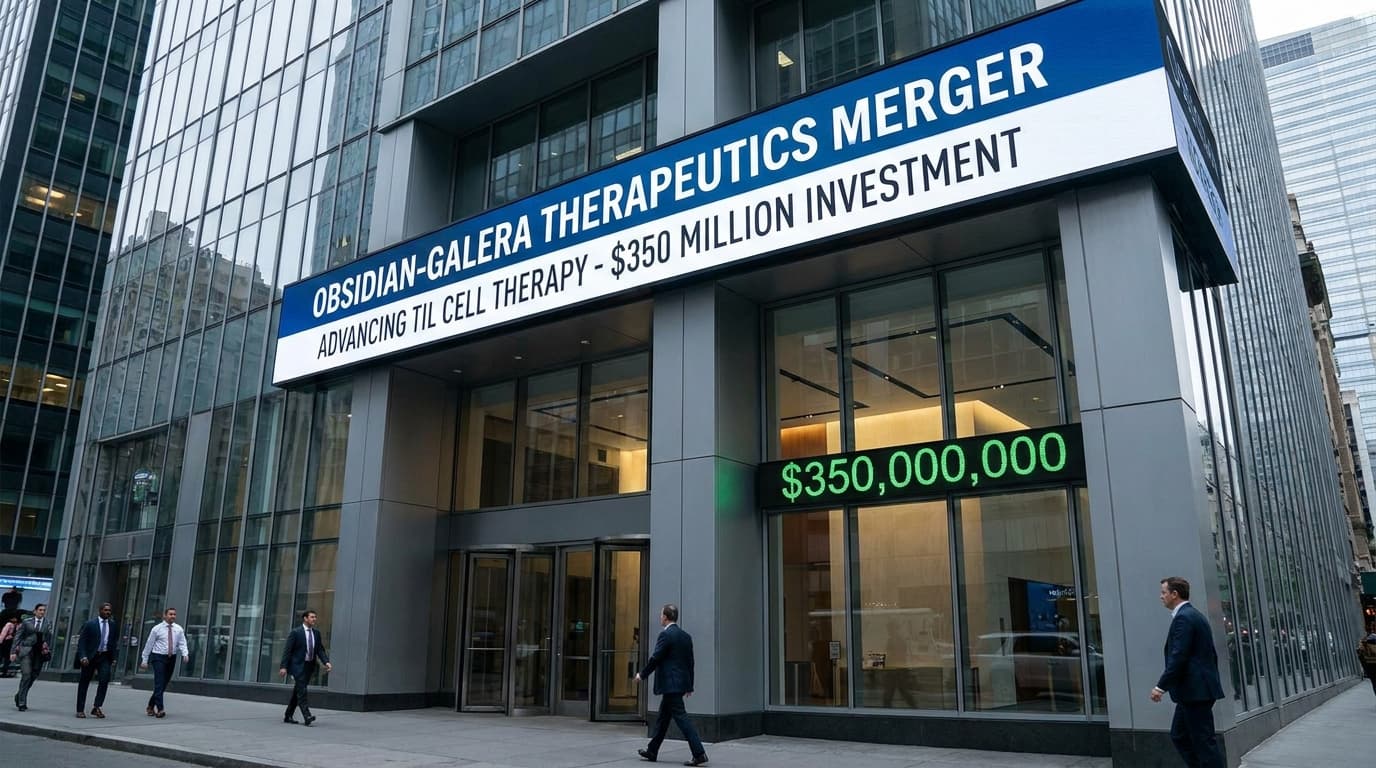
Obsidian and Galera Merger Brings $350 Million to Advance Innovative TIL Cell Therapy for Melanoma

In a strategic move set to bolster the development of tumor-infiltrating lymphocyte (TIL) therapies, Obsidian Therapeutics and Galera Therapeutics have merged, securing substantial financial backing. This merger is poised to accelerate clinical trials and development pipelines designed to improve cancer treatment options for melanoma patients worldwide.
The recent merger of Obsidian Therapeutics with Galera Therapeutics represents a critical milestone in the biotechnology sector, combining expertise and resources to advance the next generation of cancer immunotherapies. This merger, coupled with a $350 million infusion via a private placement, provides the newly combined entity with enhanced capacity to pursue aggressive clinical development of its TIL (tumor-infiltrating lymphocyte) therapy candidates.
Tumor-infiltrating lymphocyte therapies harness the body’s immune cells extracted from tumors, expanded ex vivo, and reinfused to attack cancer cells more effectively. Such therapies hold promise particularly in melanoma, a cancer type where immunotherapy has shown significant benefits.
Obsidian has been positioning itself to demonstrate that its TIL therapy offers clinical advantages over existing treatments, notably those from competitors like Iovance Biotherapeutics. The merger with Galera Therapeutics is expected to expedite this goal by facilitating access to public capital markets and providing the financial firepower necessary to support extensive clinical trials.
The combined pipeline merges Obsidian's cell therapy expertise with Galera’s portfolio, potentially broadening the range of indications and enhancing the immune system’s capacity to fight cancer through innovative mechanisms.
Financially, the infusion will support multiple clinical development stages and potentially shorten the timeline towards regulatory milestones. By going public via the merger, the new entity gains increased visibility among investors, which is vital for sustained funding and strategic partnerships.
In the competitive oncology market, where numerous companies are developing immune-based treatments, the Obsidian-Galera merger sets a strategic precedent. It highlights a trend of consolidation aimed at leveraging complementary technologies and resources to accelerate innovation and maximize impact.
Clinically, the emphasis remains on validating the superiority of the merged entity’s TIL therapy through robust trial data, aiming to improve response rates and durability of remission in melanoma patients. Success here could pave the way for expanded applications across other tumor types and improve long-term patient outcomes.
The merger also reflects broader investor confidence in cell therapy platforms, particularly those that address unmet medical needs in oncology with precision and durability.
While challenges such as manufacturing scalability, regulatory complexities, and patient recruitment persist, the amalgamation of Obsidian and Galera is a decisive step toward overcoming these hurdles.
Looking forward, keen observation of upcoming trial results and regulatory feedback will be essential to assess the merged company’s trajectory.
This merger thus encapsulates key dynamics shaping the future of cancer treatment—innovation driven by financial strategic decisions and cutting-edge science aiming to change the therapeutic landscape fundamentally.
Join the BioIntel newsletter
Get curated biotech intelligence across AI, industry, innovation, investment, medtech, and policy delivered to your inbox.