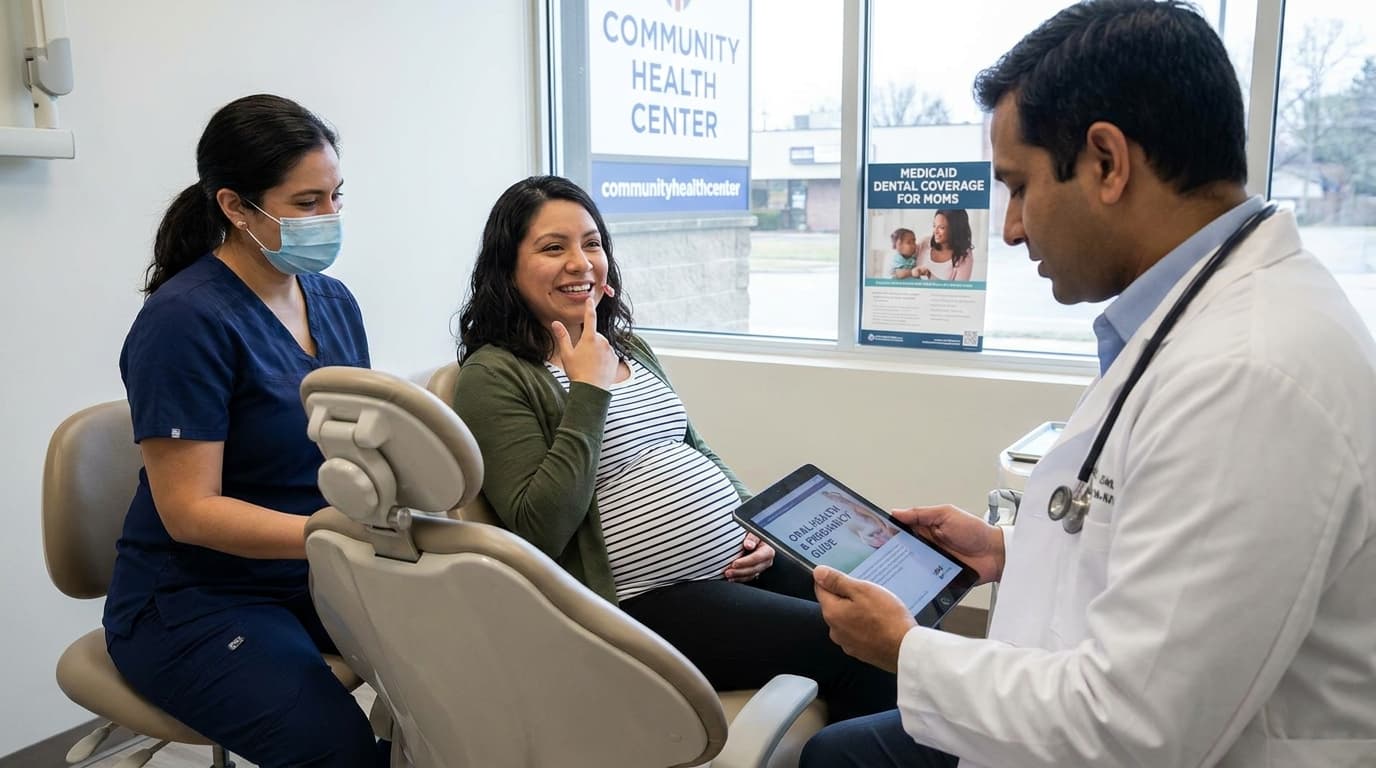
Why Oral Health Should Be a Priority for Ob-Gyns, States, and Health Plans

Oral health is increasingly recognized as intrinsic to overall health, especially in pregnant women. This article explores the compelling reasons why obstetricians and gynecologists, public health agencies, and insurance plans should intensify their focus on oral health to reduce pregnancy complications such as pre-eclampsia.
The intersection of oral health and systemic health has garnered heightened attention in recent years, revealing profound implications for various medical specialties and healthcare stakeholders. One area of acute importance is maternal health, where oral conditions play a foundational role in pregnancy outcomes. This article delves into why obstetricians and gynecologists (Ob-Gyns), governmental health entities, and health insurance plans have compelling reasons to prioritize oral health as part of comprehensive prenatal care.
Understanding the Link Between Oral Health and Pregnancy Pregnancy triggers a cascade of physiological changes, making pregnant women particularly vulnerable to periodontal diseases such as gum disease. Scientific studies increasingly support that poor oral health during pregnancy is not an isolated concern but has ramifications beyond the mouth.
One of the most pressing clinical concerns is pre-eclampsia, a hypertensive disorder characterized by high blood pressure and potential organ damage, which poses emergency risks to both mother and fetus. Research shows that pregnant women suffering from gum disease are 3 to 4 times more likely to develop pre-eclampsia, underscoring a direct and urgent need for integrated oral healthcare in obstetrics.
This heightened risk exemplifies how oral inflammation and systemic inflammation intersect, potentially triggering adverse pregnancy events. The inflammatory pathways activated by gum disease may exacerbate the body's immune response, contributing significantly to the development of pre-eclampsia.
Why Ob-Gyns Must Care Obstetricians and gynecologists are primary healthcare providers for pregnant women, placing them in a strategic position to influence both prenatal wellness and outcomes. Yet, oral health has often been an overlooked component within prenatal care practices.
Integrating routine oral health screening and referral processes as part of prenatal visits can enable early identification and management of gum diseases. This multidisciplinary approach ensures that dental care becomes a seamless aspect of maternal health support. Furthermore, educating patients about the importance of maintaining good oral hygiene during pregnancy can empower women to take preventive actions that reduce the risk of complications.
A shift in ob-gyn protocols to routinely evaluate oral health could lead to significant reductions in emergency conditions like pre-eclampsia, enhancing overall maternal and neonatal outcomes.
The Role of States and Public Health Policy State health departments and public health officials must acknowledge oral health as a critical social determinant of health that warrants investment and policy prioritization. By expanding Medicaid coverage to include comprehensive dental care for pregnant women and funding community oral health programs, states can directly impact public health outcomes.
Policies that support education campaigns aimed at raising awareness among pregnant women and healthcare providers about oral health risks will foster a preventative culture. In addition, states can encourage collaboration between dental providers and obstetric care teams to create integrated care models that promote holistic health management.
Enhancing oral health infrastructure and access in underserved areas will also reduce health disparities that often exacerbate pregnancy-related complications among vulnerable populations.
Insurance Plans and the Economic Imperative Health insurance companies have a financial stake in promoting comprehensive prenatal care that includes oral health. Claims data suggest that pregnancy complications such as pre-eclampsia contribute substantially to healthcare costs due to emergency interventions, extended hospital stays, and neonatal intensive care admissions.
By covering preventive dental services and periodontal treatments for pregnant women, insurers can potentially reduce costly complications downstream. Investment in preventive services aligns with value-based care models aiming to improve health outcomes while controlling expenditures.
Furthermore, insurance plans can drive innovation by supporting digital health tools that track oral health status and integrate findings with obstetric care data to enable proactive management strategies.
Barriers and Opportunities Despite clear evidence of the link between oral and pregnancy health, challenges remain. Some providers may lack adequate training on oral health's importance or embedment in prenatal care pathways. Fragmented healthcare systems can hinder interprofessional collaboration necessary for comprehensive patient management.
On the other hand, emerging health technologies, telehealth platforms, and integrated electronic health records present unprecedented opportunities to bridge gaps between dental and obstetric services.
Conclusion Oral health is no longer a peripheral concern but a central factor influencing pregnancy outcomes. Obstetricians, gynecologists, states, and insurance plans have a shared responsibility and vested interest in integrating oral health into maternal care paradigms. This holistic approach promises not only to safeguard the health of mothers and infants but also to optimize healthcare system efficiencies.
Expanding awareness, policy support, and coverage for dental care during pregnancy should be a public health priority moving forward.
Source: MedCity News
Join the BioIntel newsletter
Get curated biotech intelligence across AI, industry, innovation, investment, medtech, and policy delivered to your inbox.