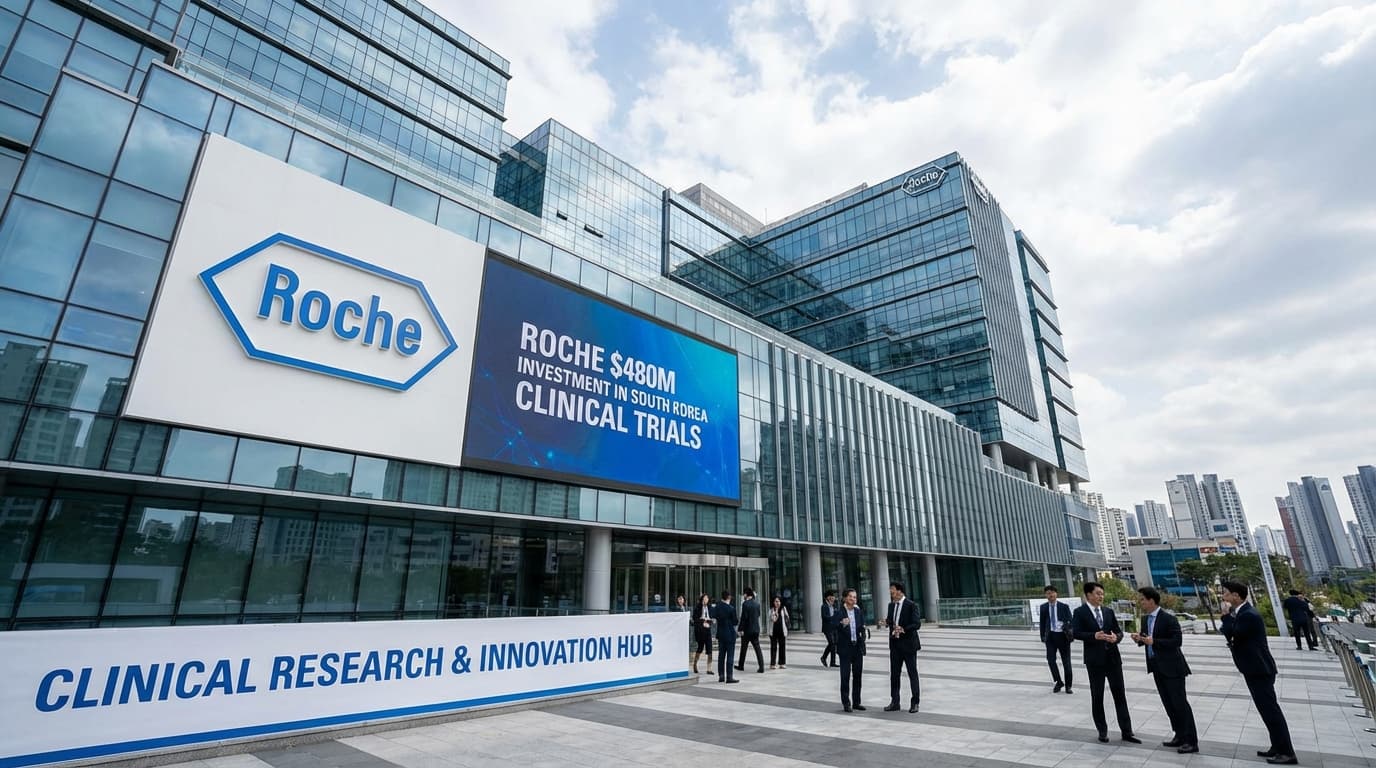
Pharmaceutical Innovation in Asia: Roche’s $480M Commitment Expands South Korea’s Clinical Trial Landscape

South Korea has become an increasingly attractive destination for pharmaceutical companies due to its expertise in cutting-edge therapeutic modalities. Roche’s recent pledge underscores this trend, fueling expanded clinical research and investment in the region’s biopharma ecosystem.
Roche, a global leader in pharmaceutical innovation and biotherapeutics, has announced a pledge exceeding $480 million to expand its clinical trial footprint in South Korea. This strategic move aligns with broader industry trends recognizing Asia, and specifically South Korea, as a pivotal hub for clinical development in emerging therapeutic areas such as antibody-drug conjugates (ADCs) and advanced cell and gene therapies.
South Korea has rapidly emerged as a competitive environment for pharmaceutical research and development, supported by robust infrastructure, regulatory facilitation, and a highly skilled clinical research workforce. The country’s reputation has been bolstered by its active participation and leadership in next-generation therapy development, reflecting a convergence of government incentives, industry partnerships, and academic collaborations.
Roche’s investment aims to leverage these favorable conditions to accelerate clinical trial initiation, patient recruitment, and regulatory approval processes. By deepening its presence in South Korea, Roche intends to integrate regional expertise into its global innovation pipeline, driving the development of novel therapies that address unmet medical needs in oncology and other therapeutic domains.
Antibody-drug conjugates represent a notable advancement in targeted cancer therapy, combining the specificity of monoclonal antibodies with potent cytotoxic agents to selectively eliminate tumor cells while minimizing systemic toxicity. Similarly, cell and gene therapies hold transformative potential for treating genetic disorders, cancers, and chronic diseases by modifying biological pathways at their root cause.
The South Korean biopharma ecosystem is characterized by a thriving community of biotechnology firms, clinical research organizations, and academic institutions engaged in pioneering these modalities. Roche’s pledge will likely facilitate knowledge exchange, technology transfer, and capacity building, enhancing clinical trial quality and patient outcomes.
Industry analysts from McKinsey highlight that investments such as Roche’s reflect a broader shift of pharmaceutical activity towards Asia as companies seek to diversify clinical trial populations, reduce costs, and expedite regulatory review through regional harmonization efforts.
For local stakeholders, this influx of capital and expertise presents significant opportunities for workforce development, infrastructure expansion, and commercial growth. It also positions South Korea as a strategic node within the global drug development network, attracting further investment and innovation.
As international biopharma companies increasingly acknowledge the strategic advantages of Asia’s clinical trial landscape, Roche’s substantial commitment exemplifies the ongoing globalization of drug development and the crucial role emerging markets play in shaping future medical breakthroughs.
For additional insights, the original report can be accessed here.
Join the BioIntel newsletter
Get curated biotech intelligence across AI, industry, innovation, investment, medtech, and policy delivered to your inbox.