 Mar 29, 2026
The recent commercialization agreement between Lilly and AI drug developer Insilico Medicine represents the growing impact of AI technologies in pharmaceutical research and development. With $115 million upfront and potential biobucks totaling approximately $2.75 billion, this partnership underscores the transformative role AI now plays in drug discovery and commercialization processes.
 Dr. Priya Nandakumar
 Mar 29, 2026
Health systems are increasingly leveraging AI technologies that predict risks with growing accuracy. However, meaningful improvements in preventive care delivery require combining these insights with deliberate human outreach and healthcare planning. This synergy is central to harnessing AI’s full potential to expand access.
 Michael Torres
 Mar 28, 2026
UnitedHealthcare’s introduction of Avery marks a step forward in integrating artificial intelligence to enhance patient experience. Avery combines advanced AI capabilities with live support to streamline healthcare management for users.
Michael Torres  Mar 25, 2026
The application of artificial intelligence in rural healthcare settings is helping bridge gaps in specialist availability. By integrating Eko Health’s AI-enabled digital stethoscope, Wayne General Hospital exemplifies how technology can improve early detection of heart disease in underserved areas.
 Daniel Cho
 Mar 23, 2026
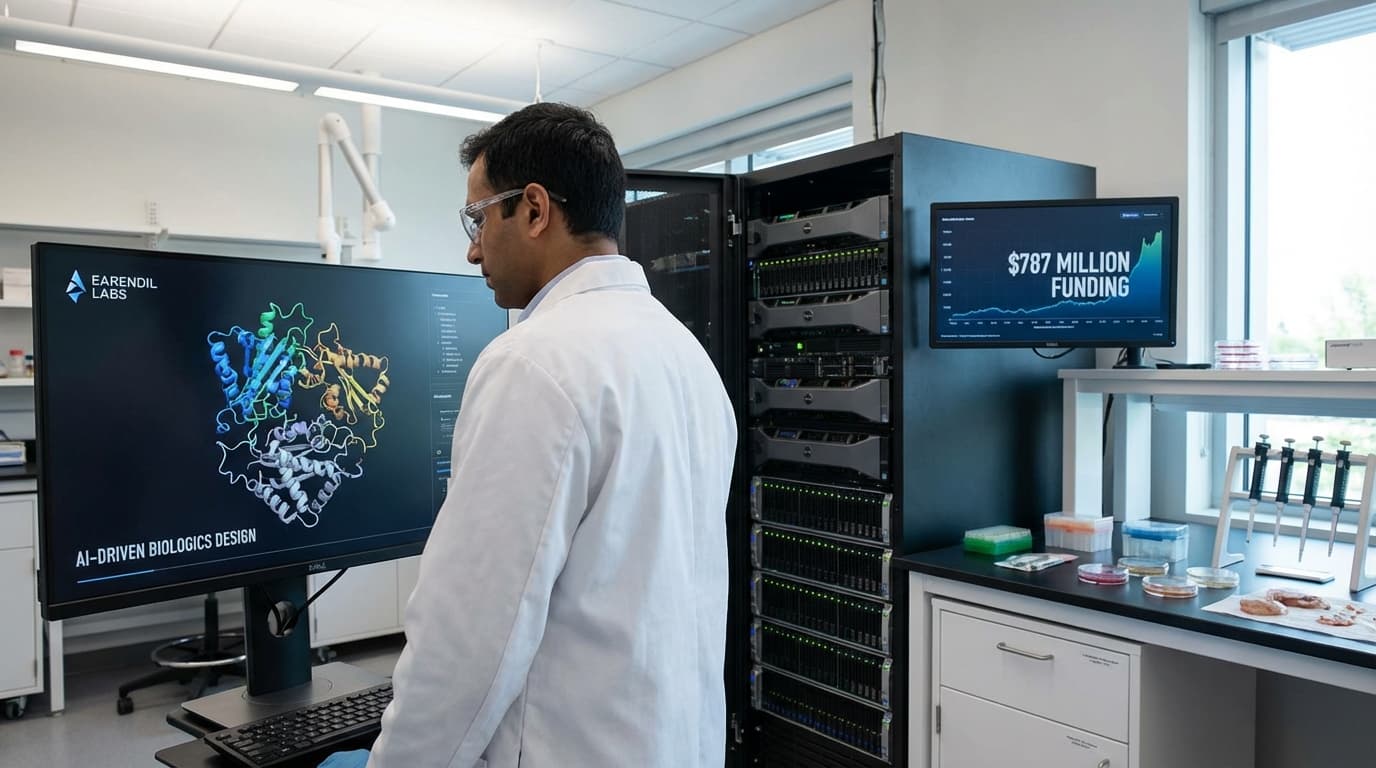
Earendil Labs has rapidly emerged as a frontrunner in AI-driven drug discovery platforms, having generated over 40 development programs. This latest investment, backed by industry leaders Sanofi and Pfizer, signifies strong confidence in AI’s transformative role in biopharmaceutical innovation.
 Emily Carter
 Mar 22, 2026
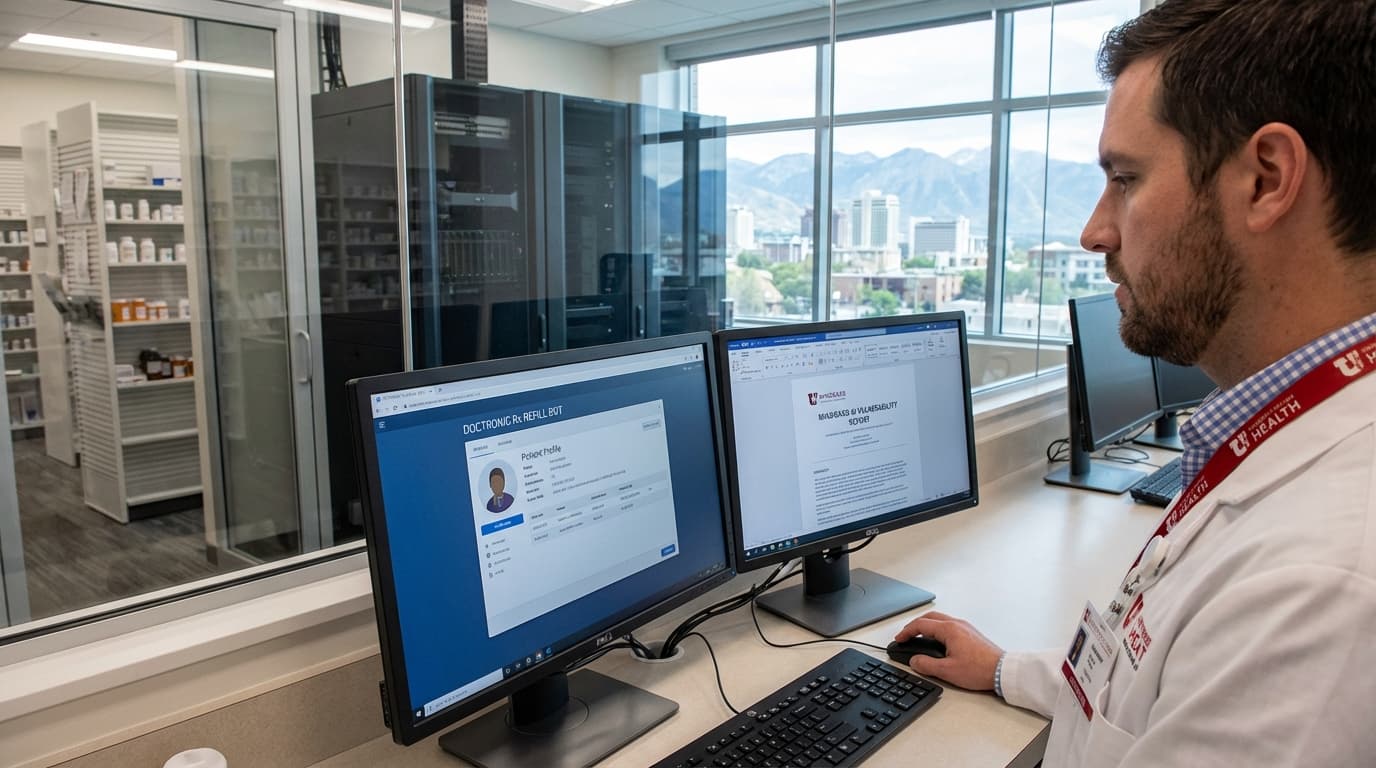
Utah’s innovative pilot program using an AI-powered system by Doctronic aims to streamline routine prescription refills to reduce delays and improve medication adherence. However, recent reports indicating vulnerabilities in the AI chatbot used reveal the broader complexities and risks that come with deploying AI systems in healthcare environments. This case study exemplifies the delicate balance between technological advancement and ensuring patient safety.
Michael Torres  Mar 21, 2026
Investing in healthcare AI requires a nuanced approach that addresses the complex dynamics of the industry. This article explores how venture capitalists make investment decisions with a focus on discerning the most promising healthcare AI companies.
Dr. Priya Nandakumar 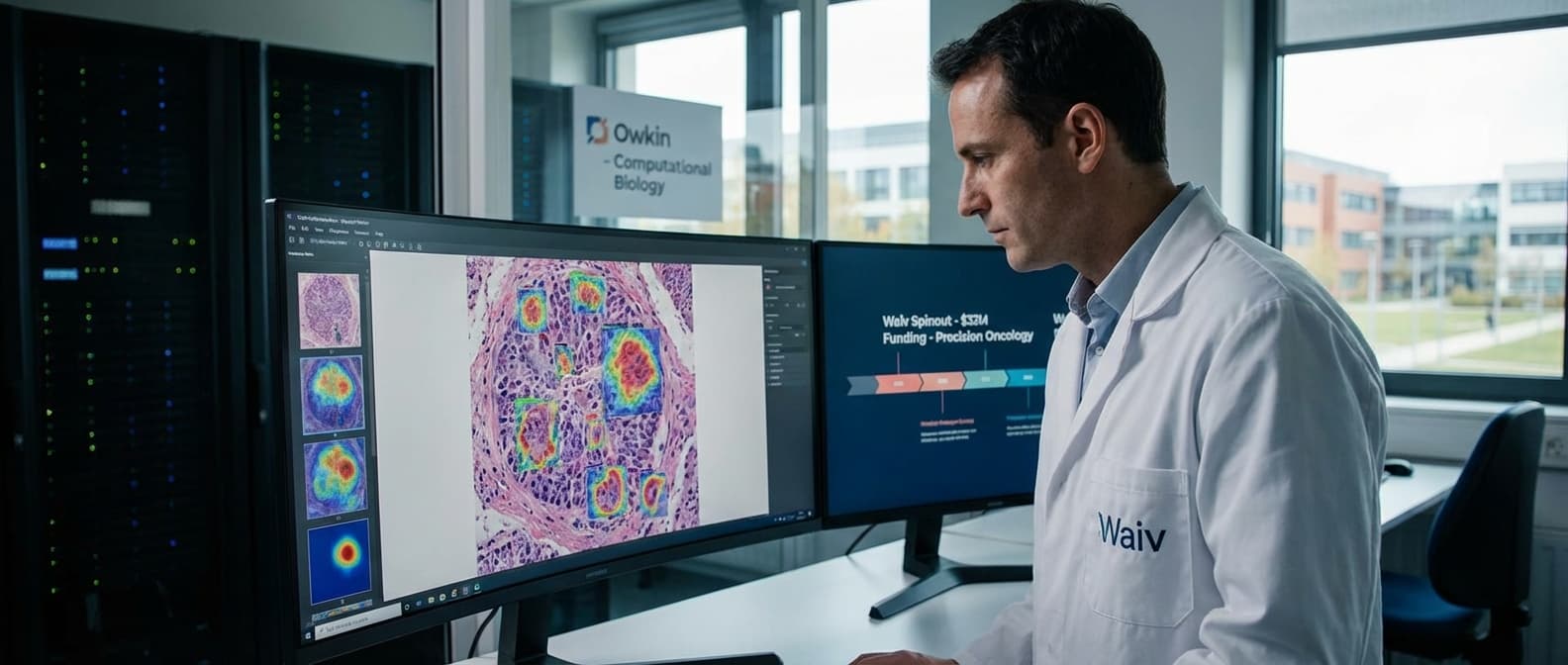 Mar 13, 2026
Waiv, which originated as the diagnostics division of AI-driven biotech company Owkin, has spun out as an independent entity with substantial new capital to propel its AI-based cancer diagnostic tools. This spinout will enable the company to focus more sharply on advancing precision medicine and clinical applications in oncology.
Dr. Priya Nandakumar 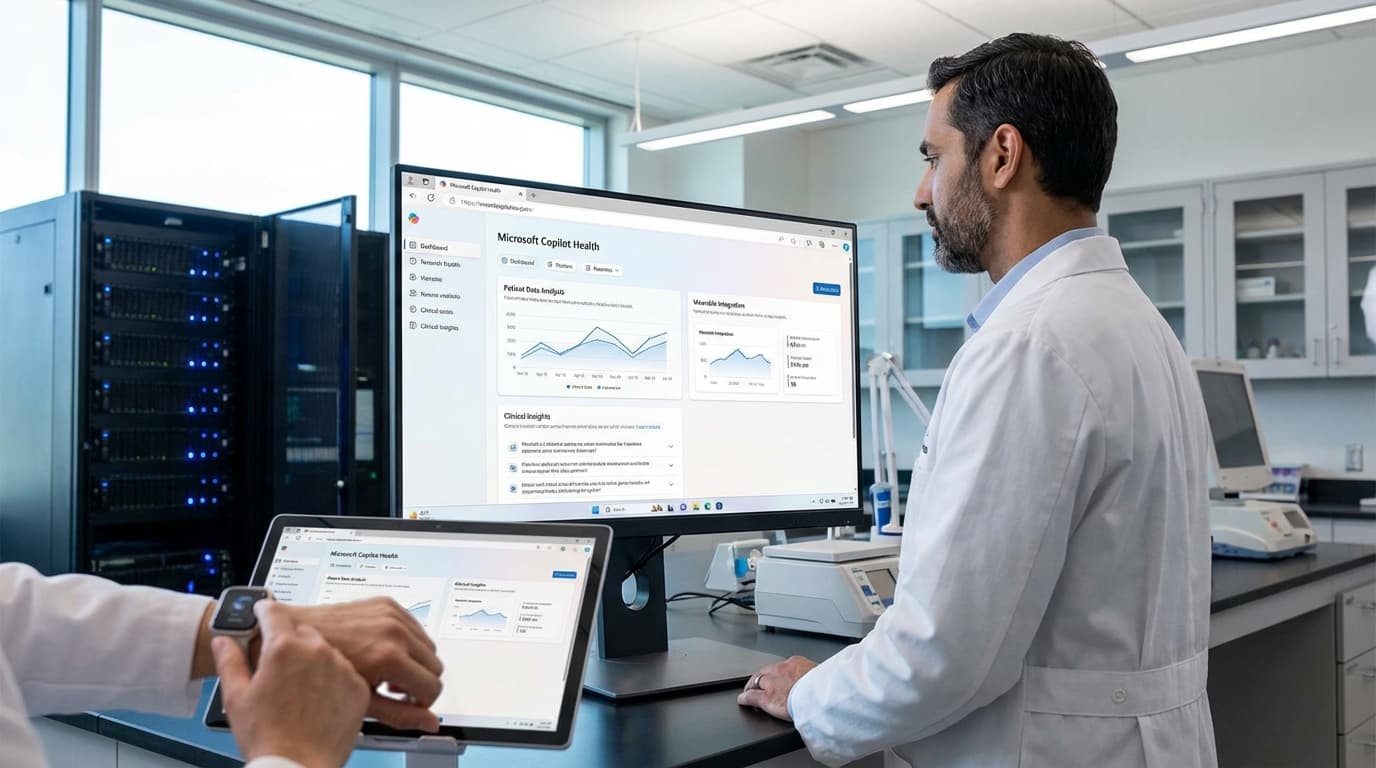 Mar 13, 2026
Amid a wave of technological advances, Microsoft has entered the healthcare AI chatbot space with Copilot Health. By aggregating diverse health data sources, the platform is positioned to support users with personalized medical insights, reflecting the expanding role of artificial intelligence in healthcare delivery.
Michael Torres  Mar 11, 2026
In an ambitious move to transform the scientific landscape, Radial aims to dismantle traditional barriers in research methodologies by leveraging AI technologies. Backed by substantial funding, this initiative seeks to usher in an era of accelerated discovery and enhanced reproducibility in science.
Michael Torres 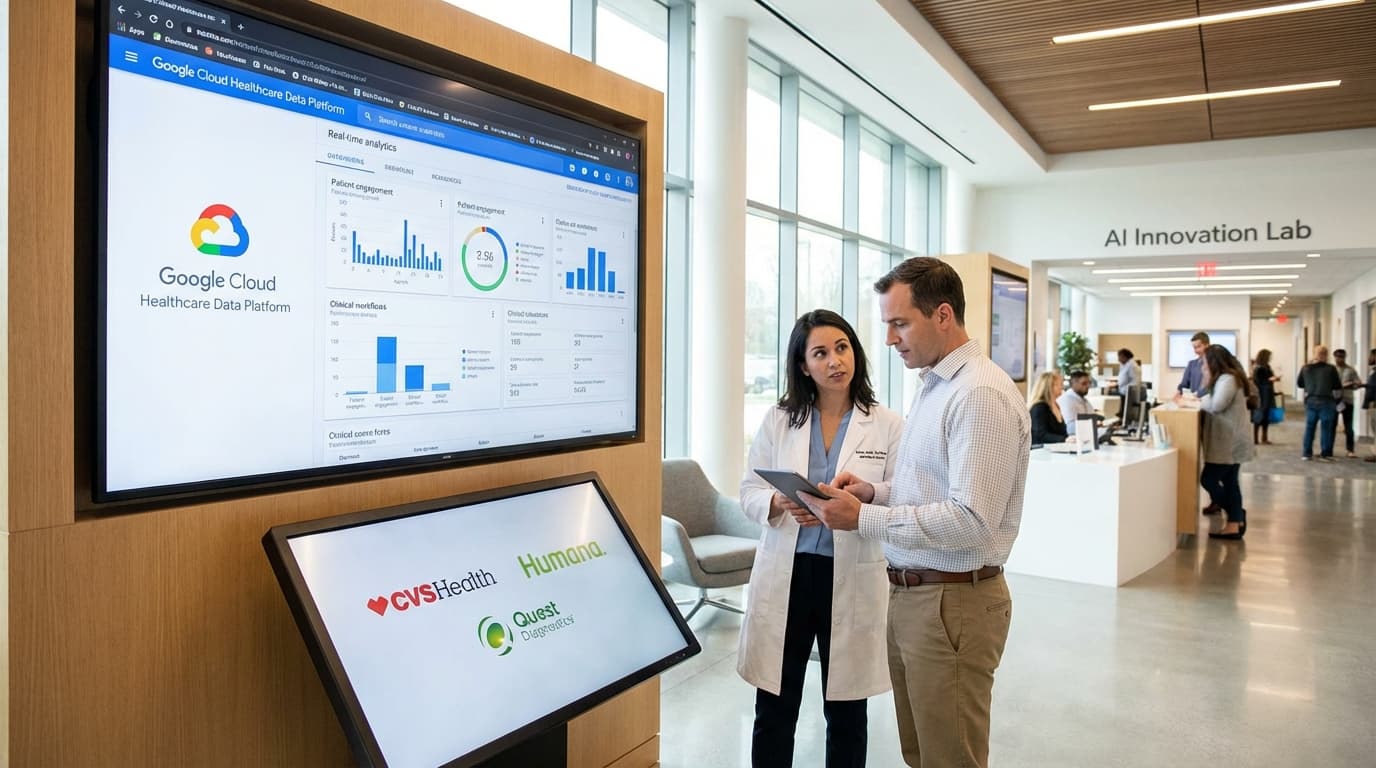 Mar 7, 2026
The partnership marks a significant step in integrating agentic AI models into healthcare operations, promising improvements in efficiency, patient care, and financial processes across key industry players.
Dr. Priya Nandakumar  Mar 6, 2026
A new trend is emerging in healthcare artificial intelligence startups that ties their pricing to the real-world value they deliver, such as completed clinical tasks or patient outcome improvements. Despite investor enthusiasm for this outcome-driven approach, hospital systems largely favor predictable, fixed pricing models. This post analyzes the dynamics of these innovative pricing strategies, hospital reactions, and implications for the future of AI adoption in healthcare.
Daniel Cho 