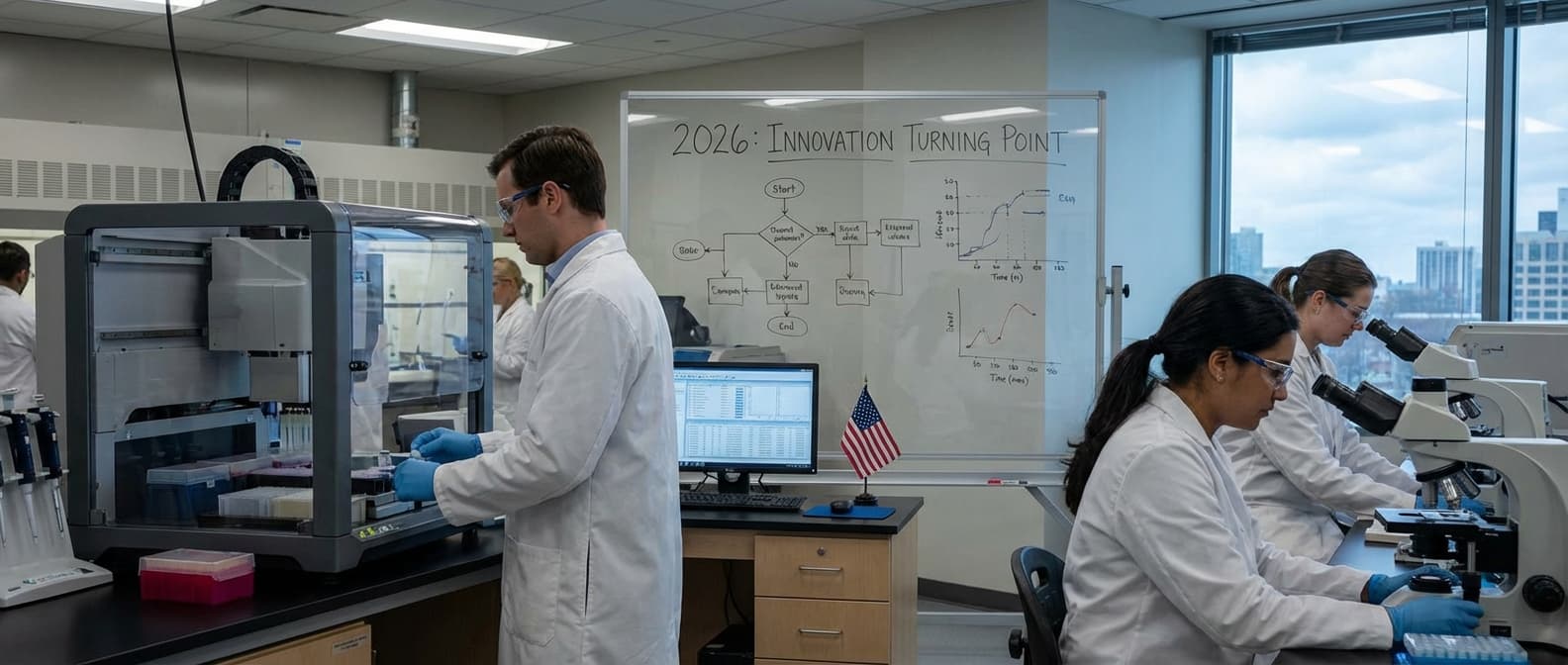
2026 Could Mark a Turning Point for American Innovation

Despite longstanding dominance in biotech innovation, the United States faces risks that could alter its pioneering status. This analysis explores the factors influencing this pivotal period in American innovation and the potential implications for the biotech sector.
The biotechnology sector has long been one of the most dynamic and impactful industries in the United States, contributing to medical advances, economic growth, and global health improvement. However, as 2026 unfolds, concerns are mounting about whether the U.S. can maintain its leading edge in biotech innovation given prevailing political tensions and policy uncertainties. This article delves deeply into what could be a turning point for American innovation in this critical field.
The Context of American Biotech Leadership
American biotech innovation has historically thrived due to a combination of factors including strong academic research institutions, significant venture capital investment, a robust regulatory environment that supports innovation, and a culture that encourages entrepreneurial risk-taking. These elements have enabled the U.S. to develop revolutionary therapies, cutting-edge diagnostics, and novel technologies that have transformed healthcare worldwide.
Emerging Political Challenges
Currently, there are growing political challenges that cast uncertainty on this landscape. Shifts in policy priorities, debates over funding for scientific research, intellectual property rights, and regulatory pathways are influencing industry dynamics. Some observers note that the political climate is becoming less conducive to sustained innovation, raising concerns about potential talent drain and reduced investments.
Potential Risks to Innovation
Among the risks discussed is the possibility that the U.S. might lose its long-held leadership to other global regions investing heavily in life sciences and biotech infrastructure. Countries in Europe, Asia, and other parts of the world are positioning themselves aggressively by fostering collaborative ecosystems, attracting capital, and modernizing regulatory frameworks.
Moreover, prolonged political instability can affect policymaking processes that are crucial to sustaining innovation. Regulatory unpredictability may discourage startups and established companies from pursuing high-risk, high-reward projects.
The Role of Public and Private Sectors
Both public and private sectors have roles to play in navigating this turning point. The government can ensure stable support and clear regulations to foster innovation, while industry stakeholders must innovate not only scientifically but also strategically, building partnerships and seeking global collaborations.
Implications for the Future
The decision points in 2026 will have long-term implications for access to cutting-edge treatments, economic competitiveness, job creation, and the U.S.'s role in setting global biotech standards. Stakeholders must carefully assess the current trajectory and collectively work toward preserving and enhancing American leadership in biotech innovation.
For precise and comprehensive perspectives on this critical issue, further reading is encouraged through the detailed analysis available at BioSpace.
Join the BioIntel newsletter
Get curated biotech intelligence across AI, industry, innovation, investment, medtech, and policy delivered to your inbox.