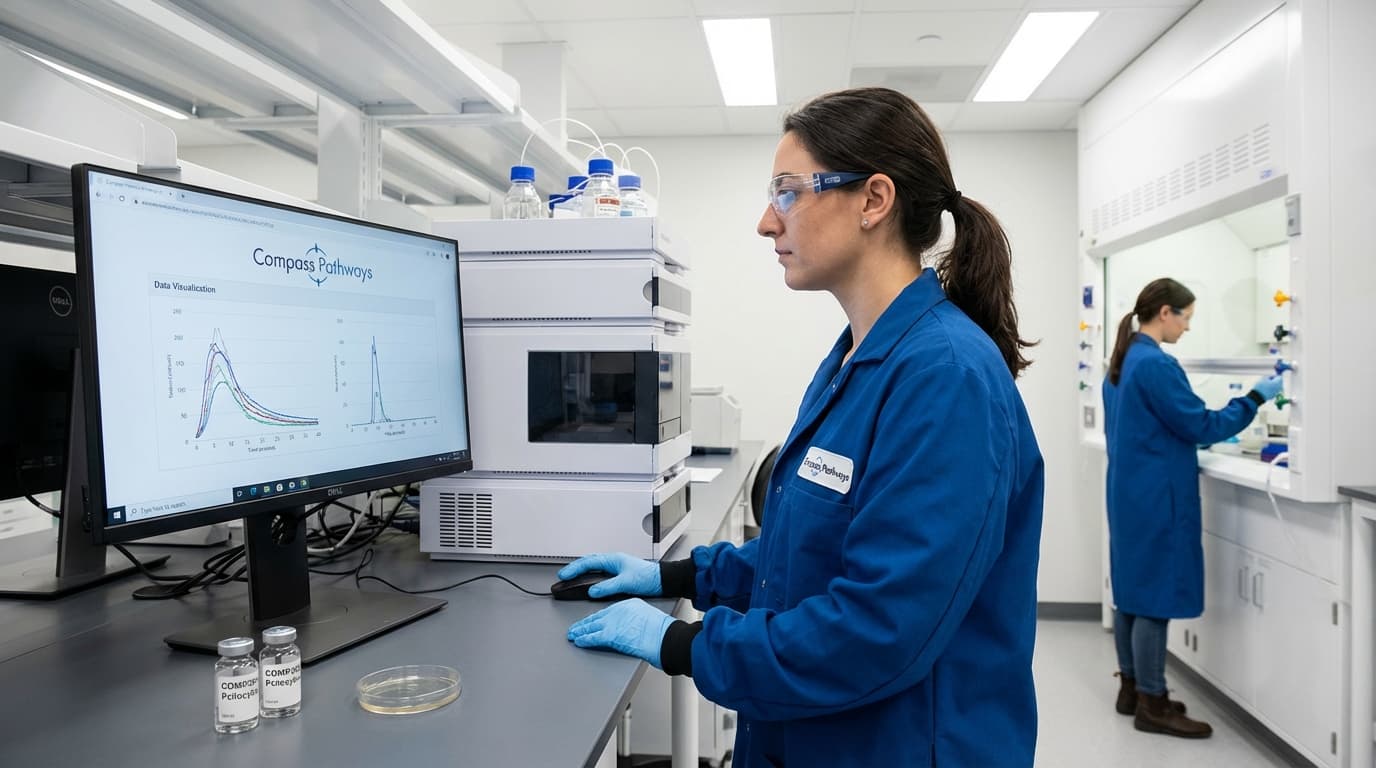
Compass Pathways’ Psilocybin-Based Medicine Shows Promise for Severe Depression

Recent clinical results from Compass Pathways suggest that psilocybin-based medicines might soon gain regulatory approval for treating severe depression. These pioneering trials mark a hopeful step towards integrating psychedelic compounds into mainstream mental health care.
The therapeutic landscape for severe depression is on the brink of transformation, driven by innovative approaches such as psilocybin-based medicines. Compass Pathways, a pioneering biotech company, has recently announced compelling data from two trials evaluating COMP360, its synthetic psilocybin therapy. These findings could represent a turning point in how treatment-resistant depression is managed and could set a precedent for regulatory approval of psychedelic drugs.
Depression remains one of the most challenging mental health disorders globally, with many patients not responding adequately to conventional antidepressants. The emergence of psilocybin, a compound derived from psychedelic mushrooms, as a potential treatment offers fresh hope based on its unique mechanism of action and promising efficacy.
Compass Pathways’ clinical trials focused on patients with severe depression who had limited success with existing therapies. The trials aimed to evaluate the safety, tolerability, and efficacy of COMP360, with results indicating significant improvement in depressive symptoms. The trials employed rigorous methodologies, including randomized controlled designs, to ensure data reliability.
One of the most striking aspects of these results is the durability of symptom relief, with many participants experiencing sustained benefits weeks to months after treatment. This contrasts with traditional antidepressants, which often require chronic daily administration and may have delayed onset of effect.
From a regulatory perspective, the data appear promising enough to support potential approval. The FDA and other global agencies have shown increasing openness to novel psychiatric therapies, particularly when backed by robust clinical evidence. COMP360's advancement could herald a new class of mental health treatments, integrating psychedelic-assisted therapy with conventional care pathways.
The implications for patients are profound. Access to effective new therapies could reduce the burden of severe depression, decrease societal costs associated with chronic mental illness, and improve quality of life for millions. Moreover, successful approval and commercialization of COMP360 may stimulate further research into psychedelics and other novel neuropharmaceuticals.
However, questions remain around optimal dosing, treatment protocols, and integration into existing healthcare infrastructures. Ensuring safe administration and managing public expectations will be critical as this next generation of therapies moves closer to market.
In summary, Compass Pathways’ psilocybin drug COMP360 is pioneering a new frontier in depression treatment with encouraging trial results. As this therapy advances toward regulatory review, it symbolizes the evolution of mental health care toward more innovative, effective, and patient-centered solutions.
For additional insights and updates on this emerging field, see the full article at Stat News.
Join the BioIntel newsletter
Get curated biotech intelligence across AI, industry, innovation, investment, medtech, and policy delivered to your inbox.