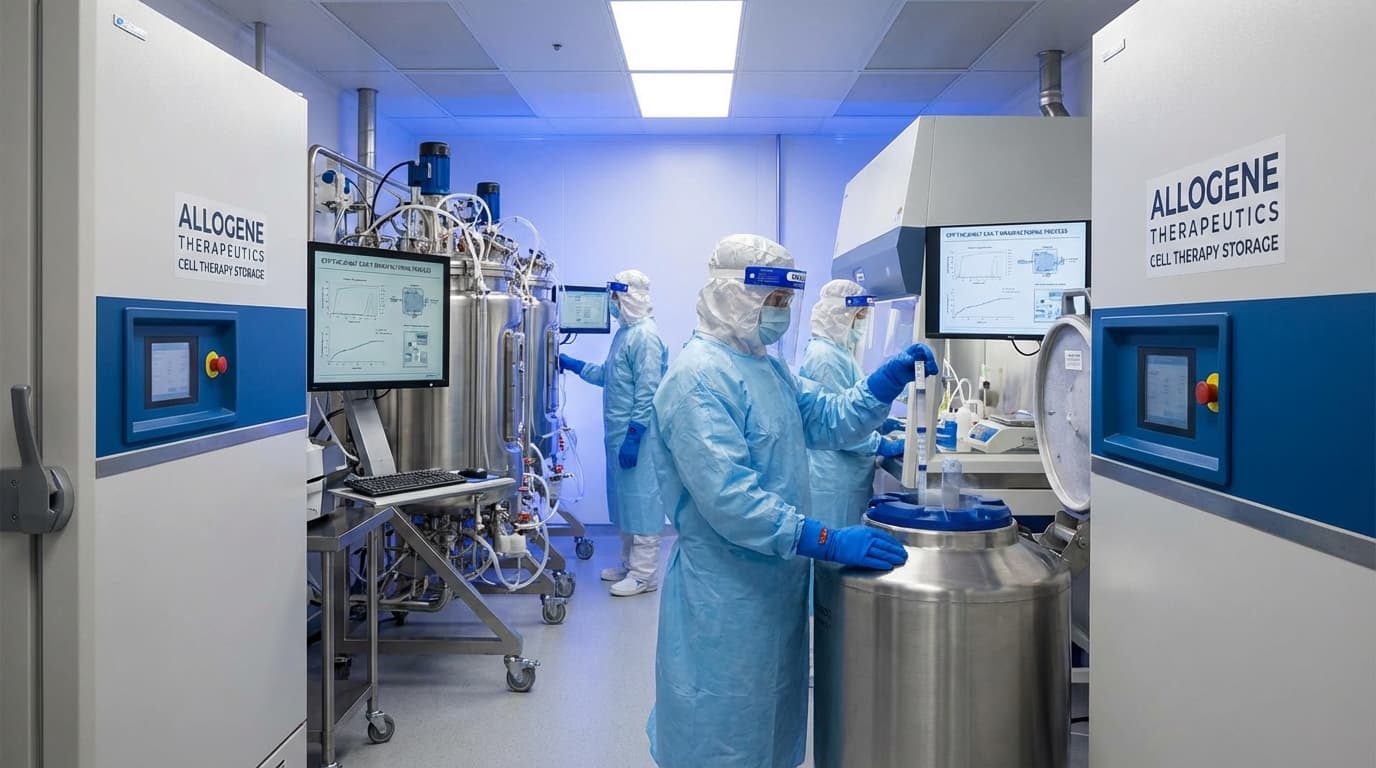
Allogene’s Off-the-Shelf CAR-T Advances Signal New Horizons in Cell Therapy Manufacturing

The early clinical data from Allogene's allogeneic CAR-T therapy, combined with ongoing advancements in cryopreservation and manufacturing resilience, highlight a transformative moment in cell therapy. Alongside industry players like Eli Lilly and Merck, whose strategic acquisitions complement this movement, off-the-shelf CAR-T therapies could reshape treatment paradigms for cancers like lymphoma, offering scalable and accessible options. This development invites a thorough examination of manufacturing innovations and competitive positioning in this vibrant sector.
In recent months, Allogene Therapeutics has attracted significant attention in the biopharmaceutical sector with its clinical advancements in off-the-shelf chimeric antigen receptor T-cell (CAR-T) therapy. As the company approaches an early but pivotal study readout, the implications for cancer treatment, manufacturing innovation, and industry competition are profound.
Understanding Off-the-Shelf CAR-T Therapy
Conventional CAR-T therapies have revolutionized cancer treatment by genetically engineering patients’ own T cells to attack tumors. However, autologous CAR-T approaches face challenges including lengthy manufacturing times, variability in patient cell quality, and high costs.
Allogene is pioneering an allogeneic, or off-the-shelf, CAR-T product that uses donor-derived T cells manufactured at scale and stored for immediate delivery. This approach aims to overcome these logistical hurdles, enabling broader patient access and streamlined manufacture.
Clinical Readout Importance
The upcoming preliminary data from Allogene’s clinical trial, focused on lymphoma treatment, is highly anticipated. Positive results could vindicate years of investment and innovation, supporting the efficacy and safety of off-the-shelf CAR-T modalities. A successful trial would not only validate Allogene’s scientific premise but also reinforce the company’s position within an increasingly competitive cell therapy market.
Manufacturing Resilience in Cell and Gene Therapies
Parallel to clinical progress, manufacturing considerations are critical. A recent industry analysis stresses that cryopreservation — the freezing and storage of cell products — must evolve from a one-time validated step into a continuous element underpinning product consistency and potency across manufacturing networks. With cell therapies growing more complex and production footprints expanding globally, resilience in manufacturing processes is paramount.
Allogene's ability to maintain robust cryopreservation practices directly affects product stability, potency, and ultimately patient outcomes. Incorporating advanced quality infrastructure and real-time process monitoring into manufacturing workflows is essential to meet regulatory expectations and commercial demand.
Industry Context: Eli Lilly and Merck Moves
Strategic acquisitions and collaborations are shaping the competitive landscape. Eli Lilly's focus on deal-making and Merck's $6.7 billion acquisition of Terns Pharmaceuticals — whose lead candidate targets chronic myeloid leukemia — represent concerted efforts to build robust oncology and cell therapy portfolios.
These industry maneuvers reflect an understanding that growth and innovation in cell and gene therapy necessitate extensive resources and diversified pipelines. Companies like Eli Lilly and Merck are bolstering their capabilities to compete with specialist biotech firms like Allogene and others driving CAR-T technology forward.
Challenges and Opportunities
Despite promising developments, off-the-shelf CAR-T therapies face hurdles including immune rejection risks, manufacturing scalability, and regulatory scrutiny. Advancements in gene editing and immune evasion technologies are key to overcoming such barriers.
Moreover, integrating patient-centric approaches and ensuring equitable access throughout the healthcare ecosystem remain priorities.
Conclusion
Allogene Therapeutics' off-the-shelf CAR-T program is well-positioned to advance the frontier of cancer immunotherapy. This progress, coupled with manufacturing innovations and strategic industry partnerships, heralds a new era for cell and gene therapies. As clinical data emerges, stakeholders will closely watch how these developments translate into effective, accessible treatments that reshape the oncology treatment landscape.
Source: STAT News
Join the BioIntel newsletter
Get curated biotech intelligence across AI, industry, innovation, investment, medtech, and policy delivered to your inbox.