Pioneering Trial for In Utero Gene Therapy Nears FDA Approval

In utero gene therapy represents a novel frontier in genetic disease treatment, aiming to intervene at the earliest possible stage to prevent postnatal disease progression. The upcoming small-scale trial could pave the way for transformative approaches in precision medicine for rare genetic conditions.
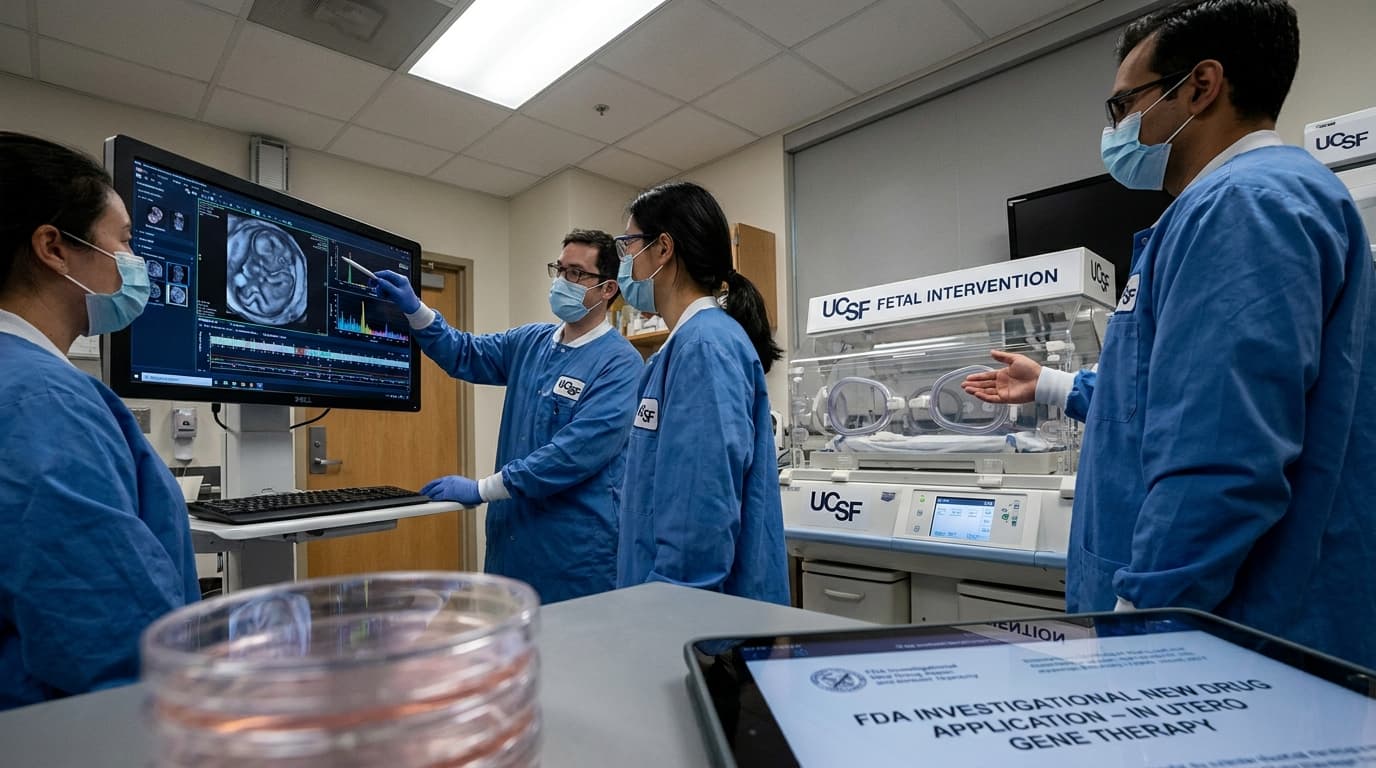
The field of gene therapy has witnessed remarkable advances over the past decades, with treatments designed to correct genetic mutations after birth gaining approvals for several conditions. However, a new paradigm is emerging—therapy administered before birth, or in utero, aiming to intervene even earlier to prevent irreversible damage in genetic diseases. A team at the University of California, San Francisco (UCSF) has recently submitted an application to the U.S. Food and Drug Administration (FDA) seeking approval to conduct a small clinical trial testing an in utero gene therapy for a rare lysosomal storage disorder.
Lysosomal storage disorders (LSDs) constitute a group of inherited metabolic diseases characterized by the accumulation of toxic substances inside lysosomes due to enzyme deficiencies. These diseases often manifest early in life with progressive, debilitating symptoms, and currently available treatments are limited. By targeting the fetus before birth, the UCSF trial aims to deliver the therapeutic gene directly, potentially correcting or mitigating the disease effects before significant damage occurs.
This proposed trial marks a pioneering step in prenatal genetic medicine. It builds upon extensive preclinical research demonstrating safety and efficacy in animal models. The premise is that early intervention can alter disease trajectory with potentially lifelong benefits, offering hope to families affected by these rare conditions.
The FDA application process involves rigorous evaluation of the safety profile, delivery methods, and ethical considerations inherent in fetal therapy. If approved, the trial will enroll a small number of patients diagnosed prenatally, employing gene delivery techniques such as viral vectors designed to integrate or express the missing enzyme gene in fetal tissues.
The broader implications for this innovation are significant. Success in in utero gene therapy could open new avenues for treating various genetic diseases diagnosed during pregnancy. It also raises important questions surrounding clinical trial design, long-term follow-up, and regulatory pathways.
While the scientific community watches closely, this development underscores the accelerating convergence of genetics, molecular biology, and clinical medicine. It exemplifies a shift toward intervention at the earliest developmental stages, with the ultimate goal of preventing disease rather than managing symptoms postnatally.
As the UCSF team awaits FDA feedback, stakeholders in biotechnology, regulatory affairs, and patient advocacy groups anticipate the outcomes that could chart the course for future therapies in prenatal genetic medicine.
This development was reported by STAT News on May 20, 2026 (source: https://www.statnews.com/2026/05/20/tippi-mackenzie-in-utero-gene-therapy-nears-first-fda-trial/?utm_campaign=rss).
Join the BioIntel newsletter
Get curated biotech intelligence across AI, industry, innovation, investment, medtech, and policy delivered to your inbox.