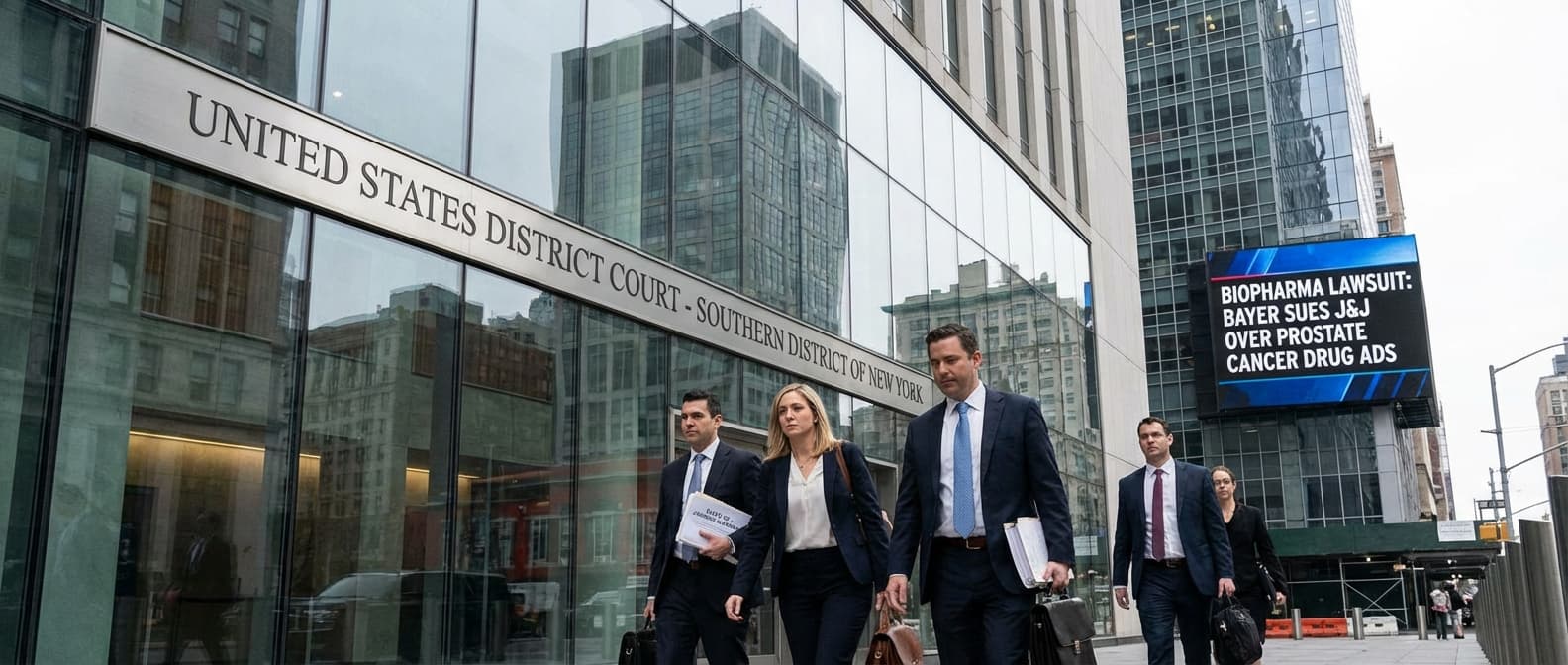
Bayer Files Lawsuit Against Johnson & Johnson Over Prostate Cancer Treatment Advertising Claims

The lawsuit centers on allegations that Johnson & Johnson promoted its prostate cancer drug using flawed data, misrepresenting its effectiveness compared to Bayer’s competing treatments. This case highlights the intense competitive dynamics and the critical importance of accurate data in pharmaceutical marketing.
In the competitive arena of prostate cancer therapeutics, Bayer has taken a bold step by suing Johnson & Johnson, accusing the company of engaging in a false advertising campaign that misleads healthcare providers and patients regarding the efficacy of its prostate cancer drug.
The lawsuit alleges that Johnson & Johnson based its promotional efforts on flawed and inaccurate data, purportedly exaggerating the effectiveness of its drug to gain an unfair competitive advantage over Bayer’s treatment options. This legal action underscores the intense rivalry in the oncology pharmaceutical segment, where innovations and efficacy claims significantly impact market share and patient preference.
Prostate cancer remains one of the most diagnosed cancers among men worldwide, and the development of effective treatment options continues to be a major focus for pharmaceutical companies. Accurate communication about drug efficacy is paramount, as treatment decisions can profoundly affect patient outcomes and quality of life.
Within this context, advertising claims backed by rigorous, reliable clinical data are essential to maintaining trust among clinicians and patients alike. Allegations of false advertising not only raise ethical and legal concerns but also have the potential to disrupt market dynamics and patient access to optimal therapies.
The lawsuit brought forth by Bayer is likely to initiate a scrutiny of promotional practices in the pharmaceutical industry, particularly regarding how drugs in competitive therapeutic areas are marketed and communicated to healthcare stakeholders. Legal battles of this nature emphasize the growing demand for transparency and accountability in pharma marketing.
For patients and healthcare providers, the resolution of such disputes is important to ensure that treatment decisions are informed by accurate and evidence-based information, which ultimately supports better clinical care and outcomes.
This case also reflects broader challenges faced by the pharmaceutical industry in balancing competitive business strategies with ethical responsibilities in patient communications.
Further developments on this lawsuit will be closely monitored by industry analysts, legal experts, and healthcare professionals, as the implications may extend beyond the immediate companies involved to influence overall industry practices.
For the complete story and ongoing updates, refer to the original article: STAT News.
Join the BioIntel newsletter
Get curated biotech intelligence across AI, industry, innovation, investment, medtech, and policy delivered to your inbox.