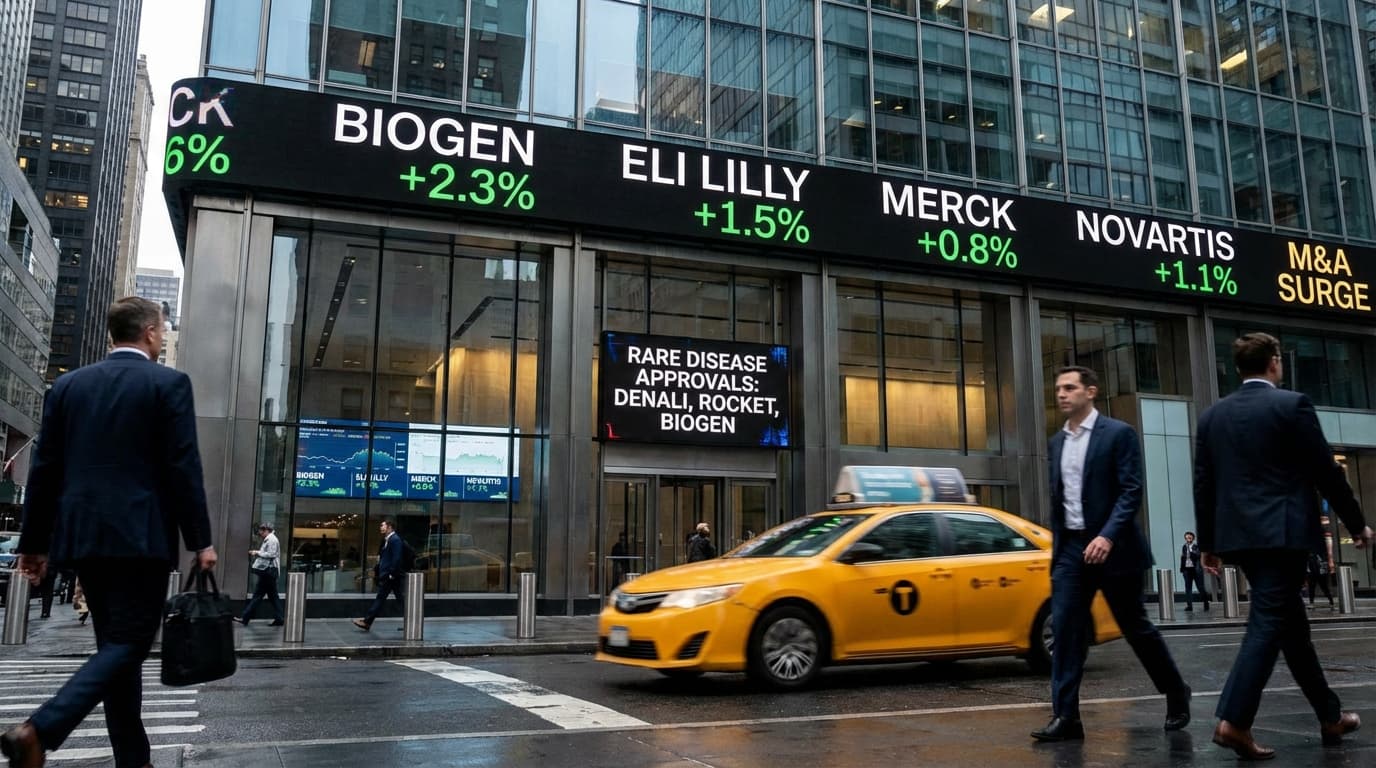
Biopharma M&A Heats Up with Rare Diseases Securing Three Approvals Amid Market Challenges

The first quarter of 2026 marked a significant uptick in M&A activity with industry giants such as Biogen, Eli Lilly, Merck, and Novartis investing over $20 billion in biotechs with promising or approved therapeutics. Concurrently, advancements in rare disease treatments have been underscored by approvals for therapies developed by Denali Therapeutics, Rocket Pharmaceuticals, and Biogen. Despite this optimism, certain biopharma stocks, including Wave’s RNA-based obesity treatment, faced strong negative investor reactions leading to sharp stock declines.
The first quarter of 2026 has been a pivotal period for the biopharmaceutical industry, demonstrating robust merger and acquisition activity coupled with significant advancements in rare disease therapeutics. Leading pharmaceutical companies, notably Biogen, Eli Lilly, Merck, and Novartis, collectively invested over $20 billion to absorb biotechnology companies that offer promising drug candidates or have secured regulatory approvals. This wave of acquisitions reflects the growing emphasis on innovative therapies and the strategic realignment of big pharma portfolios towards high-value, specialized medicines.
The rare disease sector, often considered underserved, made remarkable progress during this period. Therapies developed by Denali Therapeutics, Rocket Pharmaceuticals, and Biogen secured approval, signaling a critical advancement in addressing the needs of patients with debilitating and orphan conditions. These approvals not only offer hope to affected populations but also represent lucrative opportunities within a market niche characterized by high unmet medical necessity.
Despite these optimistic developments, the biopharma market landscape showed signs of volatility. One such example is Wave, a biotech company specializing in RNA-based therapeutics targeting obesity. Following the failure of its obesity candidate to meet investor expectations, Wave experienced a striking loss of nearly half its market value. This event highlights the high-risk nature of biotech investments, where clinical trial outcomes and investor sentiment can dramatically influence company valuations.
The influx of capital from established pharmaceutical players into biotechs underscores a broader industry trend towards consolidation and strategic expansion into novel therapeutic areas. M&As are increasingly seen as a means to accelerate drug development timelines, augment pipeline diversity, and strengthen competitive advantage in a landscape marked by rapid scientific advances and intense market competition.
Conversely, the market reaction to setbacks such as Wave’s illustrates the persistent challenges faced by the sector, including clinical trial risks, regulatory hurdles, and shifting investor confidence. These dynamics necessitate a balanced assessment of opportunities and risks when navigating the evolving biopharma environment.
Looking ahead, the momentum established through these mergers and acquisitions, coupled with successful drug approvals in rare diseases, is expected to drive sustained innovation and growth within the biopharmaceutical industry. Continuous monitoring of market developments, regulatory changes, and clinical progress will be essential for stakeholders aiming to capitalize on emerging opportunities while mitigating inherent risks.
This analysis is based on recent reporting from BioSpace, shedding light on the financial maneuvers, clinical milestones, and market responses shaping the current biopharma landscape. For in-depth information, see the original report at Biopharma M&A Heats Up, Rare Diseases Win Three Approvals, Wave Crashes.
Join the BioIntel newsletter
Get curated biotech intelligence across AI, industry, innovation, investment, medtech, and policy delivered to your inbox.