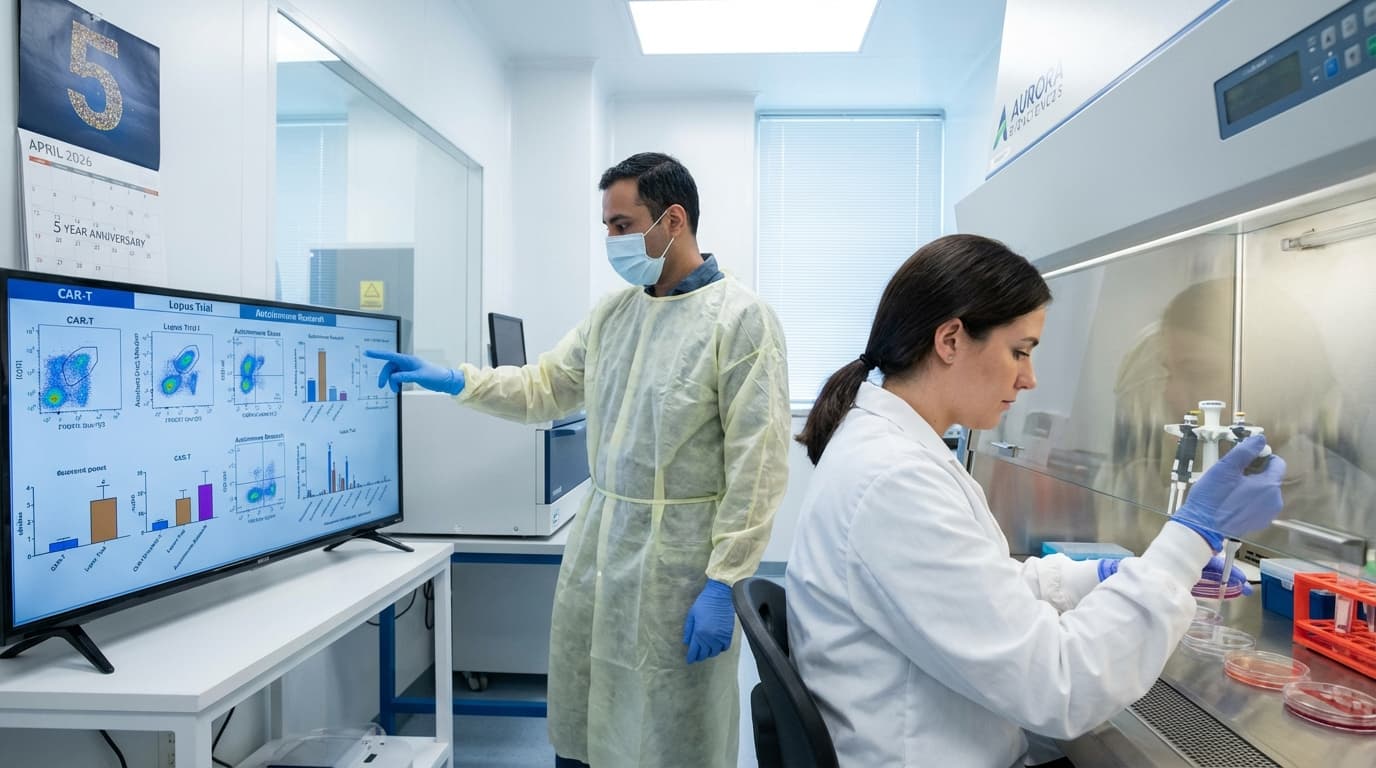
Five Years After Lupus Breakthrough, CAR-T Therapy Continues to Advance Autoimmune Research

Innovations in CAR-T therapy initially heralded as transformative for lupus continue to gain momentum, demonstrating effectiveness across a spectrum of autoimmune diseases. This development has stirred considerable experimentation and investment from both academic and private sectors eager to harness the immunotherapeutic potential against chronic autoimmunity.
Background
Chimeric antigen receptor T-cell therapy (CAR-T) has taken center stage in immunotherapy, most notably for certain cancers. However, its application in autoimmune diseases, particularly lupus, marked a pivotal shift towards using targeted cellular therapies to modulate immune dysregulation. Five years after seminal clinical advances in lupus, CAR-T is increasingly recognized for its ability to induce durable remissions in systemic autoimmune conditions.
Current Developments
Researchers report accumulating evidence of CAR-T efficacy beyond oncology, with expanded trials demonstrating remission in conditions like lupus, multiple sclerosis, and rheumatoid arthritis. Key mechanisms include selective depletion of autoreactive immune cells and rebalancing of immune tolerance pathways. The growing pipeline includes diverse CAR constructs designed to target specific cellular subsets implicated in autoimmunity.
Intense research activity has spurred an influx of investment capital aimed at clinical translation, including both academic-led trials and startup ventures developing novel CAR-T modalities tailored for autoimmune indications.
Experimental Approaches and Investment Trends
The interest in CAR-T for autoimmune diseases has led to a vibrant ecosystem of experimentation, exploring improvements in safety profiles, persistence, and antigen specificity. Next-generation CAR designs incorporate safety switches and optimized co-stimulatory domains to enhance therapeutic windows.
Pharmaceutical and biotech companies are investing heavily in this space, attracted by unmet medical needs and expanding patient populations. Venture capital is flowing towards startups innovating at the intersection of cellular engineering and immunology.
Implications for Clinical Practice
CAR-T therapies offer hope for patients who have exhausted conventional treatments, providing potential for long-term remission or even cures in diseases historically managed symptomatically. With continued refinement, CAR-T could redefine standards of care in autoimmune disease management.
However, challenges remain regarding accessibility, cost, long-term safety, and scalability. Addressing these will require coordinated efforts across regulatory agencies, payers, clinicians, and researchers.
Future Outlook
Continued advances in CAR-T technology, combined with deepening insights into autoimmune pathophysiology, position this therapeutic modality as a frontier of transformative care. Ongoing clinical trials will elucidate durability, optimal patient selection, and combination strategies with existing therapies.
As the field matures, CAR-T may fundamentally alter the therapeutic landscape for autoimmunity, paving the way for precision immunotherapies tailored to individual disease profiles.
Conclusion
The promising trajectory of CAR-T therapies in autoimmune diseases, five years post lupus breakthrough, underscores a paradigm shift in immunotherapy applications. The surge in research and investment signals a growing consensus on the potential for CAR-T to address complex, chronic immune conditions and improve patient outcomes.
Source: STAT+: 5 years after lupus breakthrough, CAR-T is still surprising autoimmunity researchers
Join the BioIntel newsletter
Get curated biotech intelligence across AI, industry, innovation, investment, medtech, and policy delivered to your inbox.