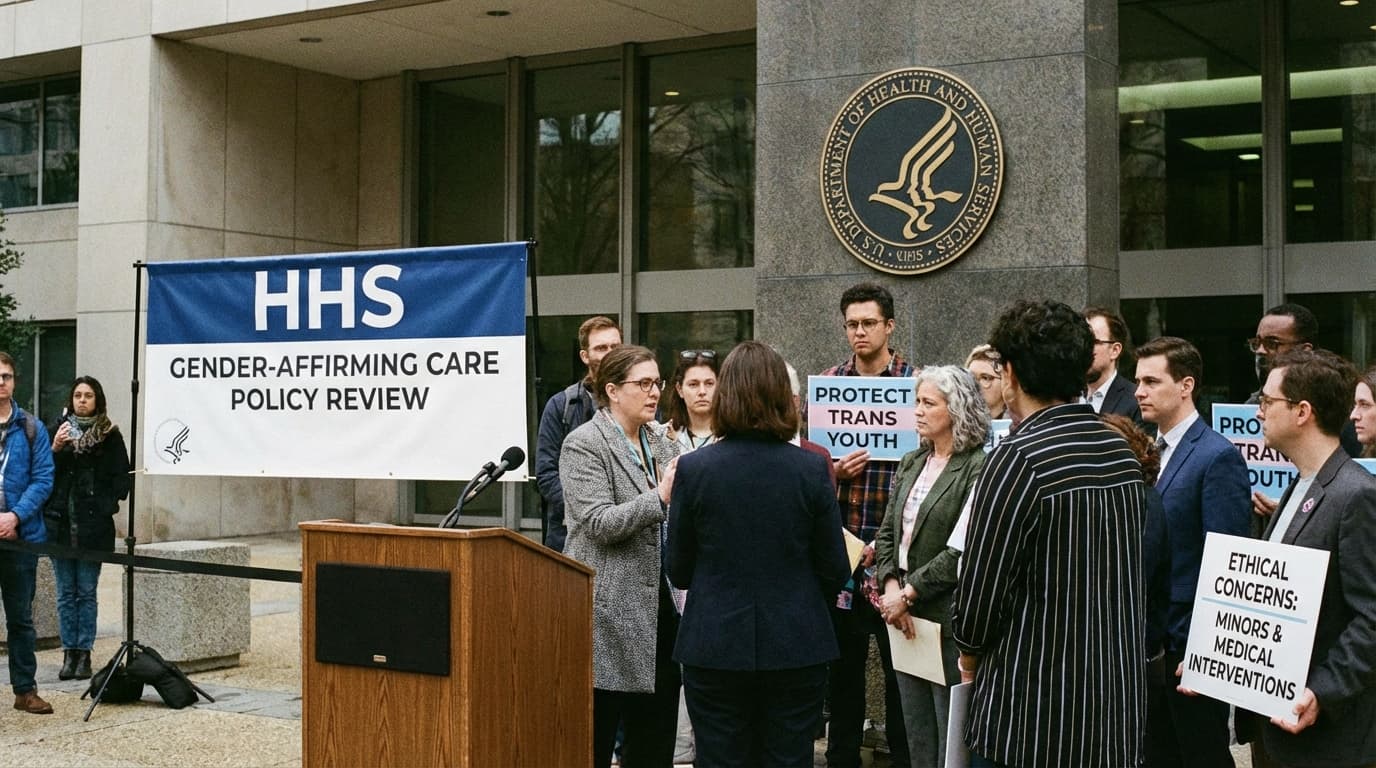
Ethical Debate Surrounds Gender-Affirming Care for Minors Following HHS Report

The ethics of gender-affirming care for minors has become a contentious issue following a Health and Human Services report. Critics argue about the use of scare tactics in recent commentaries, raising important questions about medical ethics, patient well-being, and public policy.
The topic of gender-affirming care for minors has become a pivotal subject in contemporary healthcare policy and ethics discussions. Recently, a report from the U.S. Department of Health and Human Services (HHS) has intensified this ongoing debate, especially as authors of the report criticized a recent STAT op-ed for employing what they referred to as “scare tactics.” This discourse underscores the complex interplay between medical science, ethical considerations, and societal values that shape healthcare practices and regulations.
Gender-affirming care for minors usually encompasses a range of interventions tailored to support transgender and gender-diverse youth. These can include psychological counseling, puberty blockers, hormone therapy, and sometimes surgical interventions, depending on individual cases and medical guidelines. Proponents argue that such care is crucial for the mental health and general well-being of transgender youth, potentially reducing rates of depression, anxiety, and suicidality.
However, the ethical landscape is complicated. Critics of gender-affirming care for minors often raise concerns about the capacity of young people to make fully informed decisions about irreversible medical treatments and the potential long-term effects that are not yet fully understood. The recent HHS report and the ensuing response from STAT readers reflect these multifaceted concerns and the contested nature of this care.
The authors of the HHS report expressed explicit dissatisfaction with the framing and rhetoric found in certain public discussions, particularly accusing commentators of using language intended to incite fear rather than inform. This accusation points to broader societal challenges in communicating complex medical topics in ways that respect both scientific evidence and the lived experiences of affected individuals.
From a policy standpoint, the debate illustrates the challenge of balancing patient autonomy, parental rights, and the role of medical professionals in guiding treatment decisions. Furthermore, it raises questions about the standard of evidence needed to establish ethical guidelines for treatments with significant impact on minors.
Medical ethics principles such as beneficence, nonmaleficence, autonomy, and justice are all deeply implicated in this conversation. Clinicians must navigate the dual responsibility of advancing patient welfare while ensuring decisions are made with full and competent consent, especially given the developmental considerations unique to minors.
The public discourse also touches on political and cultural dimensions, as legislative efforts in various states have sought to restrict or regulate gender-affirming care for minors. Such measures further complicate the ethical and clinical landscape by introducing legal constraints that may conflict with medical recommendations.
Looking ahead, continued rigorous research, transparent communication, and inclusive dialogue among healthcare providers, patients, families, and policymakers are essential. The evolving understanding of gender identity and the impact of medical interventions should inform ethical frameworks that both protect vulnerable populations and respect individual rights.
This ongoing debate serves as a critical reminder of the need for evidence-based policy that addresses the nuances of gender-affirming care while acknowledging the deeply personal and societal implications involved.
For further reading, see the primary source discussion here: HHS Report on Gender-Affirming Care Ethics Response.
Join the BioIntel newsletter
Get curated biotech intelligence across AI, industry, innovation, investment, medtech, and policy delivered to your inbox.