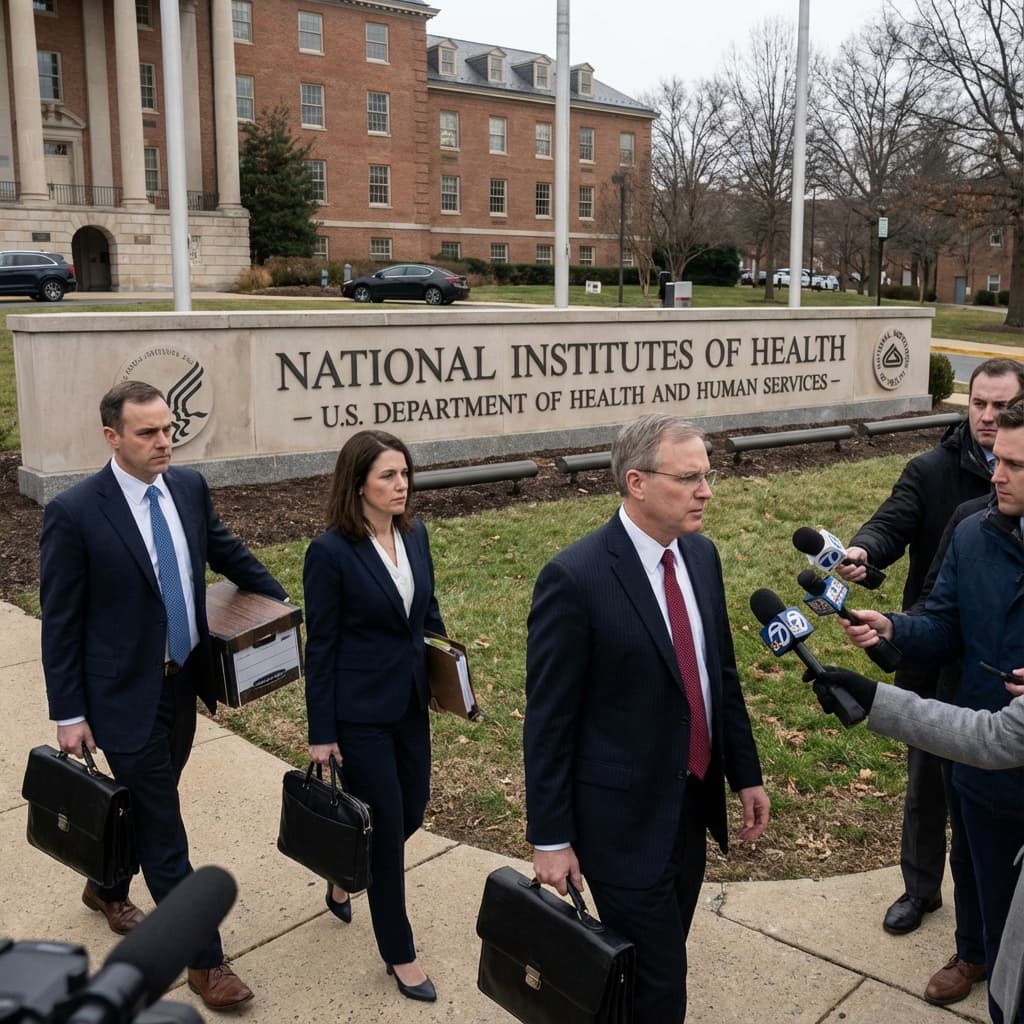

In early January 2026, the biomedical research community was shaken by the announcement that four leading scientists and administrators resigned from key positions within the National Institutes of Health (NIH), the United States' foremost medical research agency. Their departure was accompanied by a public expression of concern accusing the NIH of losing its scientific integrity, a charge that has sparked widespread debate within the scientific and regulatory communities.
The central theme communicated by these resigning leaders revolves around allegations that the NIH has experienced increasing interference and censorship in its scientific and administrative processes. In their public statement, these individuals asserted: “We can no longer lend our credibility to an organization that has lost its integrity.” This sentiment not only reflects their personal disillusionment but also raises alarms about the potential implications on the broader biomedical research enterprise, funding priorities, and public trust.
Historical Role of the NIH
The NIH has long been an emblem of scientific excellence and independence, providing substantial funding and strategic direction to a wide array of biomedical research initiatives. The agency's structure, which traditionally balances governmental oversight with autonomy for scientific decision-making, has been critical in fostering innovation and objective inquiry.
Emerging Concerns: Allegations of Interference
The resigned leaders have brought to light concerns that recent administrative actions have compromised the NIH's ability to conduct and disseminate research without undue influence. Although specific instances of interference were not detailed publicly, the broad accusation suggests that scientific priorities and the publication of findings may be subject to external pressures that could undermine the credibility and transparency essential to the research mission.
Impact on the Scientific and Medical Community
The repercussions of such internal turmoil have far-reaching consequences:
- Research Funding and Priorities: Questionable influences may skew funding allocations away from research driven by scientific merit toward politically or ideologically motivated projects.
- Public Trust and Policy: As a public institution, NIH's perceived loss of integrity can erode trust among taxpayers, policymakers, and the public, potentially impacting support for vital health research.
- Talent Retention and Recruitment: The resignation of high-profile leaders sends a concerning signal that may deter talented researchers from joining or continuing with NIH initiatives.
Broader Context
This episode should be contextualized within the current global landscape, where scientific bodies face pressures balancing rapid innovation, public scrutiny, and complex policy environments. The integrity and independence of research institutions like the NIH are key to advancing healthcare, managing public health crises, and informing sound medical policy.
Looking Forward
The pressing question remains: how will the NIH address these integrity concerns to restore confidence among its stakeholders? Transparency measures, reaffirming commitment to scientific autonomy, and open dialogue with the research community may be essential steps. The biomedical ecosystem depends heavily on NIH leadership and governance to uphold standards of scientific excellence.
As this story develops, the scientific community, policymakers, and public health advocates will be watching closely, recognizing that the outcomes here will have implications beyond the NIH, influencing the future of biomedical research funding and governance in the United States and beyond.
For more details on this critical development and its implications, see the original report from STAT News here.