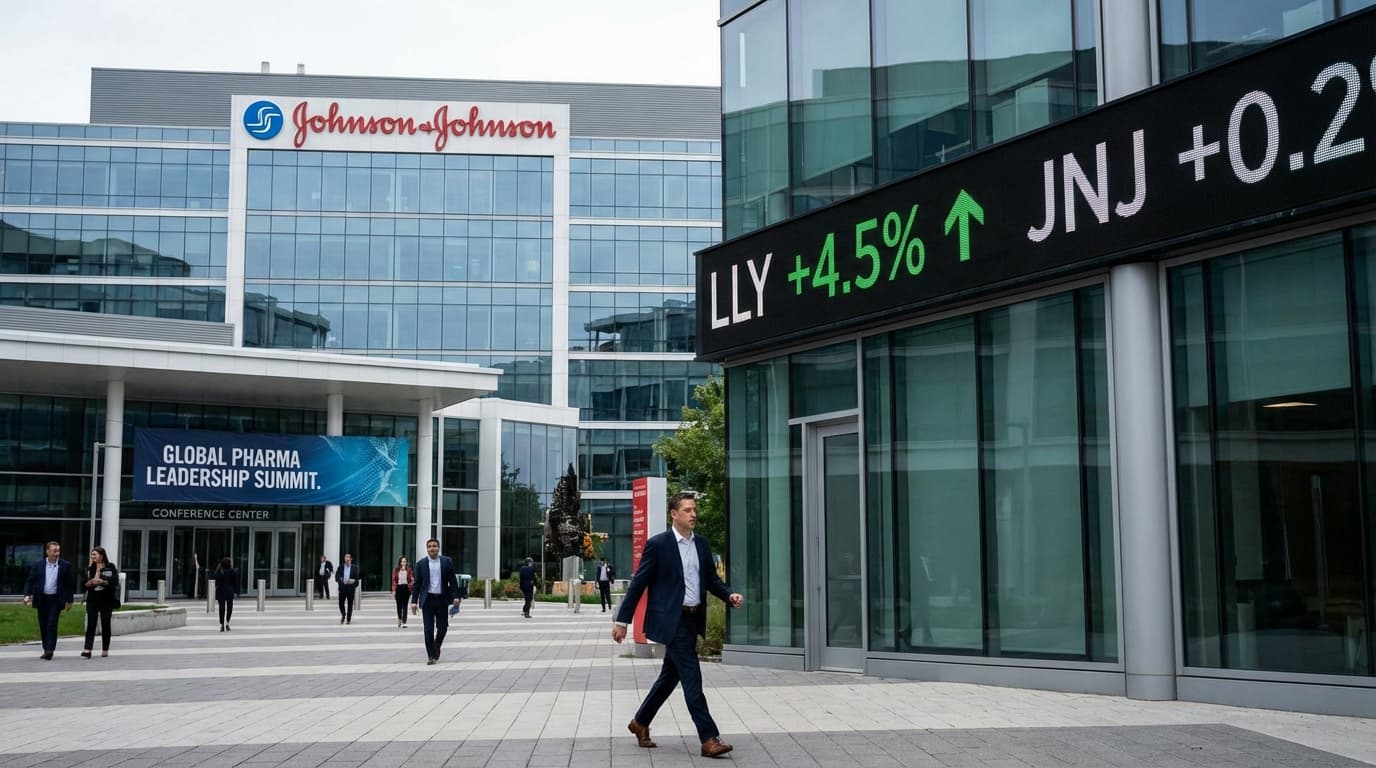
J&J Maintains Top Pharma Revenue Spot as Eli Lilly Surges on Obesity Drug Success

Johnson & Johnson continues to dominate the pharmaceutical industry by revenue, underscoring its robust portfolio and market presence. Meanwhile, Eli Lilly's recent surge as the leader in obesity treatment highlights shifting dynamics in pharma sectors, attracting substantial investor attention.
In the competitive landscape of the pharmaceutical industry, revenue rankings often signal underlying market trends and strategic shifts. According to recent data, Johnson & Johnson has retained its position as the top pharmaceutical company by revenue, reflecting its broad and diversified portfolio of healthcare products. This sustained leadership emphasizes the company's ability to continuously innovate and adapt to the evolving demands of global healthcare markets.
However, a notable development in the sector is Eli Lilly’s significant leapfrogging in the niche yet rapidly growing obesity market. Over the past year, Eli Lilly has established itself as the clear leader in this segment, primarily due to the strong sales performance of its obesity drugs. This success reflects both the growing public health focus on obesity and the company’s strategic prioritization of this therapeutic area.
The obesity pharmaceutical market is drawing increasing attention from investors, policymakers, and healthcare providers alike, driven by rising obesity prevalence rates worldwide and the demonstrated efficacy of new therapeutic agents. Eli Lilly’s leadership position not only signals commercial success but also highlights the company’s capacity to capitalize on unmet medical needs while influencing broader healthcare outcomes related to metabolic diseases.
This shift also has implications for how pharmaceutical companies position themselves amidst changing healthcare priorities. While traditional pharmaceutical giants like Johnson & Johnson continue to leverage their extensive portfolios, specialized firms like Eli Lilly are gaining momentum by focusing on targeted, high-impact therapeutic areas such as obesity.
Investment enthusiasm around Eli Lilly’s obesity drug portfolio is reflective of broader market expectations for sustainable growth fueled by innovative treatments addressing chronic conditions. This trend underscores a paradigm shift where tailored therapies for prevalent metabolic disorders are becoming central pillars of pharmaceutical growth strategies.
In addition, the evolving competitive dynamics suggest that companies excelling in addressing urgent public health challenges can influence both market performance and investor sentiment substantially. Eli Lilly’s rise in obesity treatment leadership serves as a case study of how sector-specific innovation can catalyze growth even within established markets dominated by legacy players.
Overall, Johnson & Johnson’s top revenue position alongside Eli Lilly’s obesity market success exemplifies the dual nature of the contemporary pharmaceutical industry: a balance between broad-based healthcare leadership and high-potential, focused therapeutic innovation. As the obesity epidemic continues to shape healthcare priorities, the pharmaceutical landscape is poised for further changes, with companies strategically aligning to meet these emerging demands.
This analysis draws from the recent industry report featured on BioSpace, reflecting the dynamic interplay between historical market leaders and rising specialized contenders, offering insights into future trends shaping pharmaceutical revenues and investment trajectories. Source: Johnson & Johnson Reigns as Top Pharma by Revenue While Lilly Leapfrogs on Strong Obesity Sales
Join the BioIntel newsletter
Get curated biotech intelligence across AI, industry, innovation, investment, medtech, and policy delivered to your inbox.