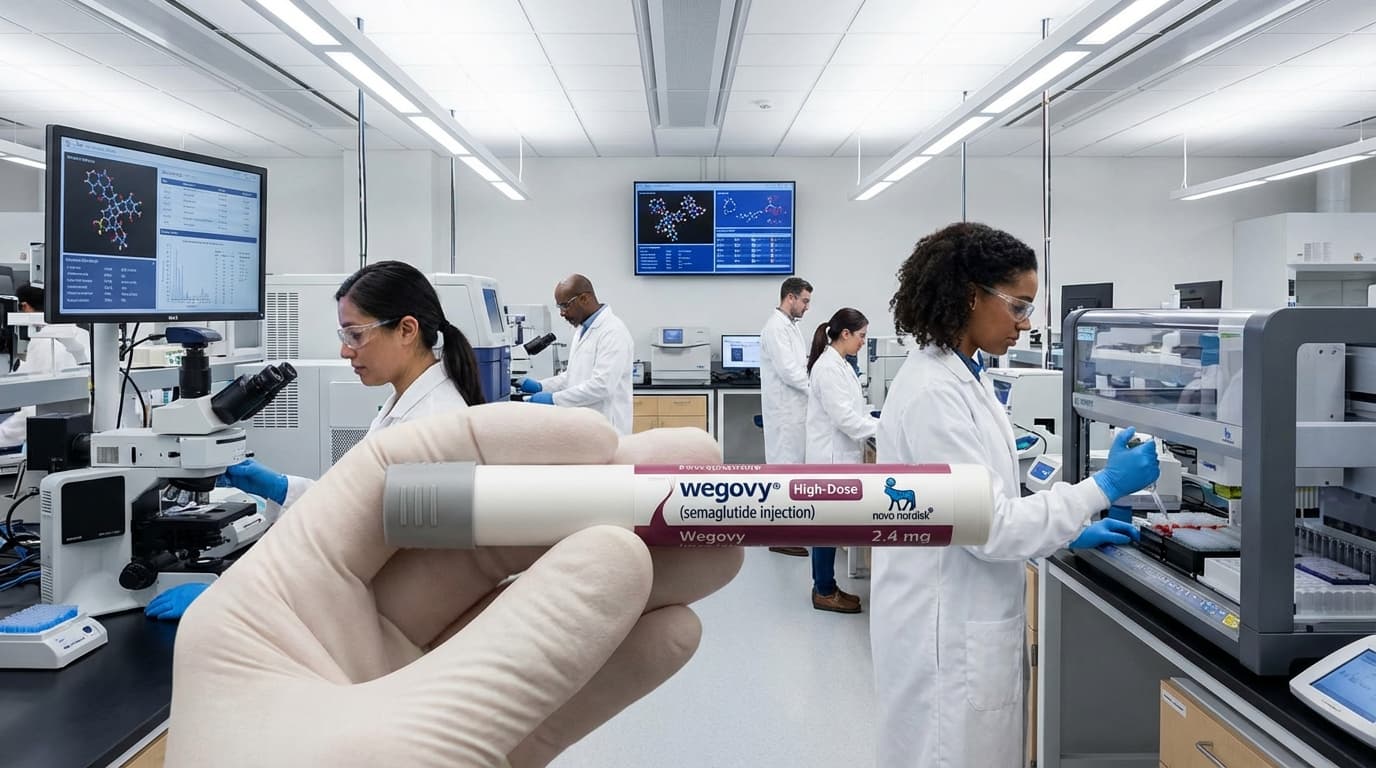
Novo Nordisk Launches High-Dose Wegovy, Marking a New Chapter in Obesity Treatment

The launch of the high-dose Wegovy variant represents a significant development in obesity pharmacotherapy. As metabolic diseases and obesity remain critical public health challenges globally, this enhanced formulation offers the potential for greater efficacy, addressing an urgent need for improved treatment options. The competitive race in obesity drug development intensifies with this launch, influencing insurer strategies and healthcare delivery.
Novo Nordisk’s recent launch of a high-dose formulation of Wegovy marks an important advancement in the management of obesity, a condition that affects millions worldwide and poses substantial risks for associated diseases such as diabetes, cardiovascular disease, and other metabolic disorders.
Wegovy, a glucagon-like peptide-1 (GLP-1) receptor agonist, has been a key player in obesity treatment, offering an effective pharmacological option for weight management alongside lifestyle interventions. The availability of a higher-dose formulation aims to increase the therapeutic impact, potentially improving weight loss outcomes for patients who may require more intensive treatment.
The decision to launch a high-dose variant comes amid increasing recognition of obesity as a complex, chronic disease requiring tailored treatment approaches. This release is expected to refine and expand the therapeutic arsenal, offering physicians and patients greater flexibility in treatment planning.
Within the broader biotech industry, newer and ongoing developments in obesity drug innovation continue to shape competitive dynamics. The high-dose Wegovy introduces a differentiated product offering that could drive market share growth for Novo Nordisk, especially as insurers and healthcare systems evaluate the value propositions of various obesity treatments.
Moreover, this launch arrives as insurers, notably within Medicare Advantage plans, incorporate obesity treatment considerations into their coverage decisions. This development may influence patient access and affordability, a critical factor given the high prevalence of obesity and associated healthcare costs.
From a clinical perspective, the enhanced dose presents opportunities and considerations regarding efficacy, safety, and patient adherence. Healthcare providers will need to assess patient suitability and monitor responses carefully to optimize outcomes.
The introduction of high-dose Wegovy also contributes to ongoing discussions about addressing the obesity epidemic with novel therapies, reflecting a growing emphasis on pharmaceutical solutions to public health crises.
In conclusion, Novo Nordisk’s launch of high-dose Wegovy signals a meaningful progression in obesity pharmacotherapy with potential implications for patient outcomes, healthcare policy, and industry competition. This development highlights the evolving landscape of metabolic disease treatment and the role of innovative biotechnologies in improving public health.
Source: STAT News
Join the BioIntel newsletter
Get curated biotech intelligence across AI, industry, innovation, investment, medtech, and policy delivered to your inbox.