Opinion: How the Perimenopause Movement is Hurting Women

Two experts dissect the rise of the perimenopause movement, highlighting how an industry profiting from misinformation around hormones and supplements could be harming women's health rather than helping it. This analysis explores the complex landscape of perimenopause-related information, its commercial drivers, and the consequences for affected women.
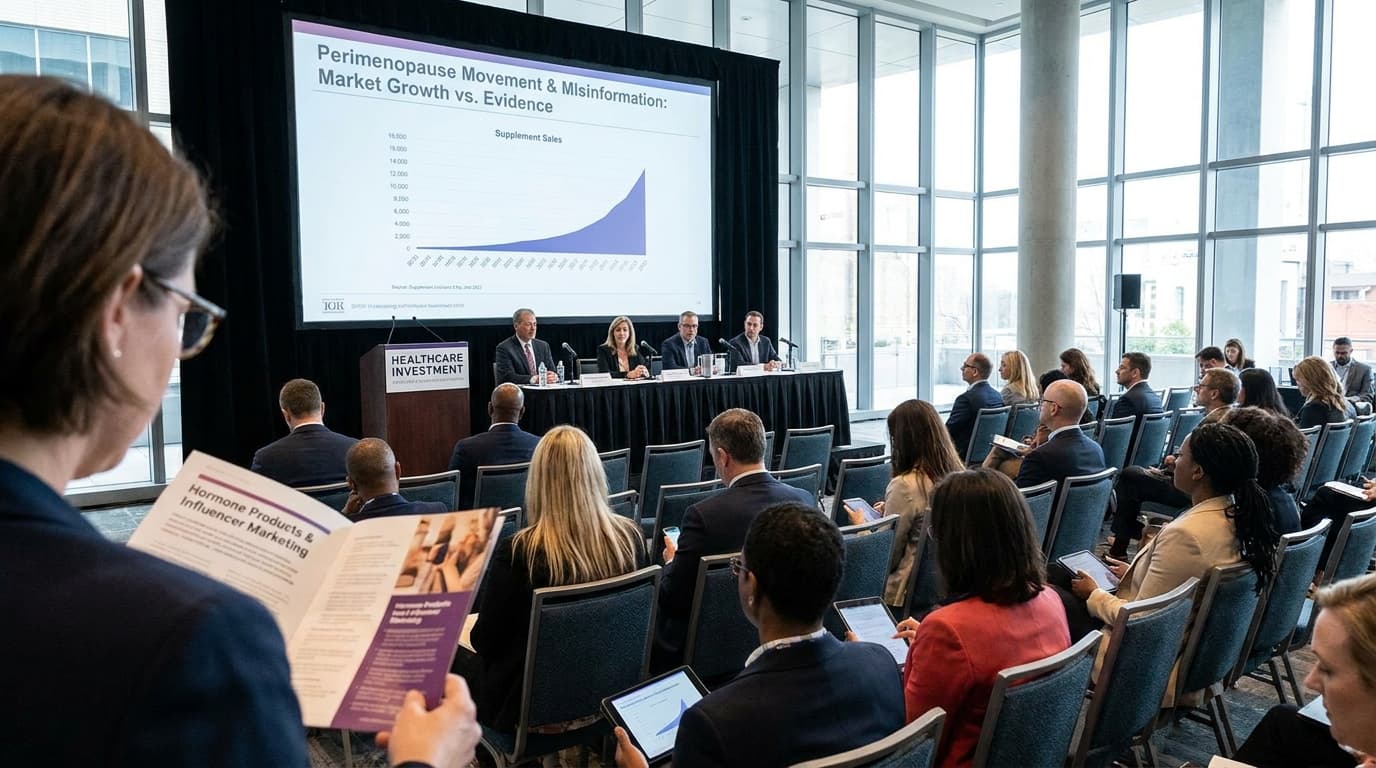
The emergence of the perimenopause movement has sparked an influx of attention on a phase of life often overlooked in mainstream healthcare discussions, promising empowerment and better health outcomes for countless women. However, beneath this rising tide of visibility lies a problematic undercurrent: misinformation and commercially driven exploitation by various influencers and industry players. This opinion piece examines how the modern perimenopause movement, despite its good intentions, may be doing more harm than good to women's health.
Perimenopause, the transitional period before menopause marked by hormonal fluctuations, brings varied symptoms including changes in mood, sleep disturbances, and shifts in metabolism. Awareness campaigns and a growing network of online communities have created a platform for women to share experiences and seek solutions. Yet, within this space, there has been a proliferation of unverified and sometimes misleading claims about hormone therapies, supplements, and treatments.
The role of social media influencers cannot be understated. Many, often with no medical or scientific background, amplify anecdotal stories and promote specific supplements or hormonal regimens as panaceas. This creates an ecosystem where commercial interests intersect with vulnerable audiences seeking relief, leading to a rise in the consumption of products whose efficacy and safety are unproven.
Experts raise concerns that such misinformation could lead to adverse health consequences, including inappropriate hormone use without proper medical supervision. The complex physiology of perimenopause demands careful clinical evaluation—not a one-size-fits-all supplement or hormone solution advertised widely online. Moreover, the commodification of perimenopause has spawned an extensive market benefiting companies selling hormonal supplements and health products, raising ethical questions about the motives behind certain messaging.
This movement’s challenges are compounded by an existing gap in women's health research, particularly on perimenopause, which allows misinformation to flourish in the absence of definitive guidance. The interplay between limited clinical data, aggressive marketing, and societal stigma about women's aging creates a fertile ground for misconceptions.
To navigate this environment, the healthcare community advocates for enhanced education initiatives grounded in evidence-based medicine, improved regulatory oversight of supplements and hormone products, and a call for transparency among influencers endorsing health products. Women deserve accurate information to make informed choices about their health during perimenopause without being subjected to exploitative tactics or misleading promises.
Ultimately, this analysis aims to shine a light on the nuanced landscape of the perimenopause movement. While increased attention is a positive step, it must be coupled with critical evaluation and protection against the potentially harmful consequences of misinformation and commercial profiteering.
Join the BioIntel newsletter
Get curated biotech intelligence across AI, industry, innovation, investment, medtech, and policy delivered to your inbox.