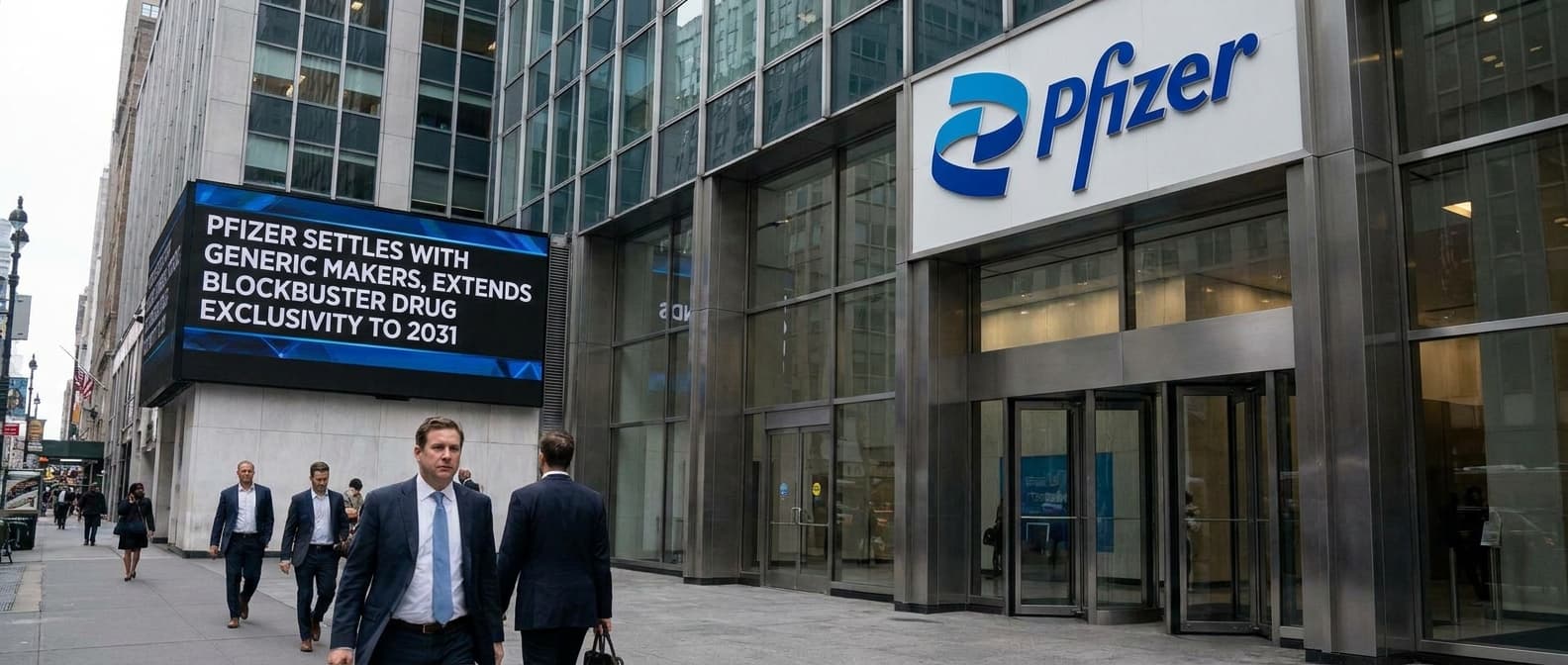
Pfizer Settles with Generic Drugmakers to Protect Blockbuster Drug Until 2031

The pharmaceutical giant Pfizer has secured a legal settlement that delays generic competition for one of its top-selling drugs until 2031. This move has important implications for the pharmaceutical industry, generic manufacturers, and patients worldwide. The settlement highlights ongoing tensions between innovator companies and generic drugmakers, regulatory landscapes influencing market dynamics, and the strategic measures companies take to protect valuable assets.
Introduction
In a significant development within the pharmaceutical sector, Pfizer has announced a settlement agreement with multiple generic drugmakers that will effectively extend the protection period of one of its blockbuster medications until 2031. This decision, disclosed on April 29, 2026, marks a strategic move to preserve its market exclusivity well beyond the original patent expiry dates, impacting the accessibility and pricing for patients and reshaping competitive dynamics within the drug market.
Background and Context
Pfizer, a leader in drug innovation, has long relied on patent protections to maintain a competitive edge and recoup substantial research and development investments. The drug at the center of this settlement has been among the top revenue-generating treatments globally, underscoring its significance to Pfizer’s financial health and portfolio.
Generic drugmakers, on the other hand, serve a critical role in increasing access to affordable medication once innovator patents expire. The tension between originator and generic manufacturers often culminates in lengthy patent litigations or settlements that dictate the timeline for when generics can enter the market.
Details of the Settlement
While specific financial terms and conditions of the settlement remain confidential, the publicly available information reveals that Pfizer has negotiated a delay in generic entry until 2031. This delay extends the exclusivity period, effectively preserving Pfizer’s monopoly on the drug well beyond anticipated generic competition timelines.
Such settlements often include licensing agreements, royalty arrangements, or covenant not to sue clauses, aligning incentives between originators and generic players. This deal appears to reflect a carefully calibrated approach balancing legal risks, market opportunity, and strategic long-term planning.
Implications for the Pharmaceutical Industry
This settlement exemplifies the evolving landscape of patent litigation and market exclusivity in the pharmaceutical industry. By securing extended protection, Pfizer solidifies its revenue base, influencing investor confidence and strategic decision-making.
For generic manufacturers, the agreement may signal realistic timelines for product development and market launch strategies but also highlights ongoing challenges related to intellectual property and competitive pressures.
Moreover, such arrangements may raise broader discussions about pharmaceutical innovation incentives, access to affordable medicine, and regulatory policies aimed at balancing these competing priorities.
Impact on Patients and Healthcare Providers
From a patient and healthcare system perspective, extending market exclusivity usually correlates with prolonged higher drug prices, given the absence of lower-cost generic alternatives. This scenario may affect affordability and access, key concerns within public health policy debates.
Conversely, Pfizer argues that extended revenues contribute to funding future innovations, maintaining the pipeline of novel therapeutics benefiting patients in the long term.
Regulatory and Market Considerations
The settlement must be viewed within the broader regulatory framework that governs drug patents, exclusivity periods, and market approval processes. Regulatory agencies play a pivotal role in enforcing patent laws, reviewing settlement agreements for anti-competitive behaviors, and safeguarding public interest.
Market reactions to such settlements often reflect investor sentiment and analyst forecasts, influencing share prices and industry valuations.
Challenges and Controversies
Legal settlements in pharma frequently attract scrutiny regarding their fairness and impact on market competition. Critics may view extended exclusivity as a barrier to competition, slowing generic availability and affecting drug affordability.
Debates around "pay-for-delay" agreements highlight the need for transparent regulations to ensure competitive markets while preserving incentives for innovation.
Future Outlook and Broader Industry Trends
Pfizer’s settlement aligns with a broader industry trend where originator companies increasingly leverage strategic settlements to optimize exclusivity and revenue. Future developments may include more sophisticated approaches involving biotechnology innovations, patent strategies, and regulatory negotiations.
Stakeholders, including policymakers, investors, and patient advocacy groups, will continue to monitor these agreements closely, seeking balance between innovation incentives and equitable access.
Conclusion
Pfizer’s settlement with generic drugmakers to secure protection until 2031 underscores critical dynamics shaping the pharmaceutical industry today. It highlights the interplay between innovation, market competition, regulatory oversight, and patient access. This case serves as a key example of how blockbuster drugs continue to influence industry strategies and healthcare landscapes worldwide.
Sources
For additional details, visit the original report at BioSpace.
Join the BioIntel newsletter
Get curated biotech intelligence across AI, industry, innovation, investment, medtech, and policy delivered to your inbox.