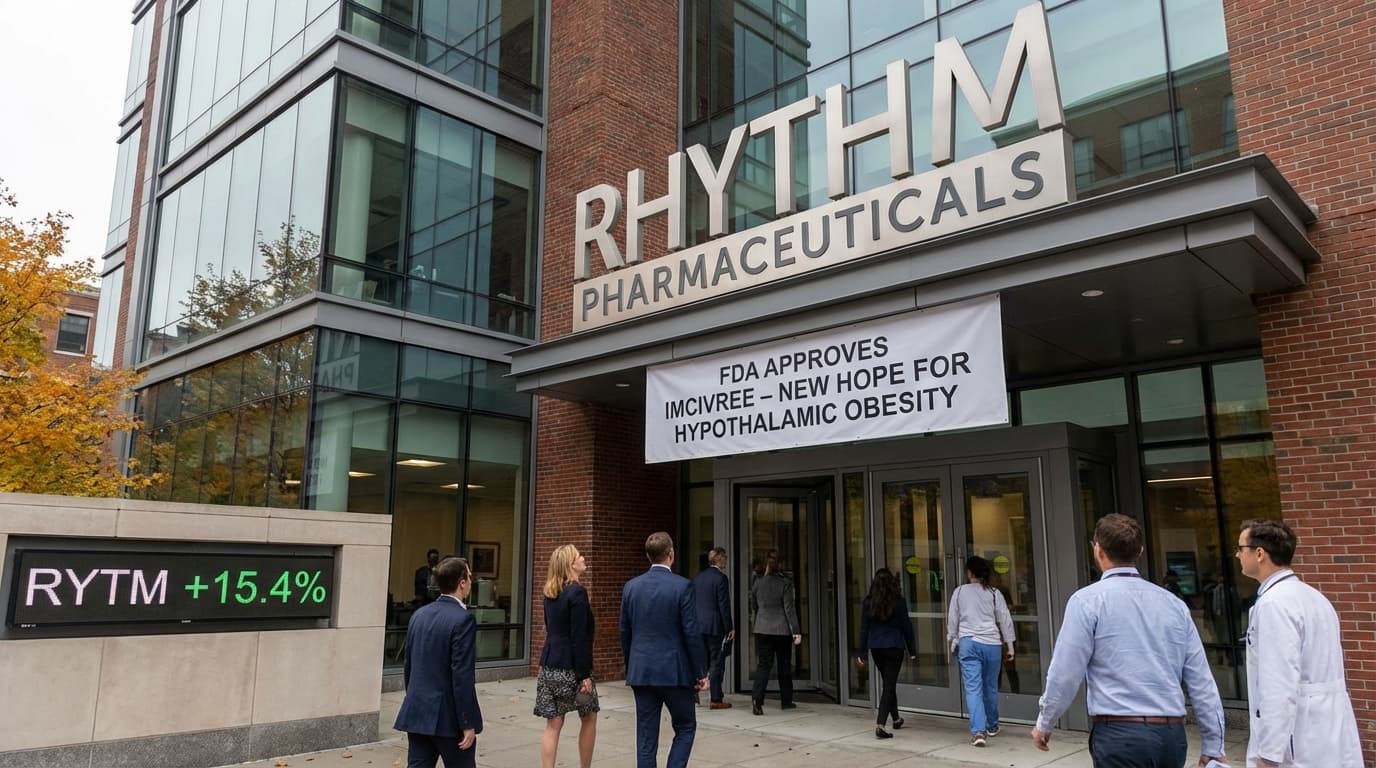
Rhythm Pharmaceuticals Triumphs with FDA Approval for Imcivree, Targeting Rare Obesity

Imcivree’s approval opens the door to a potentially lucrative market in rare obesity treatment, with sales projections exceeding $2 billion globally. Despite past phase 3 trial failures, the drug’s regulatory success highlights the evolving landscape for rare disease therapeutics.
The recent FDA approval of Imcivree, developed by Rhythm Pharmaceuticals, signals a pivotal moment in the treatment of hypothalamic obesity, a rare and challenging condition. This approval follows a difficult trajectory for Rhythm, marked by setbacks including a failed phase 3 trial. However, the company has successfully navigated the regulatory pathway to bring Imcivree to market, offering new hope for patients with this debilitating disorder.
Hypothalamic obesity is characterized by uncontrollable weight gain resulting from damage to the hypothalamus, often due to brain tumors or their treatment. This condition leads to severe obesity resistant to conventional weight management strategies, creating significant health risks. The availability of Imcivree as a treatment option provides a targeted therapeutic approach designed to modulate pathways affected by hypothalamic injury.
Market analysts from Stifel estimate the global sales potential for Imcivree could exceed $2 billion at its peak. This forecast reflects both the unmet medical need within this patient population and the high cost often associated with treatments for rare diseases. The approval thus positions Rhythm Pharmaceuticals to capitalize on a niche market with substantial revenue opportunities.
The journey to approval was not straightforward. Rhythm's initial phase 3 trial results did not meet expectations, raising concerns about the viability of Imcivree. Nevertheless, ongoing dialogue with regulatory authorities and additional data submissions enabled the company to address these hurdles. The FDA's nod underscores the agency's openness to approving medications that address rare diseases, particularly when alternative treatment options are limited.
Beyond the commercial implications, Imcivree's approval sheds light on wider trends in drug development for rare and orphan diseases. Pharmaceutical companies are increasingly investing in this area, driven by advancements in understanding disease mechanisms and facilitated by regulatory incentives. These include orphan drug designations and priority review pathways that accelerate development timelines.
Despite this positive development, challenges remain for Rhythm Pharmaceuticals. Market access and reimbursement will be critical factors influencing the drug’s uptake by healthcare providers and patients. The cost of therapy and the need for specialized administration may limit widespread adoption initially.
Moreover, the company must sustain confidence among investors and stakeholders after the earlier phase 3 trial setback. Continued post-approval studies and real-world evidence will be essential to demonstrate the long-term efficacy and safety of Imcivree.
In summary, the FDA approval of Imcivree represents a noteworthy turnaround for Rhythm Pharmaceuticals and offers a promising new option for patients with hypothalamic obesity. The anticipated sales potential and evolving regulatory environment underscore the growing importance of rare disease therapeutics in the biopharmaceutical industry.
Source: Rhythm Bounces Back from Phase 3 Fail with FDA Nod for Rare Obesity Injection
Join the BioIntel newsletter
Get curated biotech intelligence across AI, industry, innovation, investment, medtech, and policy delivered to your inbox.