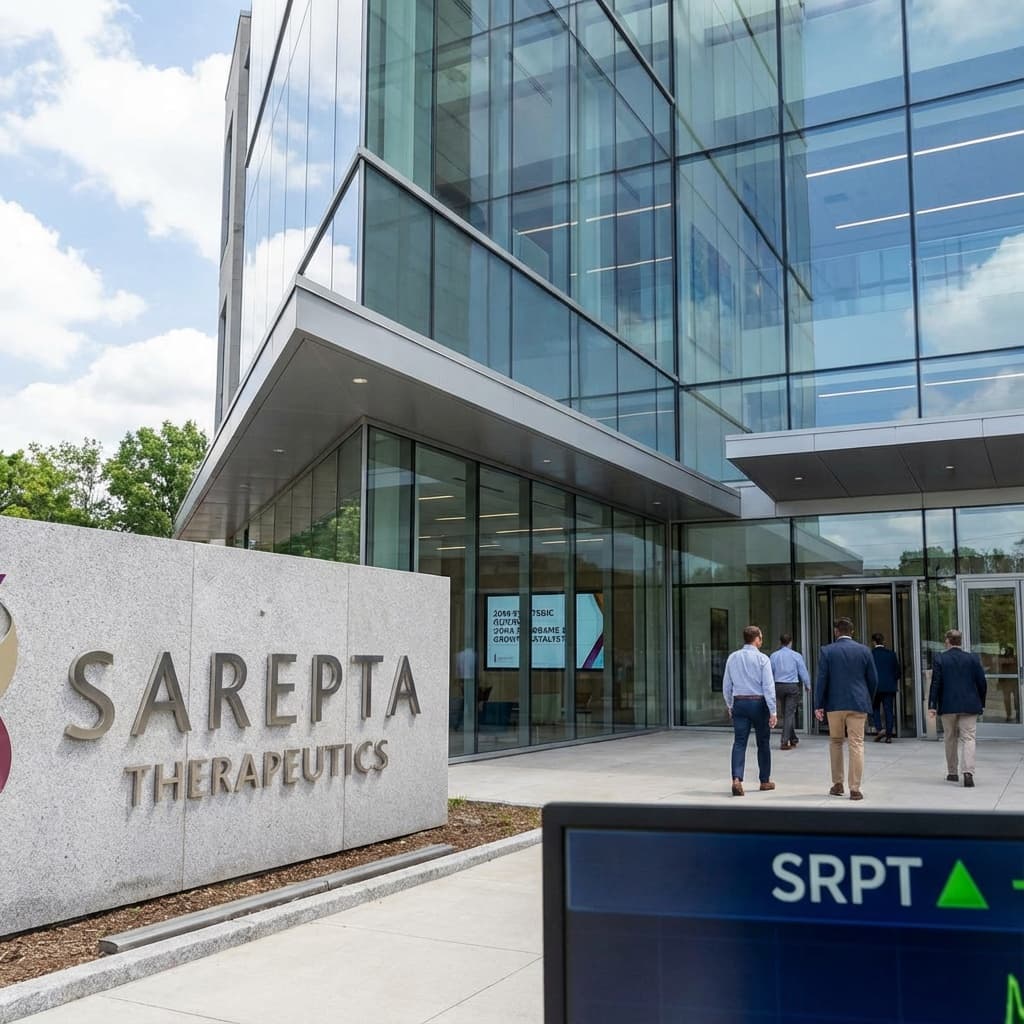
Sarepta Therapeutics Eyes a Catalyst-Rich 2026 Amid siRNA Program Opportunities

Sarepta's 2026 pipeline includes advanced siRNA therapies for facioscapulohumeral muscular dystrophy and myotonic dystrophy type 1, aiming at a forecasted $1 billion market opportunity per program. Despite recent hurdles, the company targets a year full of development catalysts and growth potential.
Sarepta Therapeutics enters 2026 facing a new horizon filled with potential after a year shadowed by significant mortality challenges. The company is strategically positioned to capitalize on emerging opportunities in its siRNA therapeutic programs, specifically targeting rare muscular dystrophies.
Overview of Sarepta's 2025 Challenges and Moving Forward
In the prior year, Sarepta confronted adverse outcomes that impacted investor confidence and market perception. Despite these challenges, the company’s robust pipeline and scientific advancements set a foundation for renewed optimism. The focus on RNA interference (siRNA) technologies represents a cutting-edge approach to treating complex genetic disorders, offering hope for patients with limited treatment options.
siRNA Programs Targeting Muscular Dystrophies
Two lead programs center on facioscapulohumeral muscular dystrophy (FSHD) and myotonic dystrophy type 1 (DM1). These indications are significant given their unmet medical needs and potential market size:
-
Facioscapulohumeral Muscular Dystrophy (FSHD): A progressive muscle-wasting disease, FSHD has no approved cure. Sarepta’s siRNA candidates aim to silence pathological gene expression, addressing the disease mechanism at its root.
-
Myotonic Dystrophy Type 1 (DM1): Characterized by progressive muscle wasting and weakness, DM1 is a multifaceted genetic disorder. Sarepta’s siRNA investigational treatments seek to reduce the toxic RNA transcripts that contribute to disease pathology.
Jefferies analysts estimate that each of these programs could represent a $1 billion market opportunity, reflecting the vast patient populations and high unmet need.
Strategic Development Plans and Upcoming Catalysts
Sarepta’s 2026 agenda is laden with key clinical milestones, data readouts, and potential regulatory interactions that could unlock further value. This catalyst-rich pipeline positions the company to regain momentum and reinforce its leadership in neuromuscular drug development.
The siRNA platform not only targets muscular dystrophies but also showcases the company’s broader commitment to expanding RNA-based therapeutics, which have demonstrated promising efficacy and safety profiles in various genetic disorders.
Market Implications and Investor Outlook
With the focus on rare diseases and advanced therapeutic modalities, Sarepta’s progress will be closely watched by investors and industry stakeholders alike. The projected market opportunities align with significant patient needs, which could drive both clinical and commercial success.
While the previous year presented formidable obstacles, Sarepta's strategic positioning and scientific innovation set the stage for a potentially transformative year ahead.
Conclusion
Sarepta Therapeutics is turning a page in 2026, building on its siRNA therapeutic programs for FSHD and DM1. The scientific promise combined with market opportunities presents a compelling narrative for a company eager to overcome past setbacks and deliver meaningful advances for patients with devastating muscular dystrophies.
Source: BioSpace
Join the BioIntel newsletter
Get curated biotech intelligence across AI, industry, innovation, investment, medtech, and policy delivered to your inbox.