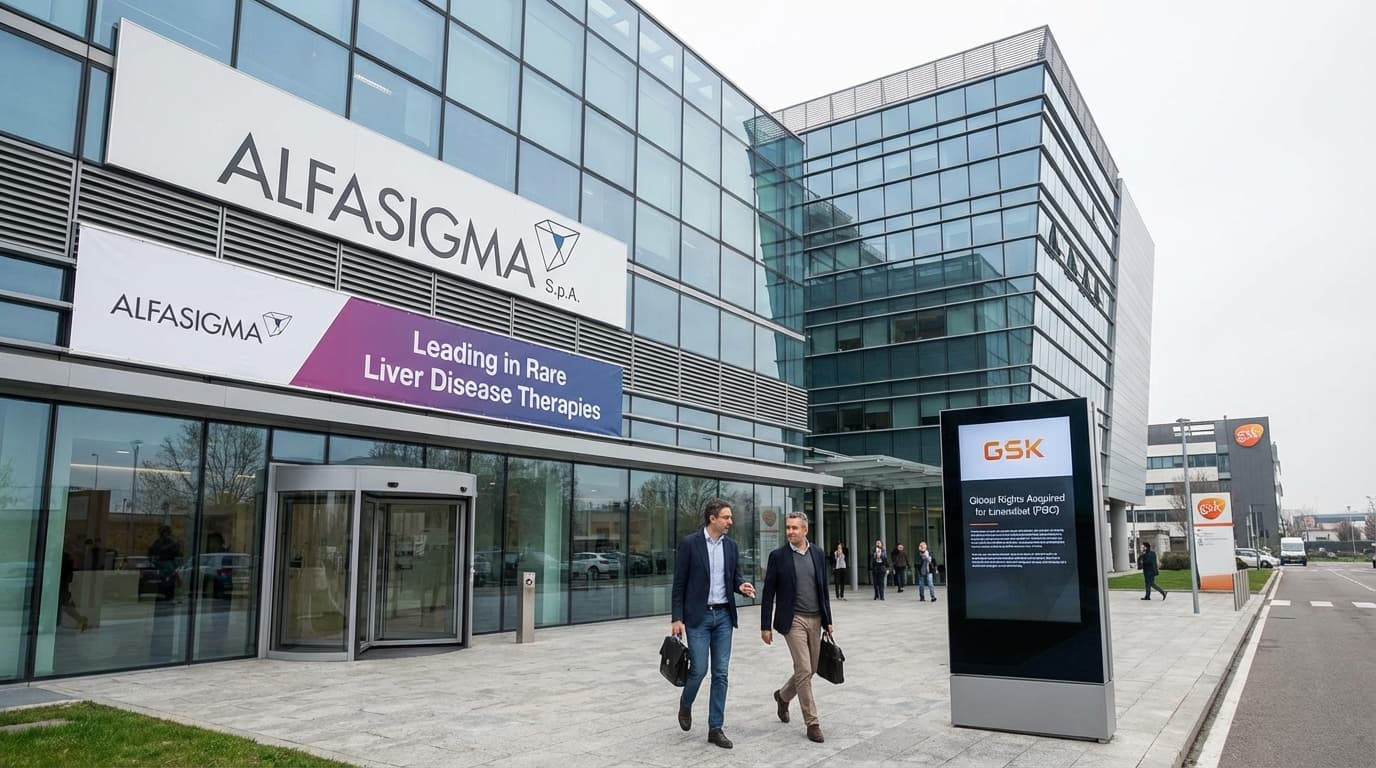
Alfasigma Acquires Global Rights to GSK’s Rare Liver Disease Drug Linerixibat Ahead of FDA Decision

In a significant move within the rare disease market, Italian pharmaceutical company Alfasigma has acquired the worldwide rights to linerixibat, a drug developed by GlaxoSmithKline (GSK) targeted at primary biliary cholangitis (PBC), a rare autoimmune liver condition. This deal comes at a critical time as linerixibat approaches an FDA decision, potentially reshaping treatment options for PBC patients worldwide.
Primary biliary cholangitis (PBC) represents a serious rare liver disorder characterized by the gradual destruction of bile ducts within the liver, leading to liver damage and potential liver failure. Treatment options remain limited, and the development pipeline for new therapies carries substantial interest from biopharma companies given the unmet medical need.
In 2026, Alfasigma announced the acquisition of global rights to linerixibat from pharmaceutical giant GlaxoSmithKline (GSK). Linerixibat is an ileal bile acid transporter (IBAT) inhibitor, representing a novel mechanistic approach to treat the debilitating pruritus (itching) associated with PBC. Pruritus is a significant symptom experienced by PBC patients, often leading to impaired quality of life.
This acquisition is especially notable considering Alfasigma’s prior voluntary market withdrawal in 2025 of Ocaliva (obeticholic acid), another PBC drug. The withdrawal was conducted amid safety concerns raised by regulatory authorities in both the U.S. and the European Union. These concerns centered on adverse events and elevated safety risks associated with Ocaliva, which had been a key treatment option for PBC.
Alfasigma's strategic pivot towards linerixibat underscores a commitment to re-establishing a presence in the rare liver disease market by focusing on a candidate with a potentially better safety profile and novel therapeutic benefit. Given that linerixibat is under regulatory review with a U.S. Food and Drug Administration (FDA) decision anticipated, this deal reflects a crucial inflection point.
The acquisition deal reportedly involved a payment of $300 million to GSK, reflecting the high stakes and confidence Alfasigma places in linerixibat's potential to gain regulatory approval and commercial success. The global rights encompass all markets, allowing Alfasigma to coordinate development, regulatory submissions, and commercialization efforts worldwide.
From a regulatory perspective, the forthcoming FDA decision on linerixibat will be closely watched by stakeholders within hepatology and rare disease communities. If approved, linerixibat could address the significant unmet medical need for safe and effective symptomatic treatment of pruritus in patients with PBC.
The PBC market has historically been dominated by a few treatments with various limitations, so the introduction of linerixibat could redefine standards of care and improve patient outcomes significantly. Moreover, this deal highlights a key trend within the biopharmaceutical industry where companies actively seek to rebalance their portfolios by acquiring assets that promise differentiation and address safety and efficacy gaps left by predecessor drugs.
Alfasigma's transition from Ocaliva to linerixibat underlines the broader challenges and competitive pressures faced by companies developing therapies in rare diseases—balancing clinical benefits with regulatory scrutiny and safety vigilance.
This move also demonstrates the ongoing strategic importance of licensing and partnership deals within the pharmaceutical sector, particularly around rare diseases where development costs are high and the patient populations limited, but the therapeutic impact and pricing potential are substantial.
In conclusion, Alfasigma's acquisition of linerixibat rights from GSK not only marks a pivotal moment for the company's rare liver disease aspirations but also signals potentially transformative advances for PBC treatment pending the FDA's decision. The market and medical community alike will be observing closely as the drug progresses through this critical regulatory milestone.
Source: MedCity News
Join the BioIntel newsletter
Get curated biotech intelligence across AI, industry, innovation, investment, medtech, and policy delivered to your inbox.