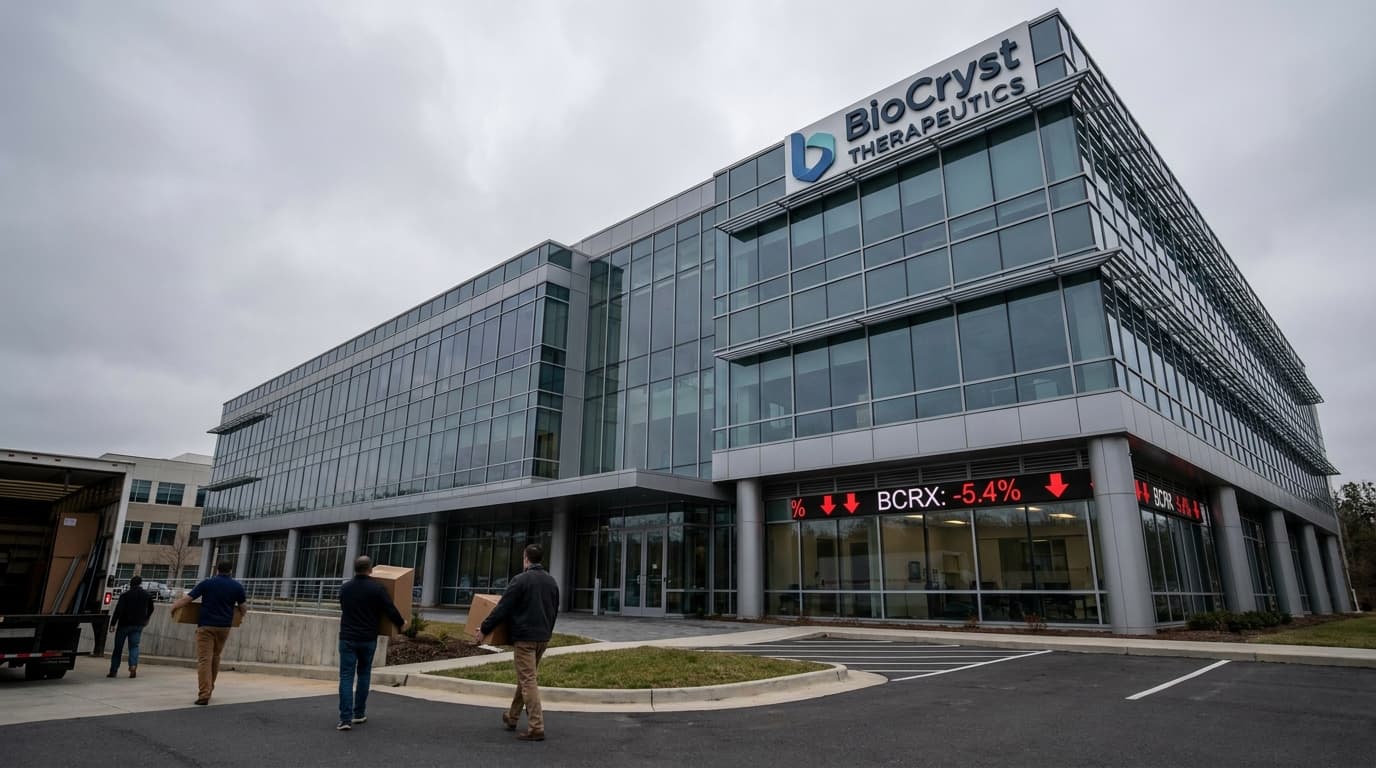
BioCryst Ends All Internal Discovery Efforts: Layoff Tracker Analysis

As BioCryst Therapeutics ends its in-house discovery programs, the company joins a cohort of firms adapting to shifting industry realities through layoffs and restructuring. This marks a significant strategic pivot aimed at refocusing resources and responding to market and financial pressures.
Introduction: A Sign of the Times
BioCryst Therapeutics, a biopharma company historically known for its focus on developing oral medicines for rare and serious diseases, has taken the significant and sobering step of ending all internal discovery efforts. This decision comes amid a broader climate in 2026 marked by industry-wide layoffs and restructuring. As the biopharmaceutical landscape faces mounting pressure from both economic and strategic fronts, BioCryst's move represents a notable inflection point in how mid-sized firms are responding to the challenge of sustaining innovation alongside commercial viability.
The Decision: Ending Internal Discovery
BioCryst’s announcement that it will terminate all internal discovery ventures is both a reflection of immediate business imperatives and a symbol of wider sectoral shifts. Such a decision is rarely taken lightly; discovery is the phase in drug development where fundamental research is conducted, new molecules are identified, and future clinical candidates are created. Abandoning this function signals a shift from research-driven growth to a strategy more dependent on existing assets, external partnerships, or in-licensing.
Underlying Causes: Financial, Operational, and Strategic Pressures
Several factors contributed to this outcome:
-
Financial Constraints: Drug discovery is resource-intensive, often requiring substantial upfront investments with no guarantee of success. For a company like BioCryst, that may be contending with revenue fluctuations, competitive pressures, or the imperatives of cost containment, internal research programs can quickly become unsustainable.
-
Operational Realignment: As the pace of layoffs and restructuring accelerates across the industry, biopharma firms are reevaluating where their true strengths and opportunities lie. For some, this means pivoting to commercialization or clinical development, while dialing back on early-stage research due to its inherent risk and expense.
-
Ecosystem Shifts: The broader environment for innovation in biotechnology has changed. Venture funding has tightened after years of abundance, while regulatory hurdles remain rigorous. In-licensing, strategic alliances, and partnerships with discovery-focused CROs or academic groups are becoming preferable options for commercially mature companies.
Implications for Employees and the Scientific Community
The human cost of such restructuring is always significant. Ending internal discovery inevitably results in the loss of jobs for scientists, lab technicians, and support staff that have formed the core of BioCryst’s scientific operations. Beyond immediate redundancies, there are downstream effects:
-
Brain Drain: Loss of experienced personnel can hamper the industry’s collective knowledge base and the organization’s long-term innovative capacity.
-
Regional Impacts: If BioCryst operates in biotechnology clusters or local economies reliant on its workforce, layoffs can reverberate far beyond the company walls, affecting suppliers, service providers, and community programs.
-
Career Shifts: Displaced researchers often must transition to roles in other organizations, CROs, academia, or adjacent fields—sometimes at the cost of abandoning years-long projects and expertise.
Industry Trends: Layoff Tracker Insights
BioSpace and other industry news sources have been following a marked uptick in biopharma workforce reductions. Increasingly, companies are announcing restructuring not just as a reaction to failed trials or slow drug sales, but as a preemptive step to manage costs and focus on near-term revenue drivers. The pattern often follows a cyclical downturn in funding or a correction in capital markets: restructuring becomes a lever to enable survival until conditions turn more favorable.
Some major contributing factors include:
- Tighter Capital Markets: The days of easy access to venture and public capital have waned for most small and mid-sized firms, forcing difficult resource allocation decisions.
- Regulatory Delays: Prolonged FDA review cycles, CRLs, and manufacturing inspection issues have resulted in unpredictable cash flows and the need to conserve resources.
- Pipeline Focus: As investors steer companies toward later-stage, derisked assets, organizations are often compelled to prioritize these programs over speculative or nascent discovery portfolios.
Strategy Shift: Outsourcing and In-Licensing as the New Normal
BioCryst’s move to end internal discovery heralds a broader strategic pivot observable throughout the sector:
-
External Innovation Models: Many companies are reducing risk by engaging in partnerships or in-licensing opportunities with academic labs, biotech startups, or specialized contract research organizations (CROs), all in an effort to maintain access to novel science without carrying the full operational burden.
-
Mergers and Acquisitions: Industry consolidation remains rampant, with larger firms absorbing early-stage platforms as their own internal innovation pipelines mature or dwindle. Companies may find it more efficient to acquire discoveries elsewhere than to incubate them from scratch.
-
Focus on Core Strengths: Smaller biotechs and specialty pharma companies increasingly concentrate on clinical development, regulatory approval, and commercialization, leaving high-risk research to more specialized entities or academia.
Broader Implications for Rare Disease Drug Development
BioCryst’s legacy in oral therapies for rare diseases highlights another crucial theme: the ongoing need for innovation in underserved patient communities. As internal discovery wanes, there is a growing risk that truly first-in-class medicines for ultra-rare or novel conditions will become scarcer, unless external partners can fill the gap. This challenge puts pressure on the life sciences ecosystem to ensure that innovation continues, even as firms realign their strategies toward sustainability.
The Outlook: Opportunities and Uncertainties Ahead
While restructuring brings short-term hardship, it can enable longer-term resilience. Companies forced to streamline their operations can survive downturns and redeploy resources to areas of higher return. The hope is that nimbleness will position them for renewed growth when external conditions improve. For displaced scientific talent, the situation is harder, but the broader market for innovation remains: academic labs, growing CROs, and next-generation startups continue to seek skilled discovery scientists, even as legacy biotechs retrench.
Conclusion: The Evolving Landscape
BioCryst’s strategic decision to wind down internal discovery exemplifies the realignments currently shaping the biopharmaceutical industry. As economic pressures mount and access to capital becomes more uncertain, companies are being forced to make tough decisions to preserve financial stability. The end of an internal discovery era for BioCryst serves as both a warning and a lesson for the broader sector: adaptability, partnership, and operational focus are now essential elements of survival and future success.
Join the BioIntel newsletter
Get curated biotech intelligence across AI, industry, innovation, investment, medtech, and policy delivered to your inbox.