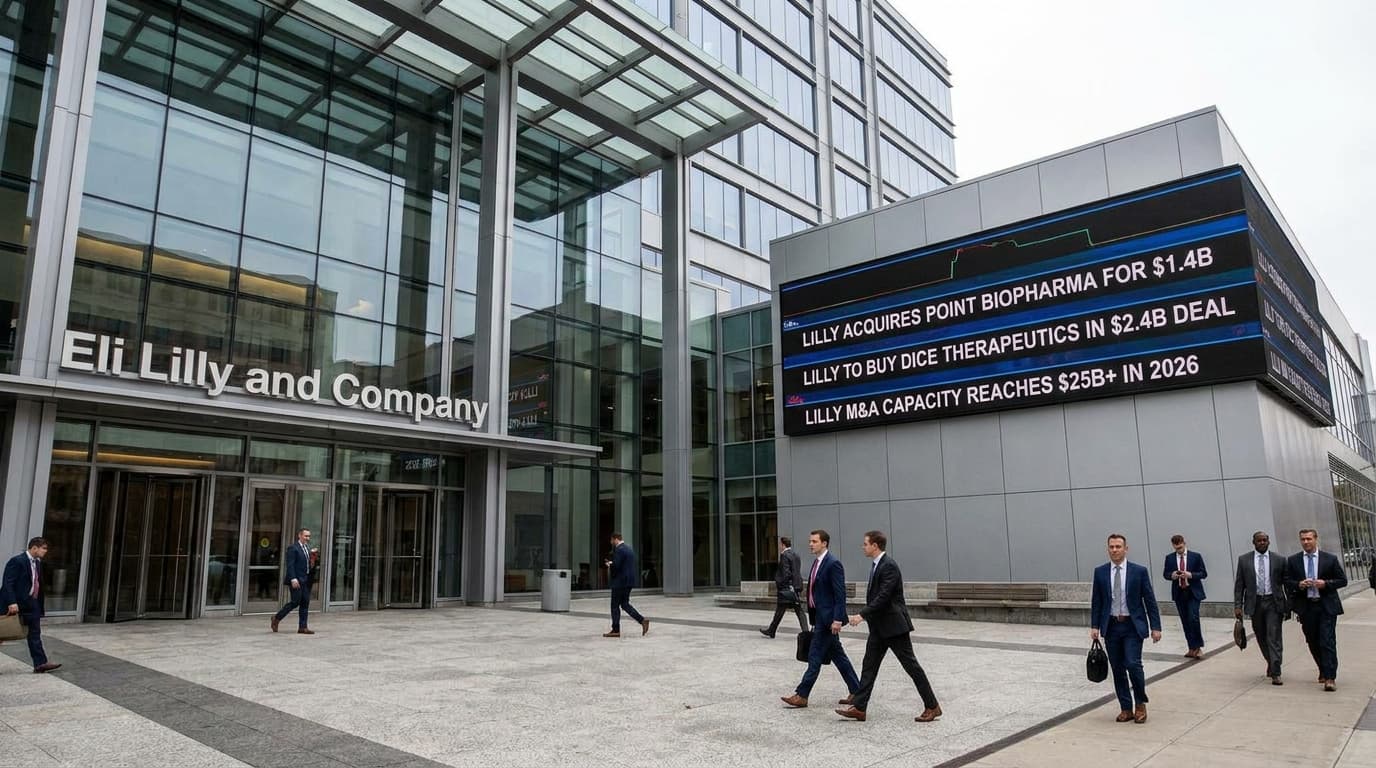
Eli Lilly’s $25B+ Acquisition Spree: Dissecting Its Impact on Pharma’s 2026 M&A Capacity

With more than $25 billion spent on acquisitions and ten deals closed just this year, Eli Lilly has asserted itself as the leading biopharma acquirer of the decade. This article delves into the motivations, risks, and implications for the broader life sciences industry as a wave of consolidation unfolds.
In a year already marked by extraordinary consolidation activity, Eli Lilly has swiftly emerged as the most assertive acquirer within the biopharmaceutical sector. Over the past decade, Lilly has acquired a greater number of biotech companies than any of the other top 12 pharma corporations by revenue—an impressive feat in itself. However, what distinguishes the company’s strategy in 2026 is the sheer intensity: ten of these mergers and acquisitions (M&A) are reported to have occurred just in this calendar year.
This article takes a comprehensive look at the ramifications of Lilly’s acquisitive momentum, the market forces behind such an assertive play, and what this means for the trajectory of innovation, investment, and competition within the biopharmaceutical industry at large.
Setting the Scene: 2026’s Unprecedented M&A Environment
The pharmaceutical sector is no stranger to headlines announcing billion-dollar deals. However, 2026 stands apart in terms of the velocity and scale of transactions witnessed so far. A snippet from BioSpace underscores this point: “Over the past decade, Eli Lilly has bought out more biotechs than any of the other top 12 pharmas by revenue—with 10 of those acquisitions arriving just this year.”
Key Market Drivers
A multitude of pressures are fueling this M&A fervor:
- Pipeline Diversification: As patent cliffs threaten the revenue streams of legacy drugs, large pharmas turn to external innovation to fill their pipelines with novel assets, especially in areas like oncology, metabolic disease, and rare disorders.
- R&D Productivity Imperative: Biotechs often specialize in niche modalities or disease areas where large pharma’s internal R&D may lag, making acquisition an attractive shortcut to access these advancements.
- Cost of Capital and Financing Dynamics: Despite market volatility, abundant dry powder in the hands of strategics and private equity means acquisition remains a preferred route for many struggling biotechs as funding options dry up.
Eli Lilly’s Place in the Biopharma Pecking Order
Eli Lilly’s ten-deal rampage in 2026 puts it in a unique leadership position, capturing “half of pharma’s 2026 capacity” for M&A, according to BioSpace. Such domination raises several intriguing considerations:
1. Market Influence and Competitive Landscape
When one organization becomes the dominant acquirer, the ripple effects are profound. First, Lilly’s actions can drive up the price tags of attractive biotech targets, potentially shutting out smaller or less aggressive competitors. Second, consolidation at this scale could shape the kinds of innovation that rise to prominence, favoring therapeutic areas or platforms aligned with Lilly’s strategic vision.
2. Investor Sentiment and Biotech Survival
This period of M&A vigor is unfolding against a backdrop of persistent biotech sector struggles. Many public biotechs face dire funding constraints, and Lilly’s acquisitions offer much-needed lifelines, often at valuations reflecting market pressures rather than prior bull-market exuberance. For investors, Lilly’s aggressive deal-making may signal confidence in certain modalities or therapeutic approaches, steering attention (and dollars) to similar companies.
3. Innovation: Fuel or Friction?
There is ongoing debate as to whether consolidation of this magnitude drives or hampers innovation. On one hand, the infusion of capital and operational expertise from a major player like Lilly can accelerate clinical development timelines for promising assets. On the other, it may stifle the kind of risk-taking and agility small biotechs embody—particularly if acquired programs are delayed, deprioritized, or redirected post-merger.
Anatomy of the 2026 Acquisitions: A Closer Examination
Though specific targets and deal details remain undisclosed in the initial report, the broader trends suggest that Lilly is placing big bets on assets in late-stage clinical trials, with a particular eye on new drug candidates in oncology and complex, high-value disease spaces. This mirrors industry-wide trends, where oncology and specialty therapeutics dominate deal flow.
- Therapeutic Focus: Several of Lilly’s most recent targets are believed to operate at the cutting edge of biotechnology, including platforms in cell and gene therapy, precision medicine, and next-generation biologics.
- Geographic Reach: These acquisitions likely span strategic markets, reflecting a bid to strengthen Lilly’s global footprint and capabilities in both established and emerging markets.
- Integration Approach: As with all serial buyers, the company’s post-acquisition integration strategy bears close watching, as cultural and operational mismatches can derail even the most promising transactions.
Sector-Wide Implications: Peering Ahead
Impact on Innovation Ecosystems
The evident surge in deal-making is having a pronounced impact on local innovation ecosystems. With major players absorbing innovation hubs, questions arise about the sustainability of entrepreneurial culture and the diversity of approaches within the sector. The “brain drain” from small companies to large, slower-moving environments is a perennial concern for startup founders, investors, and policymakers alike.
The ‘Arms Race’ in Biopharma
Competitors will likely feel compelled to respond, or risk falling further behind. This can produce an ‘arms race’ effect, with rival pharmaceutical companies accelerating their own deal-making and driving up competition (and valuation) for remaining viable targets.
Regulatory Concerns and Antitrust Scrutiny
Whenever a single player accumulates substantial market power through acquisitions, regulatory authorities take notice. If Lilly’s spree continues, questions about drug pricing, market concentration, and potential anticompetitive implications will be difficult to ignore. Historically, aggressive roll-ups have often resulted in closer regulatory scrutiny—especially in the U.S. and Europe, where authorities remain vigilant about preserving competitive dynamics in key drug markets.
Biotech Talent Dynamics in the Wake of Consolidation
This phase will also reshape talent flows across the industry. While successful M&A can offer lucrative exits for founders and early employees, it often leads to redundancy, restructuring, and occasionally, loss of seasoned biotech entrepreneurs who may be less inclined to remain in a large corporate hierarchy. However, the recycling of talent—where new startups emerge from ex-employees of acquired firms—could eventually seed the next wave of innovation.
Conclusion: What Lies Ahead
Eli Lilly’s aggressive, high-value acquisitions signify a pivotal moment for the pharma industry, with implications that reach far beyond quarterly earnings or short-term R&D productivity metrics. Investors, regulators, and innovators must now grapple with the realities of a rapidly consolidating market—and the new normal it creates for the pace, direction, and stewardship of biomedical innovation.
As more details emerge about specific deals and integration outcomes, stakeholders should pay particular attention to where Lilly channels its resources, how it fosters or limits innovation within its growing stable of acquired firms, and how its rivals strategize in response.
Ultimately, Lilly’s acquisition spree stands not only as a testament to the company's own ambitions, but as a signal of larger sectoral shifts—posing both opportunities and challenges for the future of therapeutic development and access around the globe.
Source: BioSpace
Join the BioIntel newsletter
Get curated biotech intelligence across AI, industry, innovation, investment, medtech, and policy delivered to your inbox.