Biopharma Job Market Q2 2026: Insights, Trends, and the Road Ahead

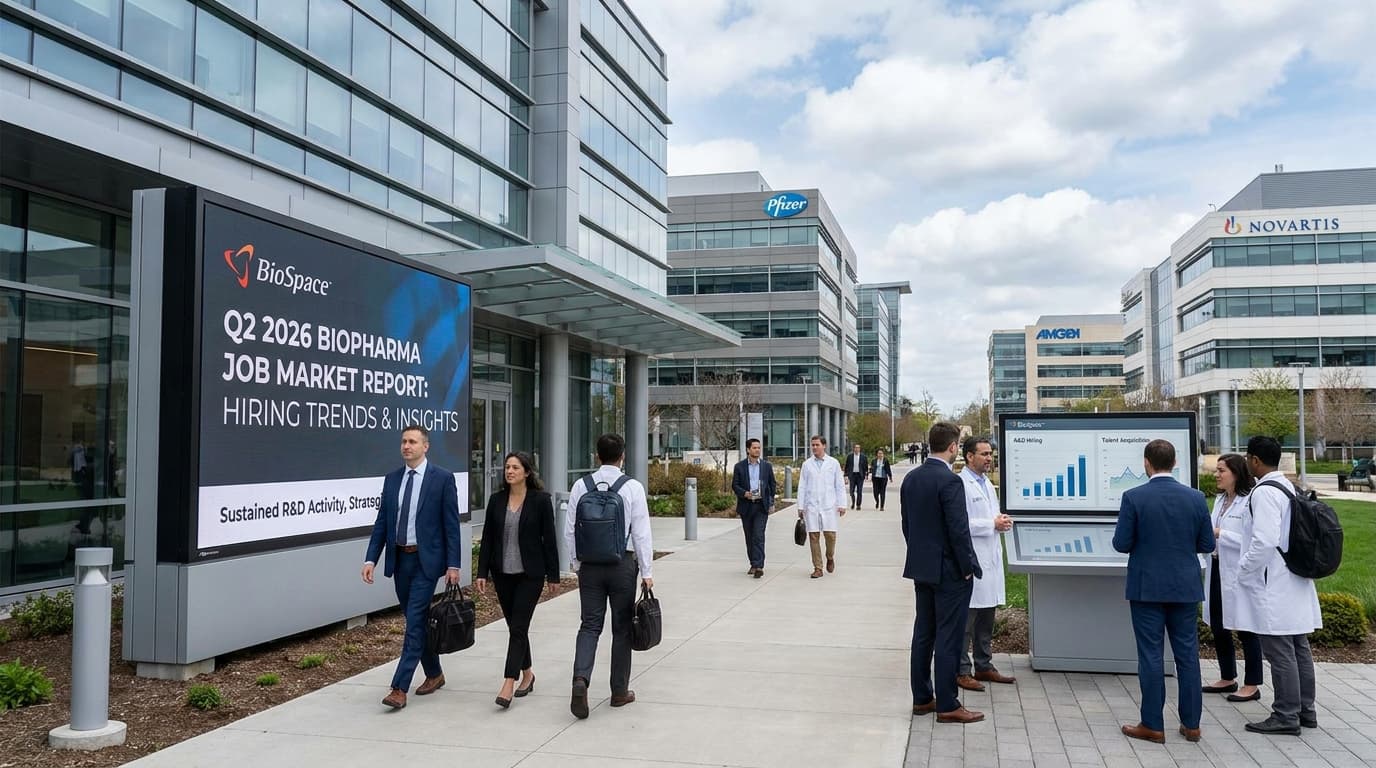
The Q2 2026 Biopharma Job Market Report, released by BioSpace, provides a detailed overview of the current state of biopharma hiring. The report highlights rising job postings, a robust R&D hiring environment, and evolving trends that are shaping expectations for talent acquisition and company restructuring going forward.
The second quarter of 2026 has marked a period of significant developments within the biopharmaceutical industry’s job market. BioSpace’s latest Biopharma Job Market Report for Q2 2026 provides an in-depth look into the state of talent acquisition, market activity, R&D hiring, and signals for future hiring demand. The report compiles data from job postings, company announcements, and broader industry activity to paint a portrait of an evolving landscape characterized by both challenge and innovation.
Rising Job Postings and Market Activity
A key trend observed in Q2 2026 is the increase in job postings across the biopharma sector. Industry observers note that this uptick reflects not only ongoing needs in traditional R&D roles, but also an expanding demand for specialized talent in regulatory affairs, data science, and digital health integration. While this growth is not uniform across all geographies and subsectors, it signals renewed confidence among employers regarding near-term project pipelines and investment.
The increase in posted positions is accompanied by a sustained emphasis on filling critical R&D roles, often seen as barometers for innovation momentum. Companies are investing strategically in personnel with expertise in advanced modalities, clinical trial management, and novel therapeutic platforms—including gene editing, cell therapies, and AI-enabled development.
Hiring Trends: R&D and Beyond
Within the broad findings of Q2 2026, R&D hiring continues to occupy center stage. Companies facing pressure to advance drug candidates through clinical phases and bring new therapies to market are racing to secure top scientific and clinical talent. This trend is largely driven by:
- Robust clinical trial pipelines: With more drugs advancing to mid- and late-stage trials, there is consistent demand for individuals adept at trial design, regulatory navigation, and managing clinical operations.
- Integration of new technologies: The convergence of biotech and digital tools—such as AI-driven drug discovery platforms—has increased the premium placed on candidates with cross-disciplinary capabilities.
- Globalization of research: Multinational projects are requiring companies to search for talent beyond traditional hubs, further intensifying competition for individuals who bring both technical expertise and cultural fluency.
Companies are also broadening their search for leaders skilled in project management, regulatory strategy, and commercial launch planning. The push for end-to-end skills in employees reflects the growing complexity of biopharma innovation and the multifaceted nature of bringing products to market.
Implications for Talent Acquisition
For talent acquisition teams, these shifting dynamics present both challenges and opportunities. The persistent shortage of specialized skillsets—particularly in cutting-edge areas such as genomics, computational biology, and advanced data analytics—means that employers are increasingly refining their value propositions to attract and retain talent.
- Compensation packages: Highly competitive salary offerings and enhanced benefits are being used to differentiate employers in a tight labor market.
- Remote and hybrid work arrangements: The pandemic’s legacy continues, with many organizations offering flexible work structures to reach a wider talent pool.
- Focus on diversity and inclusion: There is heightened awareness that diverse teams drive better science, and companies are putting increased emphasis on inclusive hiring and retention strategies.
Innovative approaches to talent acquisition and engagement are gradually becoming the norm. Hiring managers are utilizing advanced recruiting technologies to identify passive candidates, while also investing in internships and workforce development programs aimed at expanding the long-term pipeline for niche roles.
Company Restructuring and Layoffs
Despite the overall momentum, the Q2 2026 landscape is not without its turbulence. BioSpace’s report acknowledges a wave of restructuring announcements, with select firms trimming R&D or administrative headcounts in response to shifting business needs or the conclusion of major projects. These layoffs are concentrated in companies facing setbacks in clinical programs or those adjusting priorities after M&A activity.
However, the simultaneous rise in job postings suggests that, while some organizations are consolidating, the sector at large remains fundamentally strong. Talent displaced from one segment often finds opportunities in emerging areas or with better-funded companies—a hallmark of an industry that regularly reinvents itself in response to scientific discovery and commercial realities.
Market Outlook: A Climate of Cautious Optimism
The forward-looking component of the Q2 2026 report is a climate of cautious optimism. Hiring managers and executives project strong demand for cross-functional expertise and technical specialists, especially as the industry navigates an era of accelerated drug development cycles and regulatory complexity.
Several factors underpin the positive market sentiment:
- Sustained funding for innovation: Venture investment and partner funding remain robust, supporting both established players and startups.
- Global talent mobility: Easing of international hiring restrictions is widening the pool of qualified candidates worldwide.
- Emergence of new therapeutic areas: Advances in neuroscience, rare diseases, and immuno-oncology are fueling fresh waves of recruitment.
Nonetheless, factors such as regulatory uncertainty, pricing pressures, and technology transitions mean companies will remain vigilant in workforce planning.
Conclusion: Flexibility and Strategic Planning are Keys to Success
BioSpace’s Q2 2026 Biopharma Job Market Report illustrates a sector in flux but with ample opportunity for both companies and candidates. Employers must balance immediate project needs with long-term talent development, while candidates are encouraged to cultivate in-demand skills and remain adaptable to the shifting priorities of biomedical innovation.
This close tracking of employment shifts, hiring innovations, and evolving market outlooks will remain critical as the industry—driven by both science and strategy—adapts to another promising, yet unpredictable, chapter.
Join the BioIntel newsletter
Get curated biotech intelligence across AI, industry, innovation, investment, medtech, and policy delivered to your inbox.