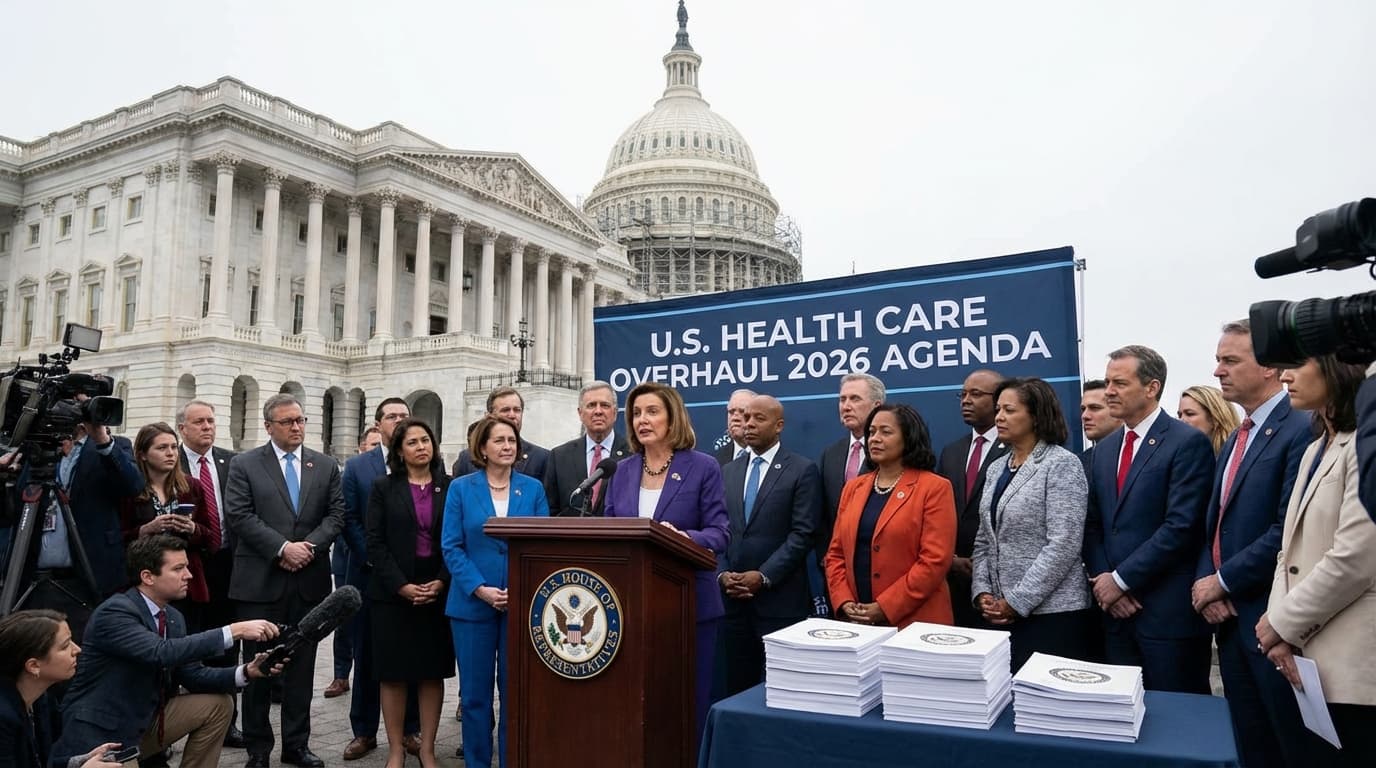
Democrats Prepare Comprehensive Overhaul of U.S. Health Care System Ahead of 2026 Midterms

The evolving political landscape in Washington is prompting Democratic lawmakers to outline a refreshed vision for health care reform. Their agenda seeks to address systemic issues, expand coverage options, and improve affordability in the context of a changing electorate.
In the lead-up to the 2026 midterm elections, Democratic leaders are actively preparing to introduce a robust overhaul of the U.S. health care system. This strategic initiative emerges against a backdrop of ongoing policy debates, persistent health disparities, and public demand for more accessible and affordable health care.
The health care overhaul plan aims to tackle multifaceted challenges including insurance market instability, high out-of-pocket costs, and coverage gaps that leave millions vulnerable. By reframing the legislative agenda, Democrats hope to address these systemic weaknesses with policies that combine expanded coverage access, cost reduction mechanisms, and enhanced quality measures.
Central to the Democrats' approach is the recognition that the health care framework must evolve to reflect contemporary economic and social realities. This includes integrating new models of care delivery, leveraging technological advancements, and supporting preventive and primary care to reduce long-term health expenditures.
Strategically, the timing of this overhaul ties closely with electoral considerations. With midterms looming, Democratic lawmakers see an opportunity to present a unified health care vision that resonates with voters concerned about their health security and financial burdens related to medical expenses.
Reform proposals include strengthening the Affordable Care Act, exploring potential options for public health insurance choices, refining drug price negotiation policies, and enhancing protections for people with pre-existing conditions. Notably, the agenda reflects lessons learned from prior legislative endeavors and seeks bipartisan engagement where feasible.
Meanwhile, demographic changes and the progressive electorate's priorities influence the policy emphasis on equity in health outcomes, maternal health, mental health services, and chronic condition management. The Democrats' comprehensive vision acknowledges the intersections of social determinants of health and advocates for targeted interventions.
Healthcare stakeholders, including providers, insurers, and patient advocacy groups, are closely monitoring these developments. The anticipated policy shifts could significantly reshape markets and influence care delivery models across the U.S.
As these plans take shape, further analyses will be essential to understand implementation pathways, regulatory frameworks, and fiscal implications. The success of such reforms will depend on navigating complex political realities and ensuring that policy design translates into tangible improvements for Americans.
This development underscores the vital role of legislative processes in shaping the future of health care and highlights the continuous evolution of health policy in response to societal needs.
Join the BioIntel newsletter
Get curated biotech intelligence across AI, industry, innovation, investment, medtech, and policy delivered to your inbox.