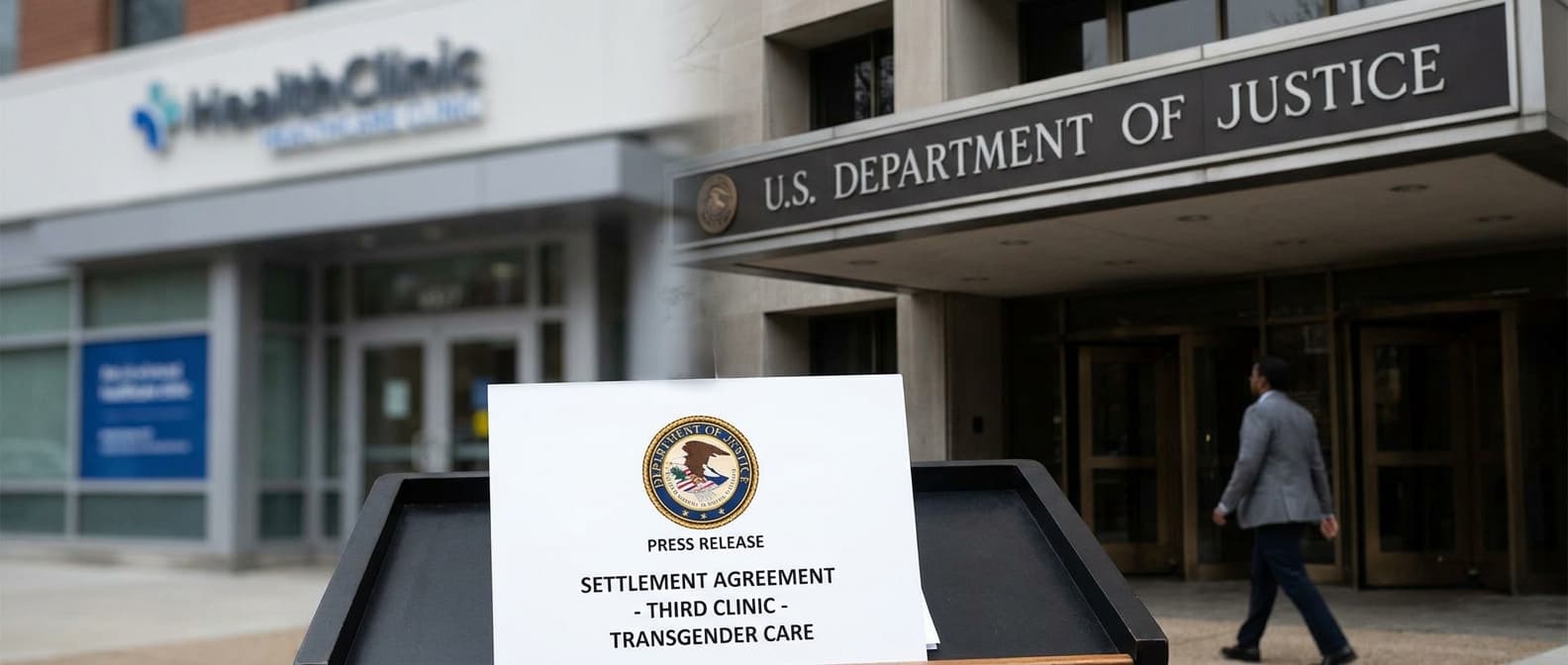
DOJ Settles with Third Clinic Over Transgender Care: Regulatory Spotlight Intensifies

In a rapidly evolving legal landscape, the Department of Justice has now obtained settlements from a third clinic over matters related to transgender healthcare services. Against the backdrop of high-profile legal cases and political debate—including actions against the U.S. organ donor network and the ongoing saga of Anthony Fauci—this article explores the implications of increased federal scrutiny and enforcement activity surrounding trans healthcare, compliance requirements, and the broader regulatory environment.
Introduction
Legal scrutiny over transgender healthcare is accelerating in the United States, with the Department of Justice (DOJ) reaching a settlement agreement with a third clinic over its management of transgender care. This development forms part of a larger regulatory push as political battles, legal actions, and changes in administrative policy unfold, drawing attention to both provider compliance and the care experiences of transgender patients nationwide. This article examines the wider context of the DOJ’s recent settlement, the landscape of trans healthcare, and related developments that are drawing national attention, including crackdowns in the organ donor network and high-profile contempt proceedings against government officials.
DOJ Action: A Pattern of Settlements and Oversight
The DOJ’s settlement with a third clinic signals a pattern of increasing federal intervention on issues at the intersection of healthcare delivery, civil rights, and medical ethics. The specific details leading to these settlements, while not all publicly disclosed, generally involve allegations of non-compliance with federal standards around care for transgender individuals. These standards may relate to anti-discrimination statutes, insurance coverage requirements, or the provision of medical services consistent with current clinical guidelines and patient rights frameworks.
The broader context for such settlements includes a spate of litigation in multiple jurisdictions, regulatory uncertainty, and growing activism from both patient advocacy groups and organizations seeking to challenge expanded access to gender-affirming care. Clinics serving transgender individuals face evolving documentation, consent, and reporting mandates alongside increased vigilance from federal regulators and politicians alike.
Regulatory Environment: Broader Legal and Political Pressures
This latest DOJ settlement coincides with ongoing law enforcement and legislative scrutiny of other high-profile healthcare issues. Notably, there have been increased efforts to crack down on perceived failures within the organ donor network, highlighting the government’s willingness to intervene administratively in clinical practices called into question for both ethical and procedural lapses.
On a related note, the political climate has been further intensified by actions against prominent figures such as Anthony Fauci, who was recently held in contempt during Congressional proceedings. While this is distinct from the issue of transgender healthcare, it demonstrates the converging legal, political, and public pressures bearing down on major healthcare institutions and leaders—a trend also being felt in the oversight of clinics providing gender-affirming services.
Transgender Healthcare: Complex Challenges and Evolving Standards
The intersection of healthcare and transgender rights has always been complex, fluctuating in response to court rulings, shifting standards of care, insurance coverage reforms, and evolving clinical understanding. Clinics are expected to deliver care that is affirming, ethical, and legally compliant, even as many states continue to update or challenge prevailing guidance around puberty blockers, hormone therapies, and surgical interventions.
Recent settlements and enforcement activity suggest a recalibration of what federal regulators expect from healthcare providers serving the transgender population. This recalibration places a premium on clear documentation, protocol compliance, and sensitivity to rapidly shifting legal standards.
Implications for Compliance and Patient Care
With each new settlement, clinics and healthcare organizations are reminded of the perils of non-compliance—not only in relation to possible civil or criminal penalties, but also to the reputational risks associated with legal actions or negative press coverage. The risk calculus for healthcare administrators must factor in evolving legal interpretations, increased scrutiny from advocacy groups on all sides, and the need to provide continuity of care to vulnerable populations whose health outcomes can be severely impacted by access barriers or interruptions in service.
As these legal settlements become more frequent, organizations are being prompted to revisit their training, documentation, and quality assurance processes. This means updating patient intake processes, consent frameworks, and insurance coding procedures to reflect current law and best practices around transgender care.
Parallel Regulatory Developments: Organ Transplant and Donor Network Investigations
The ongoing crackdown on the U.S. organ donor network underscores a broader trend: the federal government’s willingness to intervene directly in clinical operations when patient safety or rights are put at risk. Accusations of premature organ retrieval and failures in procedural safeguards have amplified concerns about regulatory gaps and oversight failures in critical areas of healthcare delivery.
The relationship between such investigations and the DOJ's actions on transgender healthcare, while not directly linked, is instructive regarding the government’s approach to high-profile, high-stakes healthcare issues. In both arenas, federal authorities are leveraging their regulatory authority to force compliance, improve standards, and protect patient rights—albeit within very different clinical and political landscapes.
Wider Healthcare Landscape: Political Fallout and Public Discourse
These developments are unfolding amid a highly polarized national conversation about medical ethics, civil rights, and government overreach in healthcare. Congressional action against figures such as Anthony Fauci, for example, has added fuel to pre-existing debates about the appropriate scope of federal oversight, the flexibility of scientific guidance, and the tension between states’ rights and national standards in healthcare delivery.
This contentious legal and political environment makes it challenging for clinics and healthcare organizations to plan and operate with certainty, particularly in specialty areas such as transgender care where policy, law, and public opinion are all rapidly evolving.
Looking Forward: Best Practices and Compliance Strategies for Clinics
Healthcare leaders seeking to navigate this uncertain landscape must prioritize robust compliance frameworks, transparent patient communication, and active engagement with both legal counsel and patient advocacy groups. Best practices now increasingly include:
- Continuous staff education on legal obligations and clinical best practices for gender-affirming care.
- Proactive audits of documentation and consent procedures.
- Regular updates to protocols to align with evolving regulatory standards.
- Establishing transparent, patient-centered communication strategies to build trust with transgender patients who may be wary of institutional scrutiny.
Conclusion
The DOJ’s latest settlement with a clinic over transgender healthcare is emblematic of a wider trend of increased federal intervention in clinical practice and patient rights. As more clinics come under scrutiny for their compliance with both healthcare and civil rights standards, the need for clear, consistent regulatory guidance and transparent operational protocols has never been greater.
Organizations must be prepared for ongoing change, new legal interpretations, and heightened political attention. For patients, providers, and policymakers alike, these developments reinforce the importance of vigilance, adaptability, and a patient-centered approach as the regulatory landscape for transgender healthcare continues to evolve.
This analysis draws upon coverage from STAT News.
Join the BioIntel newsletter
Get curated biotech intelligence across AI, industry, innovation, investment, medtech, and policy delivered to your inbox.