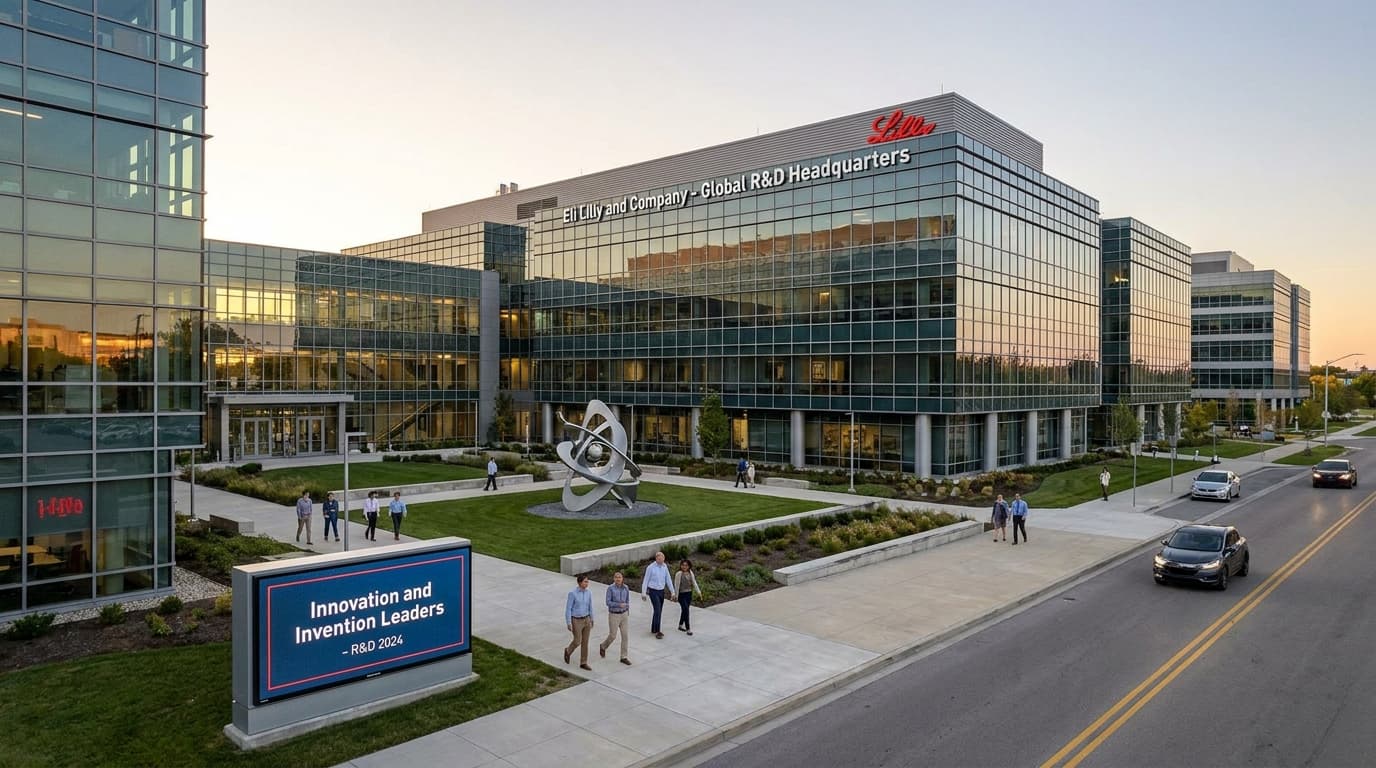
Eli Lilly Leads the Pharmaceutical Industry in R&D Innovation and Invention

The pharmaceutical industry continuously strives to innovate and invent new therapies to address unmet medical needs. Recent rankings focusing on R&D innovation and invention place Eli Lilly at the forefront, underscoring its strong research capabilities and strategic focus. This article delves into the nature of pharmaceutical innovation, explores the implications for the industry, and discusses the future outlook for drug development.
In the evolving landscape of pharmaceutical research and development (R&D), the capacity to innovate and invent new treatments is a critical determinant of success and sustainability. Recently, Eli Lilly has emerged as the leader in new rankings that assess pharmaceutical companies’ laboratories based on their innovation output and inventive capacity. This development reflects broader trends in the biopharmaceutical sector, where competition, scientific breakthroughs, and regulatory environments shape how companies prioritize their research agendas.
Understanding the Metrics: Innovation and Invention in Pharma
Innovation in pharma often refers to the development of novel drug candidates, groundbreaking therapeutic mechanisms, and transformative treatment modalities that significantly improve patient outcomes. Invention, meanwhile, pertains to the creation of new compounds, drug formulations or unique technological advances that can be patented and serve as a foundation for future therapies.
Ranking pharmaceutical labs by innovation and invention involves evaluating patent portfolios, clinical pipeline advancements, new drug approvals, and scientific publications. Such rankings provide valuable insights into which companies are pushing the boundaries of science and bringing meaningful therapeutic options closer to patients.
Eli Lilly’s Leadership Position
Eli Lilly’s prominence at the top of these rankings signifies its strategic emphasis on R&D excellence. The company’s robust pipeline spans diverse disease areas including oncology, endocrinology, neuroscience, and immunology. Their success reflects a combination of significant investment in early-stage discovery, adoption of cutting-edge technologies like AI and machine learning in drug discovery, and effective clinical development strategies.
Eli Lilly has also cultivated an ecosystem where collaboration with academic institutions, biotech startups, and other industry players enhances their innovative capacity. By blending internal research with external partnerships, the company stays agile and responsive to emergent scientific opportunities.
Implications for the Pharmaceutical Industry
Eli Lilly’s top ranking has broader implications for the pharma industry. It sets a competitive benchmark for other companies striving to balance innovation with financial performance in a challenging market environment. The pharmaceutical sector increasingly faces pressure to deliver value to patients and payers while navigating complex regulatory landscapes and patent cliffs.
Companies that prioritize innovation are better positioned to sustain growth and drive advancements in patient care. Furthermore, the emphasis on invention ensures a continuous pipeline replenishment, critical for long-term viability.
Challenges Confronting Pharma R&D Labs
Despite positive developments, pharmaceutical R&D faces several hurdles:
- Scientific Complexity: Developing new drugs for complex diseases such as neurodegenerative disorders and resistant cancers remains formidable.
- Regulatory Scrutiny: Stricter regulatory standards require substantial data to demonstrate safety and efficacy.
- Market Pressures: High costs of development and pricing pressures from governments and insurers influence investment decisions.
- Talent and Technology: Attracting and retaining top scientific talent and continually investing in new discovery technologies are imperative but costly.
Future Trends and Outlook
The pharma industry is evolving with new trends that could impact innovation trajectories:
- Digital Transformation: Expanded use of AI and digital tools accelerates drug discovery, patient stratification, and clinical trial design.
- Personalized Medicine: Tailoring therapies based on genetic and biomarker data is driving more targeted drug development.
- Collaborative Models: Open innovation and partnerships are becoming essential to leverage diverse expertise.
- Sustainability Focus: Greater attention to environmental impacts and ethical R&D practices is emerging.
Eli Lilly’s leadership on innovation and invention positions the company well to capitalize on these trends. Their progress serves as a bellwether for industry dynamics and highlights the essential role of robust R&D in evolving healthcare landscapes.
Conclusion
The recent rankings that place Eli Lilly atop pharma R&D performance underscore the company’s dedication to innovation and invention, crucial pillars of therapeutic advancement. As the industry adapts to scientific, regulatory, and market transformations, continued focus on research excellence will be vital for delivering new medicines and improving patient outcomes worldwide.
For readers interested, this analysis draws on recent reporting from STAT highlighting Eli Lilly's position in pharma R&D rankings.
Source: STAT News: Eli Lilly tops prominent rankings on pharma R&D performance
Join the BioIntel newsletter
Get curated biotech intelligence across AI, industry, innovation, investment, medtech, and policy delivered to your inbox.