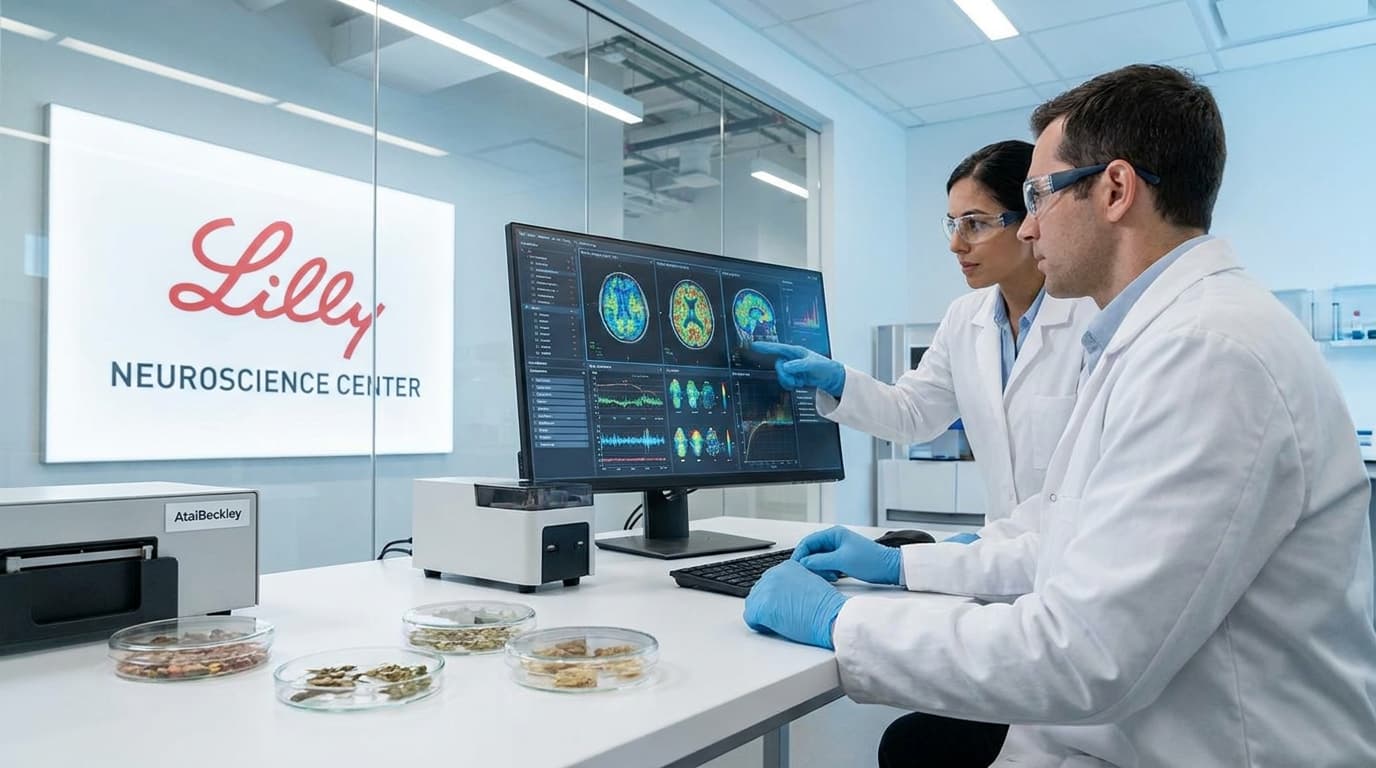
Eli Lilly’s $2.8 Billion Psychedelics Bet: Acquisition of AtaiBeckley to Expand Neuroscience Pipeline

Eli Lilly’s $2.8 billion upfront acquisition of AtaiBeckley highlights mainstream industry interest in psychedelic-based therapies for mental illness. This move significantly broadens Lilly's neuroscience portfolio and signals potential shifts in how major pharmaceutical companies approach mental health treatment innovation.
Eli Lilly has firmly positioned itself at the intersection of innovation and mental health by announcing its bold $2.8 billion upfront purchase of AtaiBeckley, a biopharmaceutical company specializing in psychedelic-based therapies. This strategic step is poised to reshape both the neuroscience landscape and the conversation around mental health drug development, as major pharmaceutical companies increasingly view psychedelics as legitimate, scalable treatments for complex psychiatric conditions such as depression.
The Context: Mainstream Biopharma Embraces Psychedelics
Psychedelics have moved from the fringes of scientific research and public discourse to the mainstream of pharmaceutical R&D. For decades, the stigma and regulatory barriers surrounding these compounds limited the scope of clinical trials and commercial investment. Yet, over recent years, mounting clinical evidence has suggested that psychedelics, when precisely formulated and administered, could deliver durable improvements for patients who do not respond to conventional treatments. This trend has catalyzed a wave of venture funding, policy reevaluation, and increasing attention from established drugmakers.
AtaiBeckley: Focus on Depression and Unmet Mental Health Needs
AtaiBeckley emerged in recent years as a focused innovator, zeroing in on psychiatric diseases that represent both immense patient need and commercial opportunity. Depression, in particular, is a global health burden for which existing antidepressant therapies deliver variable outcomes, have delayed onset of action, and in many cases fail to deliver meaningful relief. AtaiBeckley’s developmental portfolio includes proprietary psychedelic analogues and delivery systems aimed at addressing this gap.
Lilly’s Neuroscience Ambitions and Strategic Rationale
Eli Lilly’s acquisition is more than a financial transaction—it is a statement of intent about the company’s ambition in central nervous system (CNS) disorders. By absorbing AtaiBeckley, Lilly not only gains access to a suite of investigational drug candidates and an experienced research team but also signals willingness to innovate aggressively in areas often considered higher risk by traditional standards. The move follows a pattern of major pharmaceutical actors revisiting the neuroscience sector, encouraged by evolving regulatory outlooks, advances in companion diagnostics, and a reappraisal of the psychiatric drug pipeline’s financial potential.
What Does This Mean for Mental Health Treatment?
The integration of AtaiBeckley’s technologies and expertise into Lilly’s broader R&D ecosystem sets the stage for large-scale, late-stage trials and potentially expedited global development. Modern regulatory agencies are trending toward more open engagement with psychedelic therapies, especially given the limitations of existing drugs and the increasing social and economic burden attributable to untreated or treatment-resistant mental illness.
Clinical studies in recent years have suggested that psychedelic compounds may operate through novel neurobiological mechanisms—fostering neural plasticity, rebalancing affective processing, and providing fast-acting symptom relief in contrast to traditional monoaminergic drugs. As Lilly and its peers push for regulatory approval, ongoing research will likely focus on safety, optimal dosing protocols, integration with counseling/support, and long-term outcomes.
A Broader Industry Shift: Investment, Acceptance, and Competition
Lilly’s acquisition highlights a critical inflection point for the biopharmaceutical industry. With rising competition from both nimble biotech startups and other multinationals, drugmakers are racing to secure intellectual property, clinical trial capacity, and commercial know-how in this emerging segment. The acquisition of AtaiBeckley for $2.8 billion upfront does not just reflect confidence in a single drug or approach, but a belief that major change is coming to how society, clinicians, and payers view—and cover—mental health treatments.
It is expected that Lilly’s entry will accelerate further M&A and partnership activity among both public and private companies invested in psychedelic research. The ripple effects may also reach regulatory policy, health economics, patient advocacy groups, and stigma reduction campaigns, amplifying pressure for additional funding and prioritization of mental health in global health policy.
The Road Ahead: Milestones, Clinical Evidence, and Market Hurdles
While the optimism around psychedelic-assisted therapies is tangible, the field must clear several hurdles before widespread patient access becomes reality. Clinical validation at scale is a must, as are clear regulatory frameworks to support safety monitoring and practitioner training. Issues such as intellectual property, payer coverage, patient selection criteria, and real-world effectiveness will also shape the sector’s evolution.
For now, Eli Lilly’s bold move underscores an industry-wide willingness to reimagine what innovations may look like for depression and related conditions. The next few years will be critical in seeing how these therapies progress in late-stage trials, achieve regulatory milestones, and, ultimately, impact real-world clinical care and public health.
Join the BioIntel newsletter
Get curated biotech intelligence across AI, industry, innovation, investment, medtech, and policy delivered to your inbox.