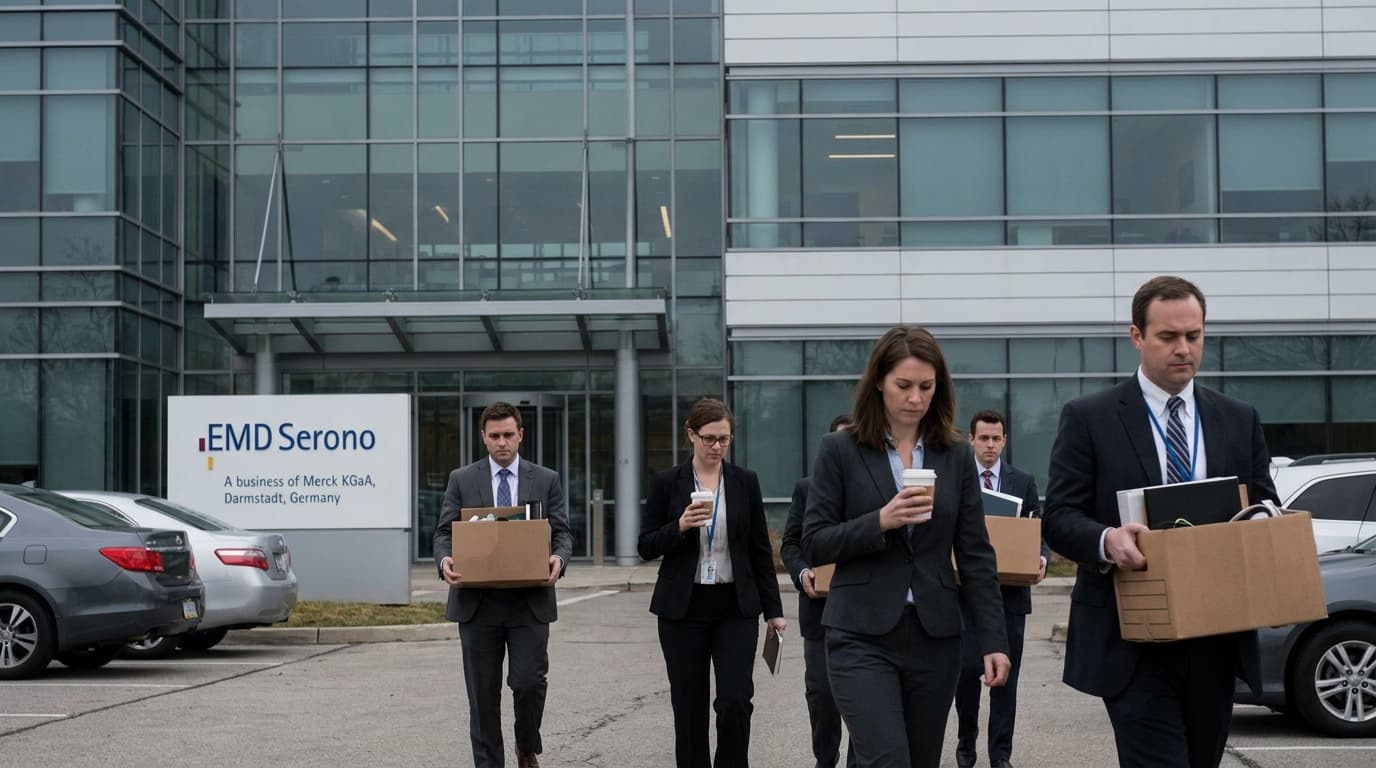
EMD Serono Trims R&D Workforce by 70: Implications for Biopharma Talent and Innovation

The recent workforce reductions at EMD Serono mark yet another sign of evolving economic pressures in the research-driven pharmaceutical industry. This development, closely tracked by industry watchers, highlights ongoing restructuring efforts and their multifaceted consequences across pharma pipelines, workforce stability, and long-term innovation.
EMD Serono's R&D Layoffs: Context and Industry Trends
On July 13, 2026, EMD Serono, a member of the global biopharmaceutical sector, announced a significant reduction in its research and development workforce, trimming 70 roles. This news, tracked by industry outlet BioSpace, lands amid an extended period of turbulence for biotech and pharmaceutical companies. The current retrenchment is more than an isolated event; rather, it is emblematic of deeper shifts in the global biopharma labor and innovation landscape.
A Climate of Consolidation and Restructuring
The pharmaceutical sector has consistently been subject to business cycles influenced by a tapestry of factors—ranging from drug pipeline outcomes and regulatory changes to shifts in payer landscapes and the global economic climate. Over the past several years, a broad range of companies, from early-stage biotech start-ups to multinational pharmaceutical conglomerates, have announced cutbacks, emphasizing the industry-wide reach of these developments. EMD Serono's decision to reduce its R&D headcount by 70 is therefore both indicative of sector-wide strains and potentially impactful for the company’s future innovation trajectory.
Job Cuts and Talent Migration in Biotech
Layoffs in the pharmaceutical and biotech industry are not a new phenomenon. They often occur in waves, sometimes in response to failed trials, regulatory setbacks, changes in strategic focus, or mergers and acquisitions. However, the current context differs due to the persistent and widespread nature of the cuts over a multi-year period since the COVID-19 pandemic reset economic assumptions in healthcare and beyond. Looking deeper, these employee reductions prompt questions about how vital talent—scientists, researchers, and drug developers—might migrate or be redeployed elsewhere in the U.S. and global innovation ecosystems.
One concern frequently raised in executive comments and industry analysis is the potential for a brain drain, as experienced researchers may exit drug research altogether or disperse across sectors, possibly slowing the pace or changing the direction of biopharma innovation. At the same time, as some companies scale back, others may see talent inflows that accelerate their own research programs. The resulting talent churn is a multifaceted phenomenon, affecting everything from lab productivity to intellectual property portfolios.
The Strategic Reasoning Behind R&D Cuts
Companies resort to workforce reductions in R&D for varied—but usually strategic—reasons. These might include:
- Shifting portfolio priorities in response to evolving scientific data, regulatory landscapes, or commercial forecasts
- Resource reallocation from higher-risk or lower-return projects to platforms with more promising shots on goal
- Cost containment in response to revenue shortfalls, pricing pressures, or rising input costs (such as clinical trial expenses)
- Globalization of R&D functions, where work may be consolidated in fewer sites or shifted to lower-cost geographies
For companies like EMD Serono, these choices reflect a balance between immediate operational needs and longer-term innovation strategies. Layoffs, while painful at the individual and group level, are often cast by management as necessary evolutions to streamline discovery pipelines, increase focus, or navigate economic headwinds.
Broader Effects: Pipelines, Partnerships, and Patient Impact
The aftermath of R&D cutbacks often extends beyond the workplace. Project terminations or delays may ripple into the company’s development pipeline, affecting both short-term clinical milestones and the medium-term horizon of new therapies. Industry observers have noted that in some cases, programs abandoned by one company due to restructuring find new life via partnership, licensing, or acquisition. Yet, others may vanish entirely, impacting patient communities waiting for novel treatments, especially in rare or underserved disease areas.
Downsizing can additionally impact cross-company collaborations, industry-academic partnerships, and even investor confidence. Stakeholders—including venture capitalists, institutional investors, and patient advocacy groups—are likely to watch how EMD Serono and similarly situated companies realign research priorities, allocate resources, and manage risk.
Talent Strategies: Supporting an Agile Workforce
In anticipation of cyclical volatility, some biotech hubs and industry consortia have set up career support resources, talent pools, and retraining initiatives. Such mechanisms are intended to soften the blow of layoffs and retain core scientific expertise within the sector. Workforce agility, retraining for adjacent fields (e.g., digital health, data analytics), and cross-sector mobility are increasingly integral to industry human capital strategies.
Industry-Wide Implications: Innovation at a Crossroads
Whether the ongoing reduction in force across biotech and pharma signals a temporary correction or a more structural shift is an open question. On the one hand, current conditions may yield a leaner, more focused innovation engine; on the other, prolonged retrenchment could suppress the sector’s overall rate of R&D productivity. Historical patterns suggest that after industry consolidation and cost-cutting, new waves of innovation often emerge, propelled by reorganized teams, freshly capitalized start-ups, or strategic pivots toward new modalities or therapeutic targets.
Conclusion: Managing Change, Preserving Progress
The recent layoff announcement at EMD Serono, as part of a broader trend in the biopharmaceutical industry, underscores pressing challenges and opportunities for companies, researchers, and patients alike. Managing the inevitable changes of a cyclical industry while sustaining the pace of innovation remains a central challenge. The coming months will show how well EMD Serono, alongside the sector at large, can navigate this transition, optimize resource deployment, and preserve the vital momentum of medical progress.
For detailed, ongoing coverage of layoffs and restructuring initiatives across the life sciences, follow industry trackers and stay attuned to developments that will help shape the next generation of therapies and technologies.
Join the BioIntel newsletter
Get curated biotech intelligence across AI, industry, innovation, investment, medtech, and policy delivered to your inbox.