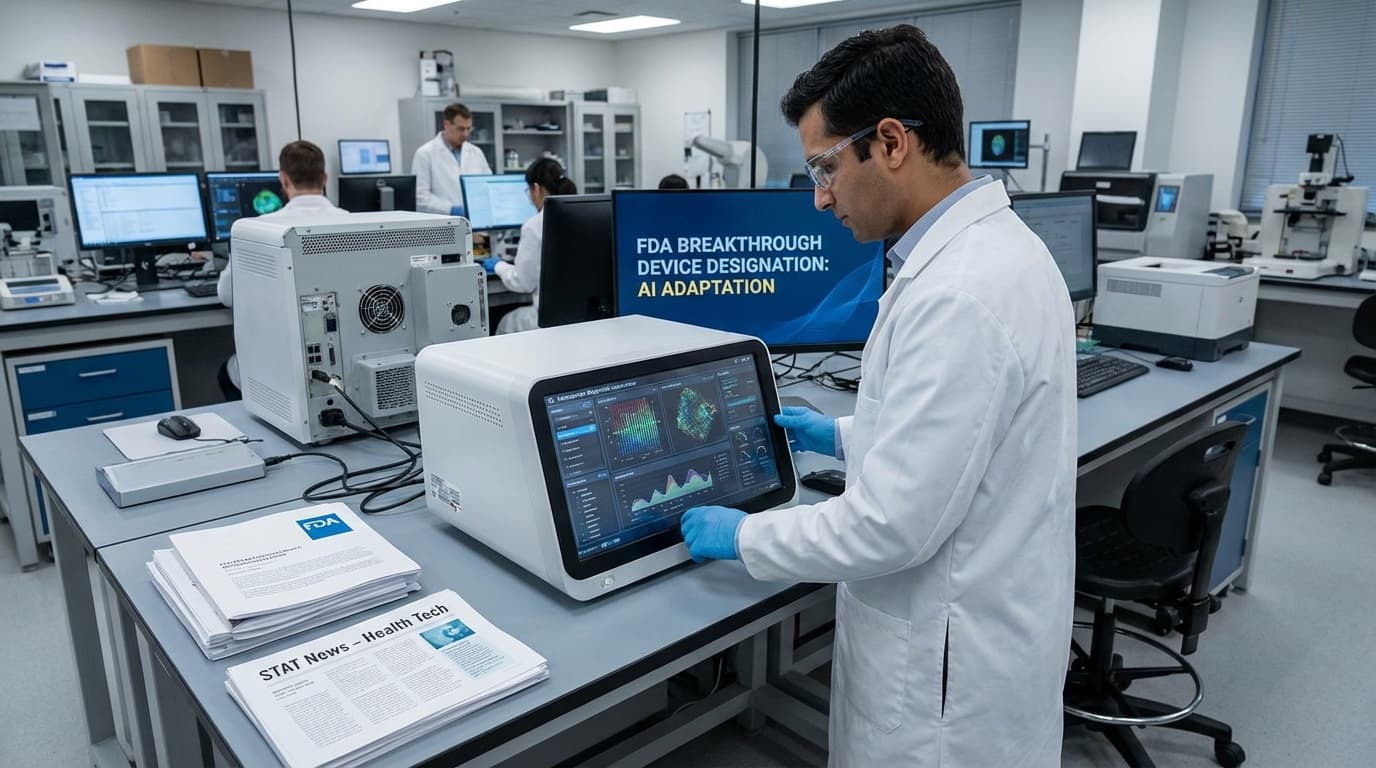
FDA’s Evolving View of Breakthrough Medical Devices in the Age of AI

As artificial intelligence increasingly transforms medical devices, the FDA is adapting its regulatory framework to address the nuances of AI-powered technologies. This post explores recent trends in breakthrough device approvals, how the agency balances innovation and safety, and what this means for the future of medical technology.
Introduction
In recent years, the medical device landscape has experienced a significant shift driven by artificial intelligence (AI) integration. The U.S. Food and Drug Administration (FDA), as the principal regulator of medical devices, has progressively evolved its criteria and strategies for assessing what constitutes a "breakthrough" device. This evolution reflects the FDA's growing understanding of the unique challenges and opportunities AI-powered devices present.
Understanding the Breakthrough Device Designation
The breakthrough device designation is a key regulatory tool designed to expedite the development, assessment, and review of medical devices that offer substantial improvements over existing technologies. Traditionally, the FDA has emphasized devices addressing unmet medical needs or providing transformative clinical benefits.
AI-powered devices, however, challenge these traditional markers due to their complex algorithms, continuous learning potential, and the broad spectrum of clinical applications they span. This necessitates a fresh perspective by regulators on evaluating innovation impact versus potential risks.
Trends in AI Breakthrough Device Approvals
An analysis of recent FDA approvals reveals a preference for AI technologies that offer comprehensive, multi-faceted clinical solutions rather than niche applications. Devices supporting diagnosis, therapeutic intervention, and long-term monitoring simultaneously tend to receive breakthrough designation more frequently.
These AI tools include advanced imaging analysis platforms, predictive analytics for patient cohorts, and ambient AI systems aiding clinical documentation. The regulator’s approach prioritizes clinically significant enhancements in patient outcomes and workflow efficiencies.
Regulatory Challenges and Adaptations
Balancing prompt access to innovative AI devices with safety and efficacy remains complex. AI systems' dynamic nature can complicate traditional validation models, prompting the FDA to develop adaptive regulatory frameworks such as real-world performance monitoring and iterative algorithm update reviews.
Moreover, transparency in AI model development, validation datasets, and performance reproducibility have become critical regulatory focal points. The FDA encourages reproducible and inspectable workflows to ensure consistent clinical reliability.
Implications for Medical Technology Development
The evolving FDA stance influences how companies approach AI device development. There is increased emphasis on integrating semantic rigor and patient-centric mastering during design phases, ensuring that devices not only achieve regulatory approval but also meaningful clinical adoption.
This shift fosters innovation ecosystems that prioritize holistic device functionality, interoperability with existing clinical systems, and patient data security.
Conclusion
The FDA’s evolving view of breakthrough medical devices in the AI era marks a pivotal transition in regulatory science. By embracing the complexities of AI technologies, the agency provides a pathway for transformative health tech innovations to reach patients safely and effectively. Stakeholders in the medical technology field must stay attuned to these regulatory trends to navigate approvals and foster impactful innovations.
Source: STAT News
Join the BioIntel newsletter
Get curated biotech intelligence across AI, industry, innovation, investment, medtech, and policy delivered to your inbox.