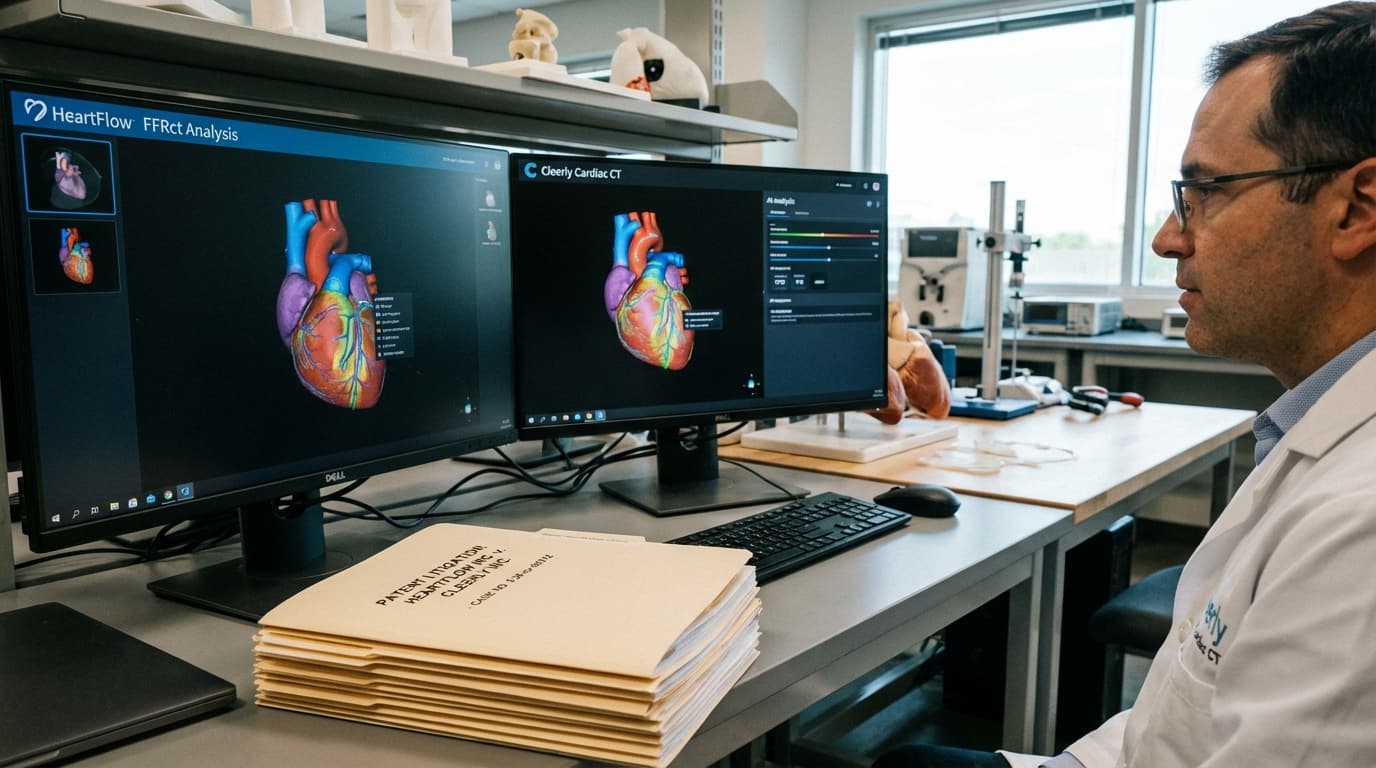
HeartFlow Files Patent Lawsuit Against Cleerly in Cardiac AI Arena

In a significant legal development within the medical technology sector, HeartFlow has accused Cleerly of infringing upon six of its patents related to AI-driven cardiac imaging tools. This lawsuit underscores the fierce patent battles occurring in the rapidly evolving cardiac AI market. As HeartFlow attempts to defend its intellectual property, the case brings to light the complexities and competitive dynamics of health AI innovation.
The competitive landscape of cardiac artificial intelligence (AI) has taken a contentious turn with HeartFlow's recent lawsuit against its rival company Cleerly, alleging infringement on six of HeartFlow's patents. HeartFlow, recognized for its innovative AI tools designed to analyze cardiac imaging, claims that Cleerly's technologies unlawfully utilize HeartFlow's intellectual property, sparking a legal dispute that resonates within the broader context of medical technology advancements.
This lawsuit highlights the high stakes present in the field of cardiac AI, a domain marked by significant investments in research and development intended to improve diagnostic accuracy and patient outcomes through advanced imaging analysis. AI applications in cardiac care are becoming indispensable, offering clinicians powerful aids in diagnosing heart disease, planning interventions, and monitoring patient progress.
HeartFlow’s accusations suggest that Cleerly has incorporated patented methods and innovations originally developed by HeartFlow, which involve sophisticated algorithms that analyze cardiac images to detect anomalies and assess disease severity. These patented technologies represent valuable intellectual assets for HeartFlow, as AI-enhanced cardiac imaging tools are increasingly recognized for their clinical utility and market potential.
Legal disputes such as this one reflect the broader challenges of managing intellectual property rights in emerging AI-driven medical technologies. The delineation of patent boundaries can often be complex given the overlapping nature of AI methodologies and the iterative development processes across competing companies.
As Cleerly pushes back against these allegations, the case may also shed light on how patent law adapts to AI innovations that blend software, data analysis, and medical diagnostics. The outcome could influence how cardiac AI companies protect their innovations and collaborate or compete in this rapidly changing field.
This legal action also sets the stage for potential implications for healthcare providers and patients who rely on AI tools for cardiac assessments. While such litigation could impact the availability of certain AI applications temporarily, it underscores the importance of fostering an environment that balances innovation incentives with fair competition.
In conclusion, HeartFlow’s lawsuit against Cleerly epitomizes the intensifying competition in cardiac AI technology development. It brings attention to the essential role that intellectual property plays in shaping the future of medical AI tools, and the legal and ethical considerations that accompany these technological advancements.
For further detailed information and updates on this evolving story, refer to the original coverage at MedCity News source.
Join the BioIntel newsletter
Get curated biotech intelligence across AI, industry, innovation, investment, medtech, and policy delivered to your inbox.