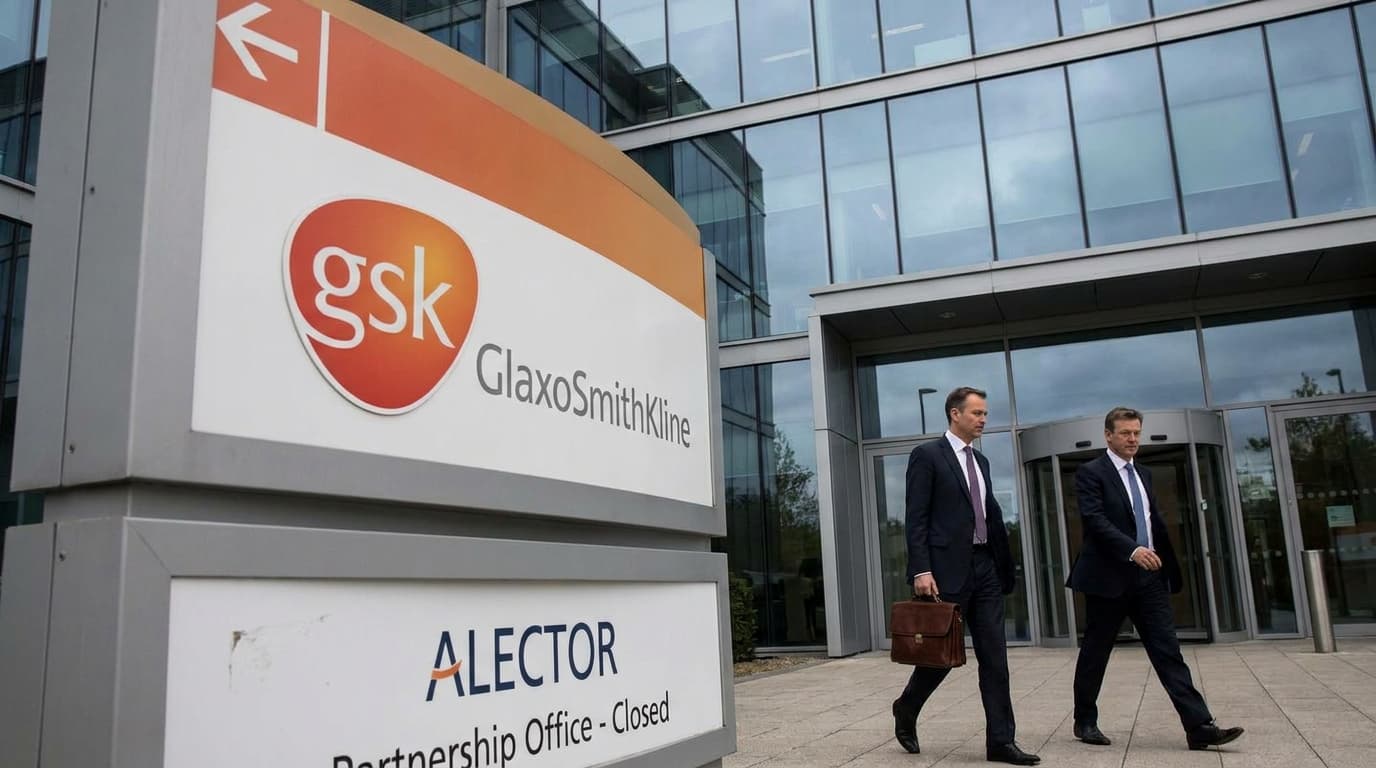
GSK Pulls Plug on Alector Partnership Following Consecutive Neurology Setbacks

In a significant withdrawal within the biopharmaceutical industry, GSK has opted to terminate its alliance with Alector, originally established to co-develop two promising antibodies targeting neurodegenerative diseases. The inability of both assets to demonstrate meaningful clinical benefit underlines the formidable obstacles inherent in neurology drug development and may reshape the landscape for both organizations.
GSK Abandons Alector After Back-to-Back Neuro Stumbles
Introduction
The biopharmaceutical sector is often marked by high-profile partnerships aimed at advancing novel therapies for major unmet medical needs. However, such collaborations are not without risks, particularly in the notoriously challenging neuroscience space. Recently, GlaxoSmithKline (GSK) made headlines by terminating its partnership with Alector following a series of notable setbacks in neurodegeneration drug development. This decision places a spotlight on the inherent difficulties pharmaceutical companies face when targeting diseases of the nervous system, and underscores the inherent volatility of the neurodegenerative disease pipeline.
Background: GSK and Alector’s Alliance
In 2021, the global pharmaceutical powerhouse GSK entered an agreement with Alector, a biopharmaceutical company specializing in immuno-neurology, to jointly develop two investigational antibodies intended for neurodegenerative diseases. The goal was ambitious: to break new ground in an area that has historically seen more setbacks than successes, especially given the complexity of nervous system disorders and their multifactorial etiologies. The hope was that leveraging GSK’s extensive drug development infrastructure together with Alector’s innovative scientific approach would yield significant progress for diseases with high societal impact.
The Two Antibody Programs: High Hopes and Subsequent Failures
The two assets that formed the crux of this partnership were designed as potential therapies for as-yet-unnamed neurodegenerative targets. Both molecules underwent rigorous clinical development in hopes of demonstrating improved outcomes for conditions that currently lack transformative therapies. The partnership, like many others in the neurology space, was built on the promise that new molecular insights and advanced biologic approaches could surmount the historic hurdles of treating brain diseases.
Yet, as the clinical trials progressed, it became apparent that these assets were not meeting their predefined efficacy benchmarks. The failure to show statistically significant clinical benefit ultimately led to the discontinuation of the collaboration. This outcome, while not uncommon in the neuroscience field, nevertheless represents a considerable setback for both organizations, with strategic, financial, and scientific implications.
Why Neurodegenerative Disease Remains a High-Risk High-Reward Field
Developing drugs for neurodegenerative diseases such as Alzheimer’s, Parkinson’s, ALS, and others remains a daunting task within the pharmaceutical sector. These diseases are characterized by progressive loss of neuronal function, complex pathophysiology involving numerous genetic and environmental factors, and, critically, the challenge of delivering therapies across the blood-brain barrier.
Failures in the neurology drug space are frequent, with many drug candidates facing attrition in late-stage clinical trials. Despite advances in molecular biology, imaging, and biomarker discovery, translating these insights into tangible therapeutic benefits has proven elusive. This stark reality is further underscored by the unrelenting rate of pipeline failures, even when robust preclinical data are in hand.
Implications for GSK
For GSK, the decision to discontinue the Alector partnership is likely shaped by a strategic re-evaluation of its neuroscience portfolio. Large multinational companies often have to balance resource allocation between high-uncertainty, high-potential areas such as neurology and more predictable, lower-risk therapeutic fields. While the specifics of GSK’s revised strategy are not disclosed, the exit from this collaboration could indicate a shift in focus or a re-prioritization of in-house assets that align more closely with its evolving business objectives.
What This Means for Alector
The dissolution of a major partnership with a global industry leader can present both immediate and long-term challenges for a smaller biotech like Alector. It often means a loss of co-development funding, diminished access to extensive late-stage infrastructure, and potential reputational impact in the investment and drug development communities. On the other hand, such an outcome can also motivate companies like Alector to double-down on innovation, pursue alternative science-driven collaborations, or refocus on pipeline diversification.
Lessons for the Broader Biopharma Community
The terminated collaboration serves as a potent reminder of the uncertainty that pervades biopharmaceutical R&D, particularly in neurology. Strategic partnerships are valuable tools for distributing risk, accessing new technological platforms, and pooling expertise, but clinical trial failures can rapidly alter the trajectory of such arrangements.
For investors and scientists alike, this case reinforces the need for cautious optimism in the face of promising preclinical or early clinical data. While neuroscience remains one of the most pressing areas of unmet need, it also remains among the highest risk for both innovators and those footing the bill for development. The GSK-Alector scenario demonstrates that even well-resourced collaborations are no guarantee of clinical or commercial success.
The Outlook
Even as GSK steps back from this particular set of neurodegenerative targets, the broader pharmaceutical industry shows no sign of retreating from the immense challenge and potential rewards of neuroscience drug development. With an aging global population and the rising prevalence of Alzheimer’s and related disorders, the societal imperative for disease-modifying therapies remains urgent. New scientific tools, such as genomics, AI-driven drug discovery, and advanced molecular imaging, continue to provide hope for future breakthroughs.
Biotech and big pharma companies are likely to continue forming collaborations and re-evaluating alliances as data readouts emerge and the scientific landscape evolves. The cycle of high-stakes innovation and periodic failure is likely to perpetuate for the foreseeable future, making the neurology drug development ecosystem a dynamic—and at times, unpredictable—arena.
Conclusion
The dissolution of the GSK-Alector partnership after two consecutive neurodegenerative program failures is a testament to both the scientific complexity and commercial uncertainty that characterizes neuroscience R&D. For the biopharmaceutical industry, it serves as both a cautionary tale and an impetus to persist, adapt, and redouble efforts to tackle some of medicine’s most difficult frontiers. As researchers sift through the lessons learned and attempt to chart new courses, patients and families worldwide continue to await the coming of novel, effective treatments for devastating brain diseases.
Source: BioSpace: GSK abandons Alector after back-to-back neuro stumbles
Join the BioIntel newsletter
Get curated biotech intelligence across AI, industry, innovation, investment, medtech, and policy delivered to your inbox.