STAT+: The hantavirus outbreak is prompting Covid flashbacks — including the conspiracies

This article explores the parallels between the hantavirus outbreak and the Covid-19 pandemic, focusing on public perception, misinformation, and the broader implications for outbreak management and communication. It examines how the laneway of conspiracy theories re-emerged amid health crisis, echoing past challenges during the global pandemic.
The resurgence of pandemic-era fears amid the hantavirus outbreak
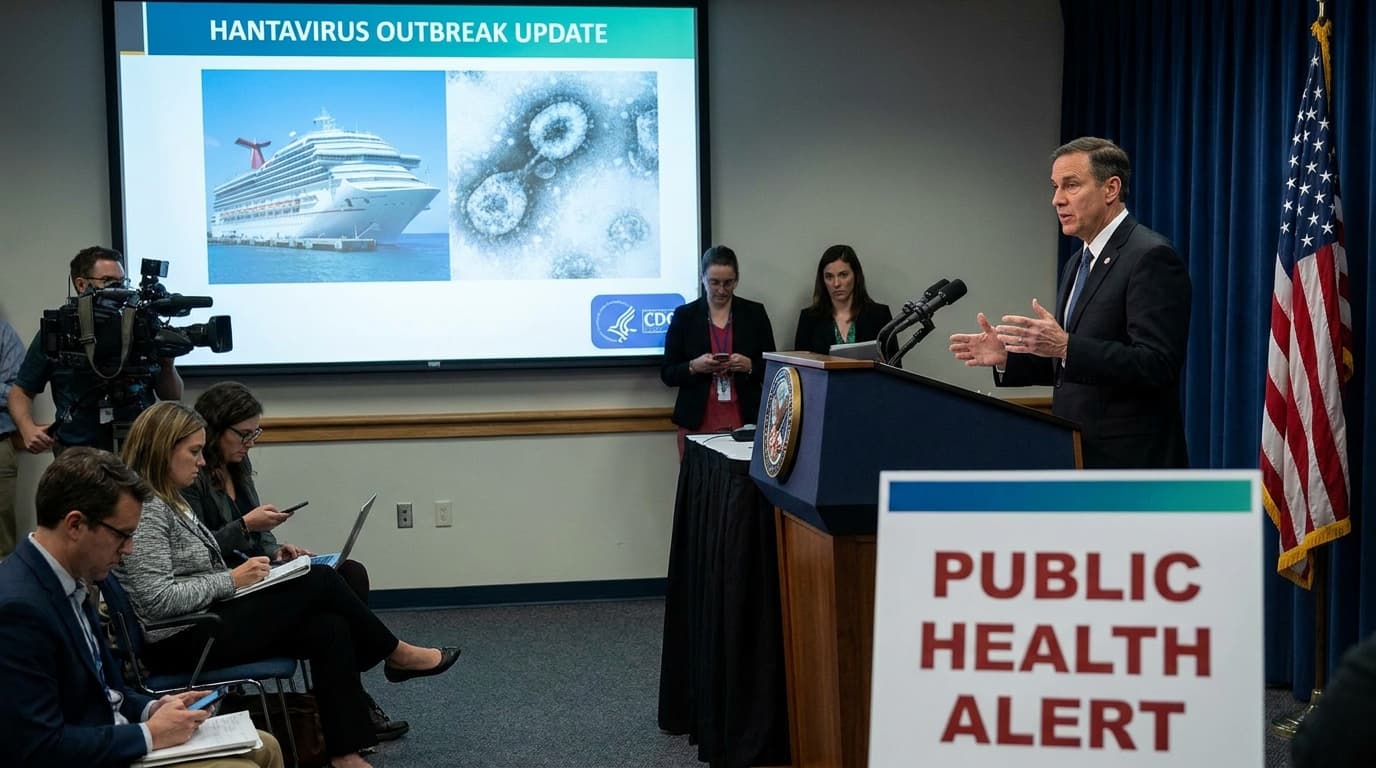
In recent days, a deadly outbreak of a rare hantavirus strain aboard a cruise ship has alarmed health authorities and the public alike. This event has not only raised immediate health concerns but also rekindled societal echoes from the Covid-19 pandemic era, prominently including the resurgence of conspiracy theories that perplexed global responses to Covid-19.
Understanding hantavirus and its outbreak context
Hantavirus encompasses a group of viruses transmitted primarily through contact with rodent excreta, which in humans can lead to severe respiratory illnesses. The recent outbreak aboard a cruise ship, a setting reminiscent of early Covid-19 cluster environments, presents logistical and epidemiological challenges for containment and public education.
The confined and social environment of cruise ships creates a unique epidemiological scenario where respiratory viruses can spread rapidly, amplifying concerns especially when dealing with unusual pathogens like hantaviruses. Despite differences in transmission methods compared to Covid-19, the outbreak context invites comparisons and shared public anxieties.
The Covid-19 parallel: public memory and conspiracy theories
The societal response to the hantavirus outbreak has been heavily influenced by collective memory of the Covid-19 pandemic. This includes the immediate suspicion and proliferation of conspiracy theories paralleling those disseminated during Covid-19. Conspiratorial narratives often involve misinformation regarding origin, spread, and even the veracity of the outbreak.
Such conspiracies complicate public health communication and response efforts, as they can lead to reduced adherence to recommended preventive measures and increased public mistrust toward health authorities. Lessons drawn from the management of Covid-19 misinformation underline the necessity of transparent, consistent, and evidence-based communication strategies.
Broader implications for outbreak preparedness and management
The re-emergence of these challenges amid a new outbreak underlines enduring issues in global and local health preparedness. Rapid information dissemination, effective risk communication, and addressing misinformation remain critical pillars for managing not only hantavirus outbreaks but also future emerging infectious diseases.
Moreover, this episode highlights the ongoing need for investment in robust surveillance systems, particularly in closed and high-risk environments such as cruise ships, hospitals, and care homes. It also raises questions about the balance between public information needs and avoiding undue panic or stigma.
Navigating the path forward
As the health community responds to this hantavirus outbreak, the experience with Covid-19 offers valuable insights. Emphasizing scientific literacy, community engagement, and transparent communication can help mitigate the impact of misinformation and foster public cooperation.
Public health agencies and officials will need to navigate these complex dynamics carefully to ensure that honest and clear messaging prevails over misinformation and conspiracy.
This situation acts as a reminder of the persistent vulnerabilities in health communication and the importance of lessons learned from previous pandemics to better prepare for future public health emergencies.
Source: STAT News
Join the BioIntel newsletter
Get curated biotech intelligence across AI, industry, innovation, investment, medtech, and policy delivered to your inbox.