How to Boost Trust in Tech? Insights from Healthcare Stakeholders at SXSW

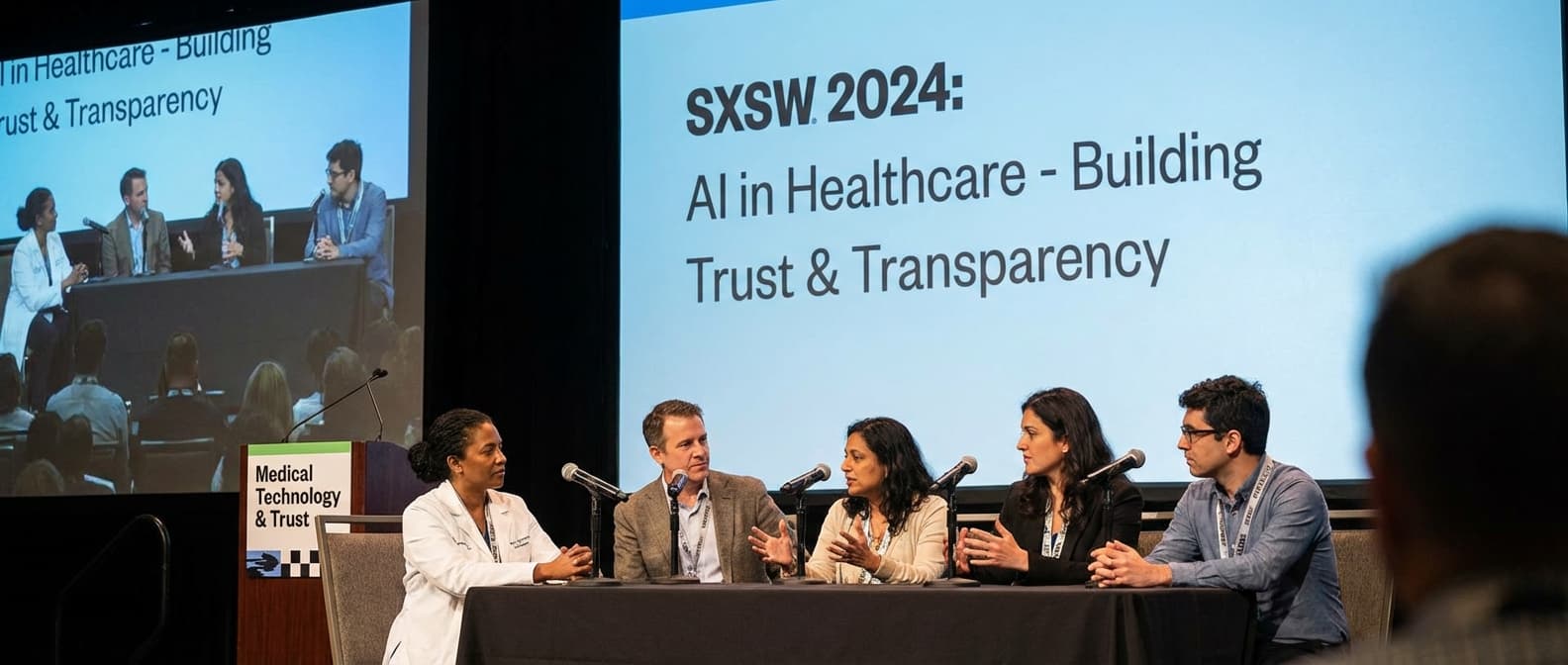
The accelerating adoption of artificial intelligence and digital technologies in healthcare has raised critical questions about trust. At SXSW, four distinct perspectives—from healthcare providers, patients, industry leaders, and technologists—highlighted how trust can be rebuilt and strengthened in this rapidly changing environment. Their insights illuminate the nuanced challenges and opportunities for trust enhancement in health tech.
Trust remains a foundational element in the adoption and effective deployment of technology, especially within the high-stakes context of healthcare. As AI and digital health technologies proliferate, the need to bolster and sustain trust among all stakeholders involved becomes paramount.
At the SXSW conference, key thought leaders from diverse sectors within healthcare came together to share their perspectives on fostering trust amid this rapid technological evolution. Their viewpoints offer a comprehensive overview of the challenges and strategies needed to ensure technologies serve to enhance patient care without compromising ethical standards or stakeholder confidence.
From the providers' vantage point, trust in technology hinges on the reliability and transparency of AI-enabled tools. Healthcare professionals emphasize the importance of having technologies that provide clear, interpretable results that can be seamlessly integrated into clinical workflows. The ability to validate algorithms through rigorous evidence-based approaches is critical to ensuring clinicians feel confident incorporating these tools into decision-making processes.
Patients, on the other hand, emphasize trust in technology through the lens of privacy, security, and empowerment. A recurring theme is the need for clear communication about how patient data is used, stored, and protected, as well as assurances that these technologies will enhance rather than complicate their healthcare experience. Patient-centric design and the ability to have agency—where patients feel in control of their health information and decisions—are vital to building trust.
Life science executives contribute a broader strategic perspective focused on the commercial and ethical implications of AI adoption. They highlight the need for responsible innovation frameworks that balance speed-to-market with comprehensive oversight to avoid pitfalls that could erode public confidence. Executives also consider trust as a critical asset in sustaining long-term stakeholder relationships, including investors, regulators, and the public.
Healthcare technologists, including AI developers and system architects, emphasize the discipline of building trustworthy systems from the ground up. This involves robust data governance, bias mitigation, and explainability features that allow end-users to understand AI-driven recommendations. They advocate for interdisciplinary collaboration and continuous validation throughout a technology’s lifecycle to sustain trustworthiness.
Collectively, these perspectives underscore that trust in healthcare technology is not static but requires ongoing, multi-layered efforts that align technological capabilities with human-centric values and transparent practices. It is clear that as AI continues to integrate deeper into healthcare, rebuilding and maintaining trust necessitates a shared commitment across the ecosystem.
This dialogue at SXSW is more than a reflection on challenges; it signals a roadmap toward technological solutions that are resilient, ethical, and embraced by all stakeholders. The event reinforces the imperative that trust must be intentionally designed, cultivated, and maintained for technology to realize its full potential to improve health outcomes globally.
Source: How to Boost Trust in Tech? 4 Perspectives from SXSW
Join the BioIntel newsletter
Get curated biotech intelligence across AI, industry, innovation, investment, medtech, and policy delivered to your inbox.