Methadone Clinics Adopted 2024 Flexibilities Unevenly, As Survey Points To Higher Retention

The 2024 rule changes were meant to do more than alter paperwork for opioid treatment programs; they were meant to change how clinics and state overseers think about control, access and patient autonomy. What is emerging now is a mixed picture in which operational change appears real at many sites, but proof of a full cultural shift remains incomplete.
Two years after the federal government overhauled the rules governing methadone clinics, available evidence suggests a meaningful share of opioid treatment programs have loosened daily attendance requirements, expanded take-home medication and become less likely to tie counseling to continued access to methadone. The policy question now is not whether the 2024 changes mattered, but how broadly clinics and state regulators have actually implemented them.
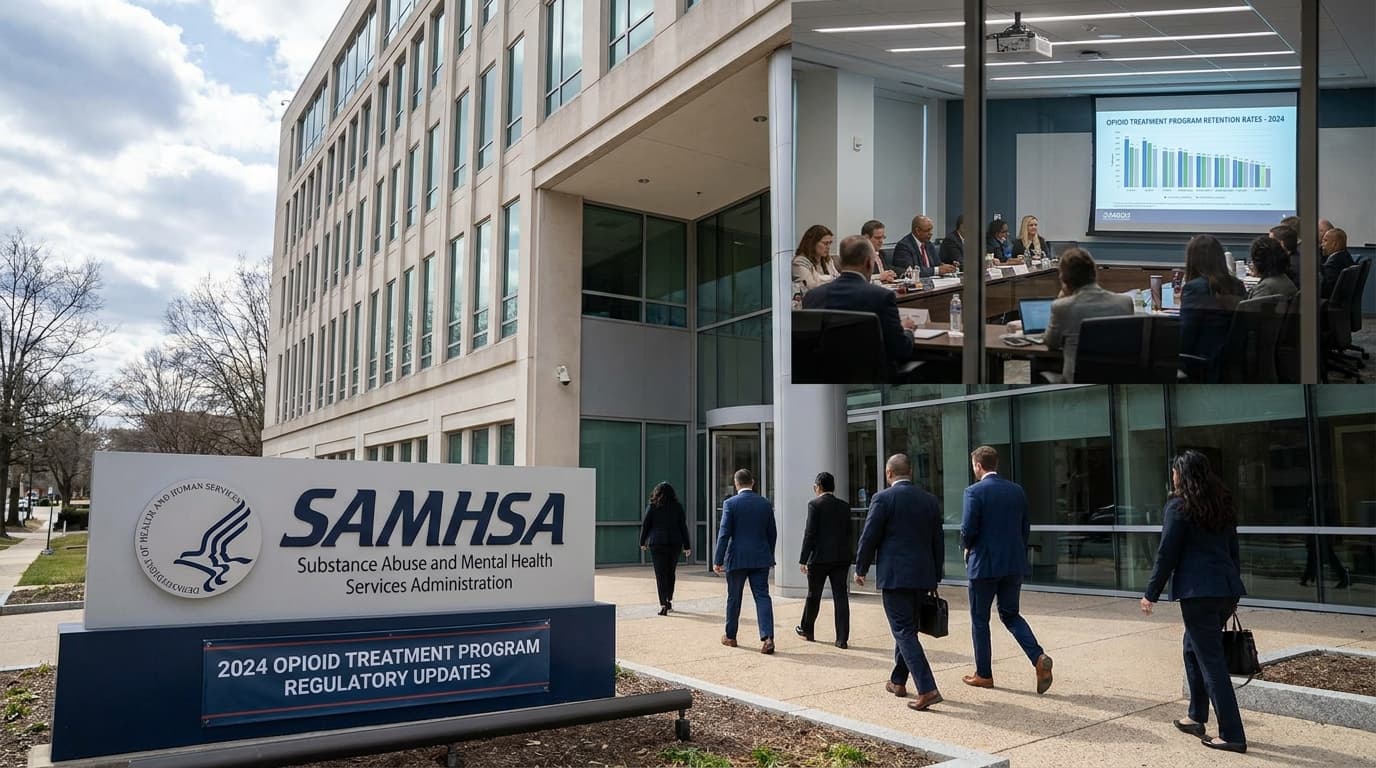
Speakers on a recent Substance Abuse and Mental Health Services Administration webinar described notable uptake. Mark Parrino, president of the American Association for the Treatment of Opioid Dependence, said more than 75% of programs have provided more take-home medication and said treatment retention has significantly increased. Dustin Mets, CEO of Ohio-based behavioral health clinic CompDrug, reported that the share of patients still in treatment three months after first seeking care increased an average of 17% following implementation of the changes.
What changed
Methadone remains one of the most effective medications for opioid addiction, but the treatment system has long been separated from the rest of American medicine. Historically, patients often had to appear in person every day for dosing, creating obvious barriers for people with jobs, caregiving responsibilities or long travel times.
That structure began to loosen in 2020, when the Substance Abuse and Mental Health Services Administration allowed clinics during the Covid-19 pandemic to give weeks’ worth of take-home doses. The 2024 regulations made many of those flexibilities permanent and also emphasized that counseling should be offered but not required as a condition of receiving medication.
The guidance went further than take-home dosing. It recommended using drug testing as one factor in clinical decision-making instead of automatically revoking take-home privileges or punishing patients who test positive for heroin or fentanyl. It also removed two older eligibility rules: one requiring patients to have been addicted to opioids for more than a year before entering treatment at a methadone clinic, and another requiring them to have tried and failed other treatment approaches twice before admission.
What the early data show
The most-cited evidence so far comes from a survey conducted by the American Association for the Treatment of Opioid Dependence and the National Association of Addiction Treatment Providers. Responses came from 241 clinics, representing just over 10% of opioid treatment programs nationwide.
Within that group, more than 70% had adopted at least half of the recommended practice changes. Those included broader access to take-home medication and higher starting doses, both intended to reduce withdrawal and lower the chance that patients continue using illicit substances. Roughly two-thirds of state opioid treatment authorities had also adopted the shift away from making counseling effectively mandatory, according to the survey.
Federal officials and some clinic leaders argue the results reflect a genuine change in provider behavior. Mets said programs are becoming more comfortable exercising discretion around safety, patient preference and other clinical factors, rather than relying on physical attendance as the marker of engagement. In that view, the 2024 rules are pushing methadone care away from compliance-based routines and toward a more conventional medical model.
Why the picture remains contested
The caution is that the available data are limited and may not represent the field as a whole. Aaron Ferguson, a longtime leader in the Liberate Methadone movement, argued that the survey may be skewed toward clinics that were already enthusiastic about reform and therefore more likely to respond. He said he believes many of the larger providers have not been proactive in implementing the changes and called the SAMHSA-backed picture a misrepresentation of the field by and large.
He also pointed to geographic variation, suggesting clinics in states with more progressive methadone clinic cultures, including New York, may be moving faster than providers elsewhere. That possibility is important because the 2024 reforms depend not just on federal permission, but on whether state overseers and clinic operators are willing to use the discretion they now have.
The strategic signal is that methadone reform has entered a more difficult phase. The federal government has already rewritten the rules. What determines access now is execution: whether clinic chains, independent programs and state authorities normalize take-home flexibility, nonpunitive drug-testing policies and voluntary counseling at scale. Early reports suggest that change is underway, but they do not yet prove that a historically rigid treatment system has broadly remade itself.
Join the BioIntel newsletter
Get curated biotech intelligence across AI, industry, innovation, investment, medtech, and policy delivered to your inbox.