A New Health Care Blueprint From a Key Democratic Think Tank Targets Affordability

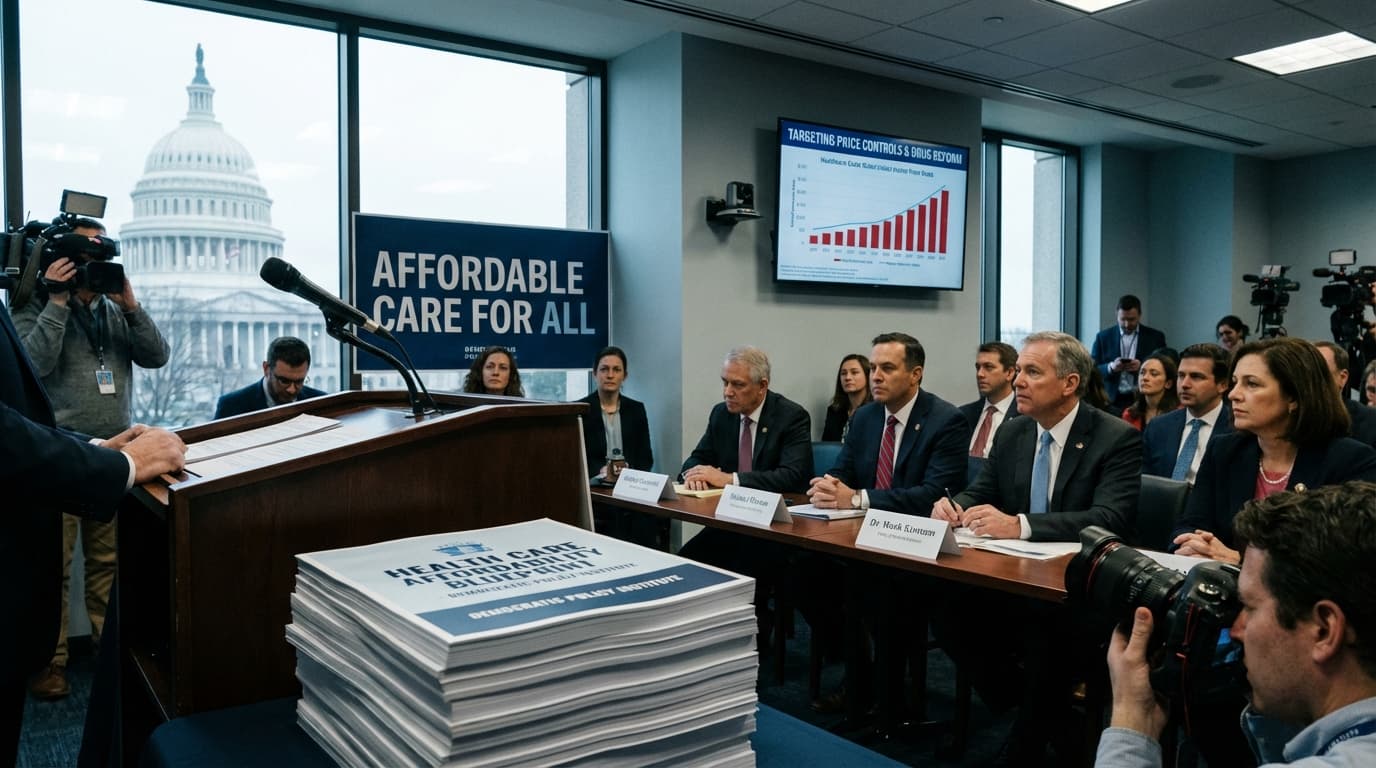
As health care costs continue their upward trajectory, a prominent Democratic think tank has introduced an ambitious plan to tackle affordability. This blueprint aims to reshape health policy by addressing key cost drivers and proposing actionable reforms. The move signals a strategic push by Democrats to prioritize health care affordability ahead of forthcoming political contests, reflecting growing public demand for accessible and sustainable health services.
Introduction
Amid steady increases in health care costs that burden American families and strain public resources, a pivotal Democratic think tank has released a comprehensive health care affordability blueprint. This plan emerges as a response to the escalating challenges facing the U.S. health system, spurred by persistent inflation in medical expenses, drug prices, and administrative costs. By focusing policy efforts on affordability, Democrats seek to shape a sustainable path forward at a time of heightened political sensitivity around health care.
Political and Economic Context
The United States boasts one of the highest health care expenditures globally, yet many citizens report difficulties accessing affordable care. Rising premiums, out-of-pocket expenses, and drug costs place a heavy financial burden on individuals and families, exacerbating economic inequality and health disparities. The new blueprint aligns with broader Democratic goals to expand access, enhance value, and rein in explosive cost growth, all balanced within the political realities of legislative negotiation and stakeholder interests.
Components of the Blueprint
The think tank’s plan draws on a multifaceted approach, cutting across several domains:
- Price Controls and Caps: Proposing limits on excessive charges by hospitals and insurers to directly moderate out-of-pocket expenses and premiums.
- Drug Pricing Reform: Advocating for enhanced government negotiation powers and transparency in pharmaceutical pricing to reduce the cost of medicines.
- Administrative Simplification: Seeking to streamline billing, authorization, and claim processes to reduce wasteful spending.
- Promotion of Preventive Care and Chronic Disease Management: Encouraging investment in early intervention and integrated care models to prevent costly complications.
Each of these elements targets systemic inefficiencies that cumulatively drive up costs, aiming for both immediate financial relief and long-term sustainability.
Stakeholder Perspectives
The blueprint invokes diverse responses across the health care ecosystem. Patient advocacy groups generally welcome renewed attention on affordability but demand inclusive policies that address social determinants of health. Providers express cautious optimism, noting the potential to reduce administrative burdens but voicing concerns about price controls affecting revenue. Insurers scrutinize the proposals’ technical and economic impacts, particularly on market dynamics and innovation incentives. Pharmaceutical companies acknowledge the need for reform yet caution against stifling research investment.
Implications and Challenges
Implementing such a blueprint requires navigating complex regulatory frameworks, entrenched interests, and divergent political priorities. Challenges include:
- Aligning federal and state policies to ensure consistency and effectiveness.
- Balancing cost containment with preserving access to cutting-edge treatments.
- Managing industry pushback and negotiating bipartisan support.
Moreover, precise measurement and monitoring mechanisms will be critical to assess impact and guide adaptive policymaking.
Future Outlook
This blueprint signals a renewed commitment to addressing one of America's most pressing health challenges. Success hinges on translating strategic recommendations into pragmatic policies and mobilizing cross-sector collaboration. Given the evolving health care landscape, ongoing innovation in care delivery, financing, and technology integration will complement policy reforms to improve affordability.
Conclusion
The affordability blueprint from the Democratic think tank represents a thoughtful, comprehensive proposal to confront escalating health care costs. It reflects the intersection of political will, evidence-based policy design, and societal demand for accessible care. While significant hurdles remain, this initiative lays foundational work for advancing a more equitable and sustainable health care system.
Source: STAT+: A new health care blueprint from a key Democratic think tank
Join the BioIntel newsletter
Get curated biotech intelligence across AI, industry, innovation, investment, medtech, and policy delivered to your inbox.