STAT+: A new mystery emerges about Epstein’s involvement in Harvard genetics study

The involvement of controversial figures in scientific research has always attracted scrutiny. The recent disclosure about Jeffrey Epstein's alleged participation in a genetics project at Harvard places spotlight on research protocols, consent validity, and institutional oversight. This post examines the implications and surrounding facts of this emerging mystery.
The intersection of scientific research and ethical scrutiny often becomes pronounced when controversial figures enter the discourse. Recently, a new mystery surfaced involving Jeffrey Epstein and his possible involvement in a Harvard genetics study, specifically within the Personal Genome Project, a well-known initiative aimed at advancing genomics through open data sharing and research participation.
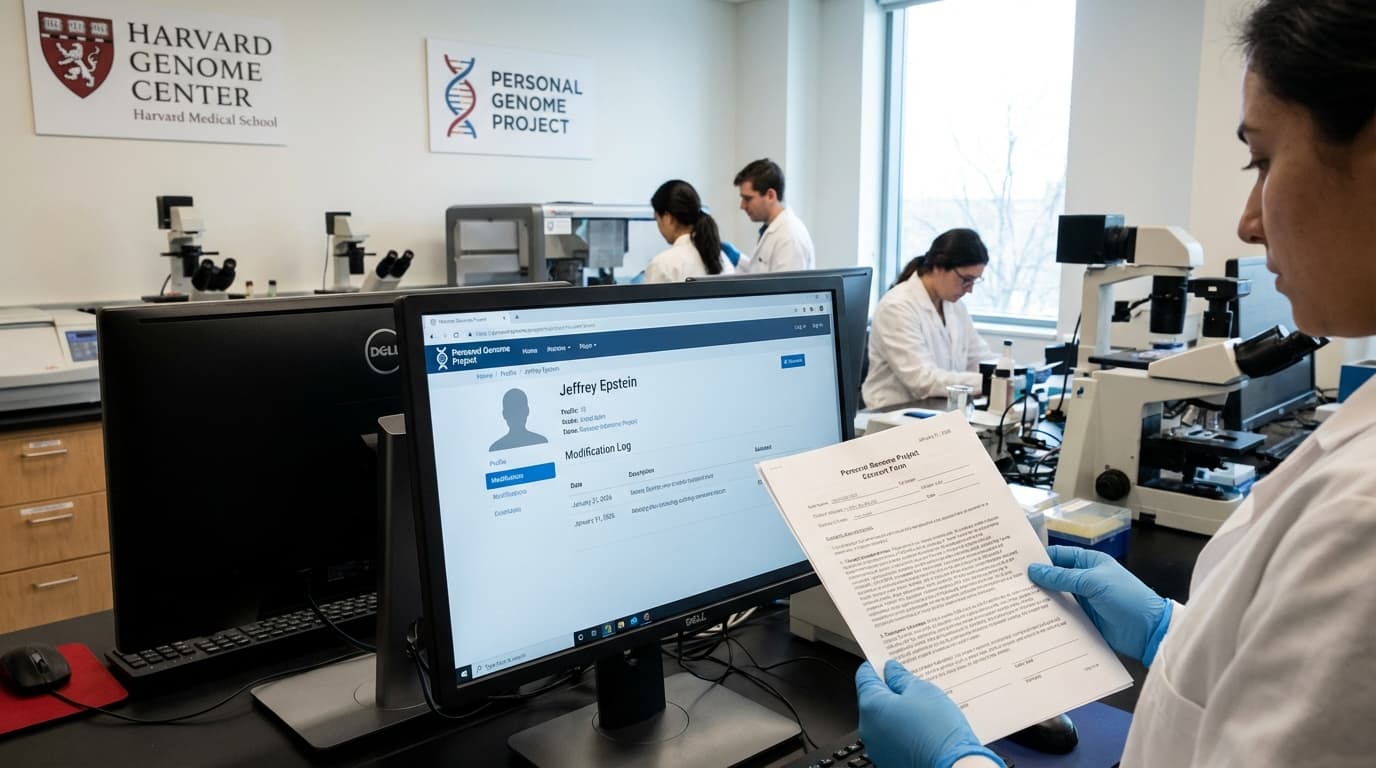
According to a report published by STAT+, alterations were found on the Personal Genome Project’s profile page believed to be that of Epstein. Notably, the page was modified to indicate that Epstein had provided consent to join the study on January 31, 2026. While the Personal Genome Project has historically championed transparency and data accessibility, this new development introduces significant questions relating to the integrity of the research, the processes ensuring valid consent, and the governance mechanisms around participant inclusion.
Background on the Personal Genome Project
The Personal Genome Project (PGP) was initiated with the goal of enabling open sharing of genomic, environmental, and trait data to accelerate medical research and personalized health insights. Participants voluntarily contribute detailed genetic and health information, consenting to public availability of their data. Harvard has been a leading institution in this endeavor, seeking to expand the dataset for broader research utility.
Jeffrey Epstein’s Controversy and Relevance to Genetics Research
Jeffrey Epstein, a financier and convicted sex offender, was connected to numerous high-profile controversies. His association with prestigious academic scientists, including at Harvard, has drawn suspicion and criticism. The suggestion that Epstein may have been enrolled in a sensitive genetics study raises immediate ethical concerns, particularly around informed consent and the potential misuse of genetic data.
The Nature of the Alteration and Its Implications
The modification of the online profile to retroactively indicate Epstein’s consent poses several implications:
-
Consent Authenticity: Was Epstein’s consent genuinely obtained? If yes, under what circumstances? If no, this signals a breach of research ethics.
-
Institutional Oversight: How did Harvard and the PGP not only allow such an inclusion but also permit the profile change without transparent notification? This questions institutional governance.
-
Data Integrity and Trust: The credibility of the Personal Genome Project hinges on participant trust and data authenticity. Alterations to enrollment records undermine confidence among participants and the public.
-
Legal and Ethical Ramifications: Epstein's involvement in research posthumously or under dubious conditions may invite legal scrutiny and calls for policy revision.
Broader Impact on Genetic Research Ethics
This incident highlights broader issues faced by the genetics research community:
-
Enhanced Consent Protocols: There is a need for more robust procedures ensuring participant understanding and valid consent, especially in open data projects.
-
Transparency in Data Handling: Clear transparent policies about participant inclusion, data changes, and profile updates must be communicated publicly.
-
Accountability Mechanisms: Institutional accountability measures need reinforcement to prevent misconduct or unauthorized data manipulation.
-
Public Perception and Trust: The case reflects how public trust can be fragile, influencing participation rates and support for genetics research.
Future Considerations and Potential Investigations
The discovery invites deeper investigation:
-
Verification of Consent: Independent audit of consent records to confirm authenticity.
-
Review of Data Governance: Examination of protocols for profile and data modifications within the project.
-
Clarification from Harvard and PGP: Official explanations and corrective measures to maintain transparency.
-
Policy Development: Possibly initiating stricter ethical guidelines for participant vetting and data integrity assurance in genomics initiatives.
Conclusion
The newly emerged mystery regarding Jeffrey Epstein’s alleged involvement in the Harvard genetics study serves as a critical reminder of the ethical challenges embedded in modern biomedical research. Trust, transparency, and rigorous ethical compliance remain foundational pillars. This ongoing story warrants close attention as it evolves, with the potential to influence future practices in genetic research consent and institutional oversight.
For more detailed information and developments on this topic, refer to the original STAT+ report published on March 4, 2026.
Source: STAT+ article on Epstein and Harvard genetics project
Join the BioIntel newsletter
Get curated biotech intelligence across AI, industry, innovation, investment, medtech, and policy delivered to your inbox.