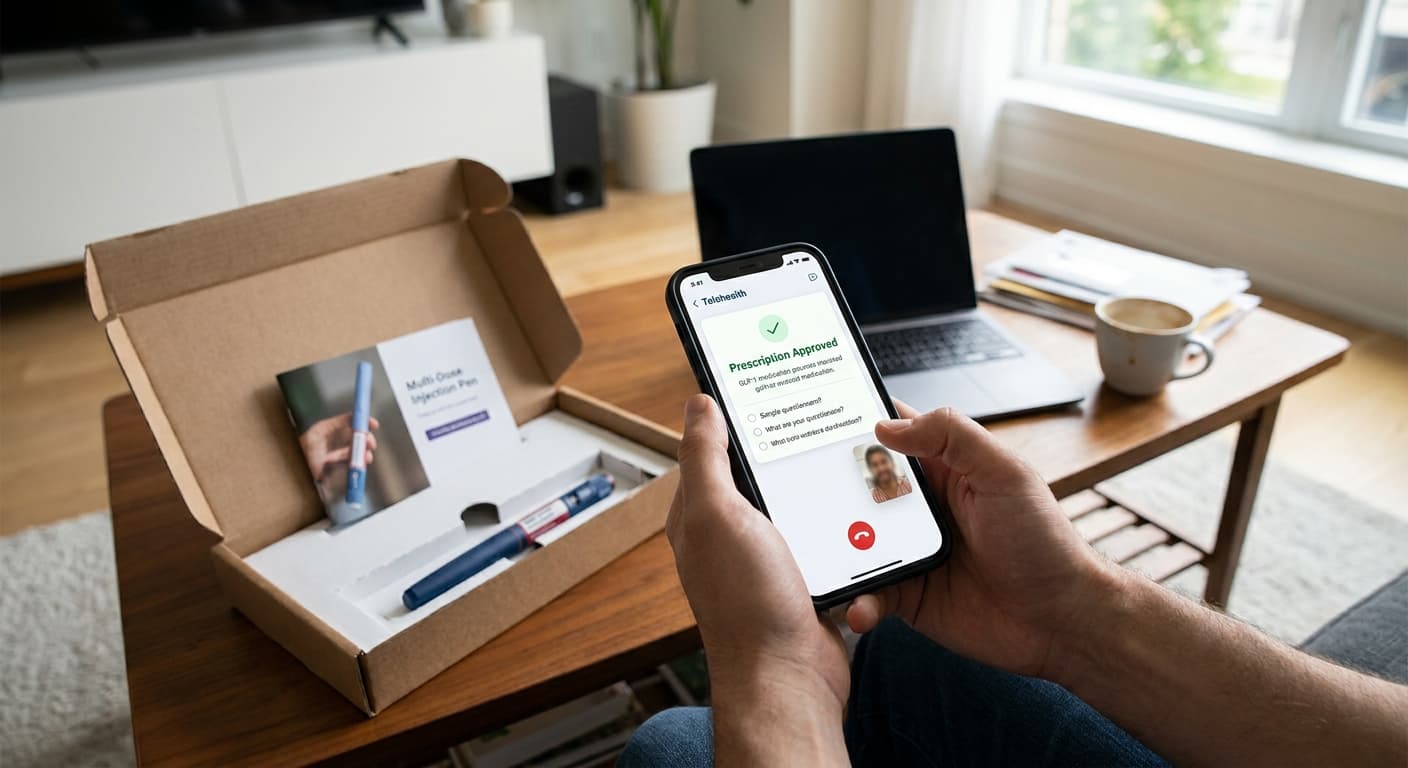
Online GLP-1 Prescriptions: Fast, Easy, and Lacking Clinical Oversight?

GLP-1 weight-loss drugs are surging in popularity, and the convenience of telehealth has only accelerated demand. But, as a recent study reveals, convenient online prescriptions may be coming at the cost of robust clinical oversight, potentially exposing patients to avoidable risks. This in-depth analysis explores the findings, implications for patients and providers, and the evolving landscape of digital health regulation.
The emergence of GLP-1 receptor agonists has rapidly shifted the landscape of obesity and metabolic care. Drugs in this class—such as semaglutide and tirzepatide—have not only captured pharmaceutical market share for their efficacy in weight management and diabetes care but have also become household names, thanks in part to their high-profile endorsements and widespread media coverage. As these pharmaceuticals gain traction, so too has the model for acquiring them changed, with telehealth prescriptions offering new levels of convenience for patients eager to manage their health, weight, or chronic disease—sometimes with little more than a quick online consultation.
A recent secret-shopper study, spearheaded by academic investigators and covered by STAT News, suggests that this convenience may have unintended consequences. The study found that many telehealth sites are prescribing GLP-1 drugs with minimal—or in some cases, insufficient—clinical oversight, raising concerns about patient safety and the quality of care delivered through these platforms. This in-depth report explores the study’s findings, contextualizes the issues within broader trends in digital healthcare, and considers what comes next for regulators, clinicians, and patients alike.
The GLP-1 Boom: A Perfect Storm for Online Prescribing
GLP-1 drugs have experienced remarkable growth in both demand and prescription volume. With effective results for weight loss and glycemic control, millions of Americans now seek these drugs out, sometimes bypassing traditional routes of care in favor of more convenient telehealth offerings. The COVID-19 pandemic only accelerated this shift, as telemedicine regulations were relaxed, and consumers became more comfortable with remote care technology.
But while telehealth has helped to bridge access gaps and reduce barriers to treatment—especially for those with limited mobility, busy schedules, or living in healthcare deserts—questions now arise as to whether these platforms are fully equipped to maintain appropriate clinical standards in an era of unprecedented scale and commercial pressure.
Anatomy of the Secret-Shopper Study
The “secret-shopper” methodology, a staple in health policy research, helps uncover how healthcare processes unfold for real patients in real-world settings. In this study, researchers posed as prospective patients seeking GLP-1 prescriptions from a variety of telehealth companies. They meticulously documented their interactions, the recommendations they received, and the presence or absence of standard clinical protocols—such as prerequisite lab testing, in-depth patient history evaluation, and consistent follow-up.
Key Findings
The results were sobering. Many telehealth platforms dispensed GLP-1 prescriptions with minimal verification of medical history, often relying heavily on self-reported data from patients without meaningful cross-verification or diagnostic workup. In some cases, medical reviews were cursory at best; some platforms prescribed these powerful drugs based on a short questionnaire and little or no synchronous interaction with a licensed clinician.
Most notably:
- Clinical Oversight Was Often Minimal: Many prescriptions were granted without face-to-face or video consultation, with decisions made on the basis of algorithms and patient-entered data.
- Lab Testing Frequently Overlooked: Routine labs, which can be critical to detecting contraindications or baseline risk factors (e.g., thyroid or pancreatic issues), were rarely ordered.
- Follow-Up Plans Lacked Rigor: Few companies ensured robust follow-up, with some offering only automated check-ins or heavily templated messaging.
- Red Flags Not Routinely Identified: Potential warning signs—such as contraindicated medications, prior adverse reactions, or diagnoses that could affect GLP-1 safety—were not consistently flagged or investigated by providers.
Implications for Patient Safety and Healthcare Quality
The prospect of obtaining GLP-1 medications in an “on-demand” fashion, while meeting consumer preferences for speed and comfort, may inadvertently be putting patients at risk. Researchers warn that without careful screening, appropriate lab work, and follow-up, telehealth prescriptions of these drugs could lead to missed diagnoses, drug interactions, and adverse events that would have been detected under more traditional models of care.
The Risks of Clinical Oversight Shortfalls
- Missed Adverse Drug Interactions: GLP-1 drugs interact with a range of medications and pre-existing conditions. Short-circuiting traditional clinical workflows may delay recognition of these risks until complications arise.
- Delayed Diagnosis of Underlying Disease: Obesity and diabetes often coexist with complex comorbidities, including endocrine or cardiovascular disorders. A superficial telehealth assessment may miss these, leading to inappropriate or dangerous prescribing.
- Inadequate Patient Education: Rapid-fire prescribing models may leave patients ill-informed about potential side effects, correct administration, required lifestyle changes, and warning signs to monitor after therapy begins.
- Equity and Access Concerns: While telehealth can expand access, it can also foster a “two-tiered” system where those willing (or able) to pay out-of-pocket for convenience receive faster, but riskier, care. Patients from marginalized populations may be disproportionately exposed to inadequate oversight if telemedicine regulation lags behind market adoption.
Regulatory and Ethical Dimensions
The rapid growth of direct-to-consumer telehealth is straining existing oversight mechanisms. Policymakers face a difficult balancing act: maximize access and innovation, while minimizing the “Wild West” nature of some digital health business models.
Many of the telehealth companies implicated in the study operate across state lines, sometimes leveraging regulatory ambiguities to sidestep state medical board oversight. Inconsistent application of telemedicine standards may allow subpar clinical practices to persist undetected—especially when prescription volume is driven by demand more than clinical judgment.
Ethically, the tension between access and safety is acute. While declining to provide remote access to GLP-1 medication would likely slow treatment (and may exacerbate health disparities), unchecked prescription can, paradoxically, create a new form of inequity: one where the poorest-quality care is delivered digitally, to those least equipped to distinguish good medicine from bad.
Telehealth Companies, Incentives, and Pressure to Prescribe
A deeper analysis suggests that the business model underpinning many of these platforms may unintentionally incentivize rapid prescribing. Companies may face pressure to maintain high customer satisfaction, “close the sale,” and keep up with rising demand—or risk losing market share. The effect can be a channel in which the “path of least resistance” prevails, allowing clinical shortcuts to become normalized and even systematized.
What Can Be Done? Recommendations and Next Steps
Addressing gaps in telehealth GLP-1 prescribing demands a multi-pronged approach:
- Clearer Regulatory Guidance: State and federal authorities can enact rules specifying minimum standards for remote prescription of controlled or high-risk medications, including mandatory synchronous interaction and lab work prior to prescription.
- Audit and Quality Assurance Mechanisms: Secret-shopper studies, unannounced audits, and strengthened peer-review obligations could help detect and root out subpar care.
- Enhanced Patient Education: Telehealth companies must invest in clear, accessible materials explaining the risks and requirements of GLP-1 usage—including when to seek in-person care.
- Investment in Longitudinal Care Models: Connecting patients to primary care “hubs” that can provide ongoing monitoring, follow-up labs, and in-person support is crucial to maintaining safety.
- Transparency and Accountability: Platforms should be transparent about who reviews patient cases, how prescribing decisions are made, and how adverse events are tracked and managed long-term.
Conclusion: Telehealth’s Double-Edged Sword
The study’s findings offer a timely caution: as the convenience and accessibility of telehealth reaches new heights, the healthcare system must move swiftly to ensure it does not undermine patient safety or the clinical integrity of prescription practices. For payers, providers, regulators, and patients alike, the need is clear: innovation must not outpace oversight.
As online prescription models continue to proliferate—especially for high-demand drugs with complex risk profiles like GLP-1 agonists—continuous vigilance is needed. The very forces that turbocharged telemedicine adoption, from pandemic-driven necessity to changing patient preferences, now require equally nimble safeguards. Only by strengthening clinical oversight while nurturing the promise of digital health can stakeholders hope to realize the dual goals of access and safety.
Join the BioIntel newsletter
Get curated biotech intelligence across AI, industry, innovation, investment, medtech, and policy delivered to your inbox.