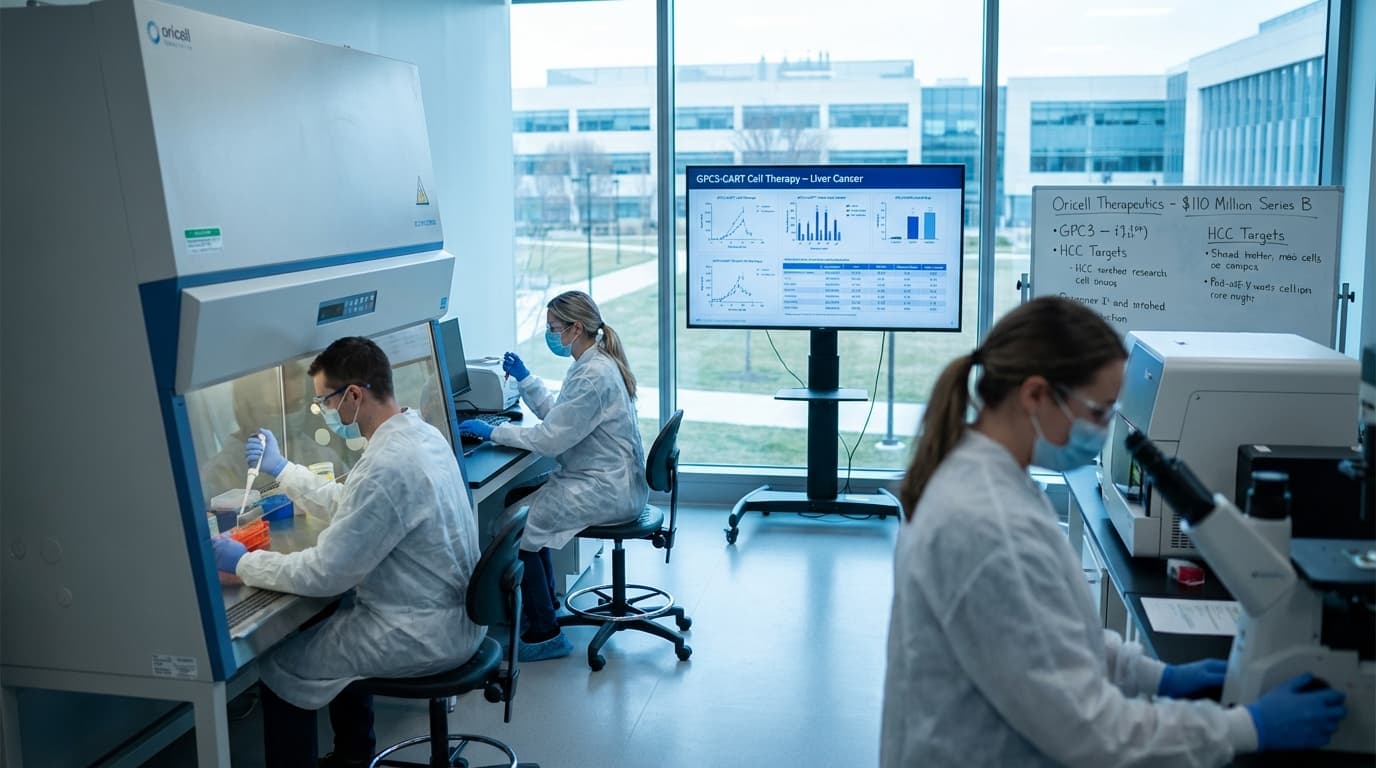
Oricell Therapeutics Secures $110 Million to Advance CAR-T Cell Therapy for Liver Cancer

With no FDA-approved therapies directly targeting GPC3 in hepatocellular carcinoma, Oricell’s cell therapy project aims to fill a critical unmet need in liver cancer treatment. However, it faces competition from major pharma and biotech players. This article explores the potential impact of Oricell's funding and the challenges ahead.
Liver cancer remains one of the most challenging cancers to treat, with hepatocellular carcinoma (HCC) being its most common form. A key molecular target in many liver cancers is the glypican-3 (GPC3) protein, which is highly expressed in tumor cells but limited in normal tissues, making it an attractive focus for targeted therapies.
In a significant development, Oricell Therapeutics has successfully secured $110 million in funding to propel its CAR-T cell therapy designed to selectively target GPC3 in liver cancer. This infusion of capital underscores investor confidence in Oricell’s approach and the potential for CAR-T therapies to transcend their established role in hematologic malignancies to treat solid tumors like HCC.
CAR-T cell therapy has revolutionized treatment in certain blood cancers by engineering patients' own T cells to recognize and destroy malignant cells. However, applying this modality to solid tumors such as liver cancer introduces additional complexities including tumor microenvironment barriers, antigen heterogeneity, and immune evasion mechanisms.
Oricell’s therapy aims to overcome these challenges by harnessing advanced engineering to enhance T cell targeting, persistence, and infiltration into liver tumors. Yet, the path to clinical success remains competitive and demanding. Pharmaceutical giants including AstraZeneca and Eureka Therapeutics are developing their own investigational therapies aimed at GPC3 or similar targets, intensifying the race to bring efficacious treatments to market.
The lack of currently approved therapies for GPC3-positive liver cancers amplifies the urgency and opportunity in this space. Approval of an effective CAR-T therapy would address a critical unmet need, offering a novel treatment option for patients with otherwise limited alternatives.
Moreover, Oricell’s progress represents broader trends in oncology drug development that emphasize precision targeting and immunotherapy to improve clinical outcomes. If successful, this approach could reshape the treatment landscape for liver cancer and reinforce the promise of cell therapies in solid tumors.
Nevertheless, it is important to monitor ongoing preclinical and clinical data, as well as competitive developments, to fully assess Oricell Therapeutics' potential impact. As with any breakthrough therapy, challenges related to safety, manufacturing, and regulatory approval will play pivotal roles in determining its ultimate success.
For a deeper understanding of Oricell’s funding milestone and its implications in the liver cancer therapeutic arena, refer to the original report here: MedCity News.
Join the BioIntel newsletter
Get curated biotech intelligence across AI, industry, innovation, investment, medtech, and policy delivered to your inbox.