SNAP Soda Bans Cut Purchases 12%, But Substitution And Stigma Complicate The Health Case

STAT reported that the working paper, which has not yet been peer-reviewed, estimates the drop equals about 34 fewer 12-ounce cans of soda per person per year and could reduce type 2 diabetes risk by 2.6% over the next 10 years. The same study also found that recipients redirected up to 39% of the forgone soda spending to other sugary beverages and were more likely to report feeling judged or disrespected.
Restrictions on using Supplemental Nutritional Assistance Program benefits for soda and candy have been one of the most visible policy changes tied to the Make America Healthy Again movement. A new study now offers an early answer to a central policy question: the bans did reduce soda purchases among SNAP households, but the size and quality of that effect leave room for debate about how much health improvement the rules can deliver on their own.
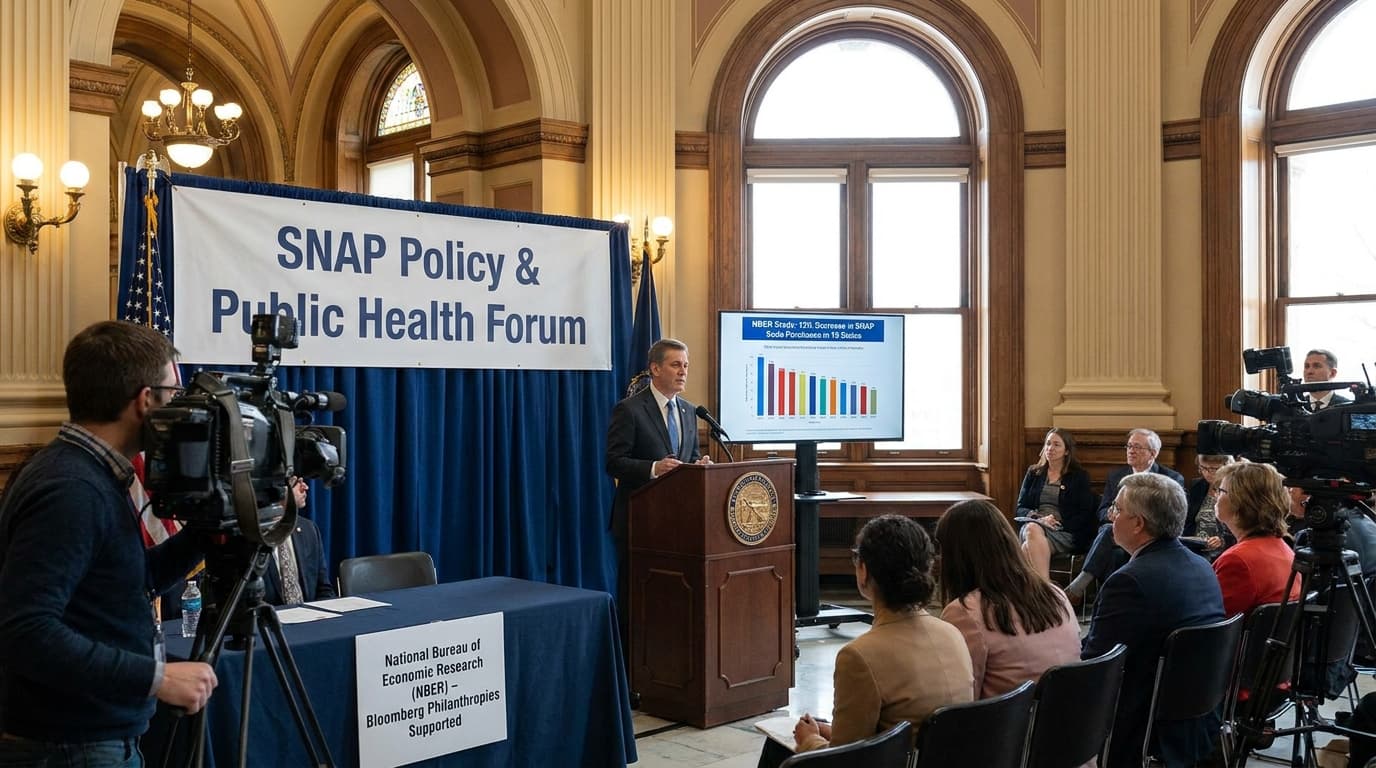
According to STAT, the study found soda purchases fell by about 12% among people receiving SNAP benefits after restrictions took effect in 10 states. The paper was published by the National Bureau of Economic Research and has not yet been peer-reviewed.
The Data
The study’s authors said the decline translates to about 34 fewer 12-ounce cans of soda per person per year. Matt Notowidigdo, an economics professor at the University of Chicago Booth School of Business and a co-author, told STAT that this is “probably one part of a broader set of policies” if the goal is to reduce obesity and diabetes linked to overweight and overconsumption of sugary beverages.
The researchers used data from the first six months of 2026 on grocery purchases in 15,000 households using SNAP benefits, including 3,291 households in 10 states that had implemented the new restrictions. They estimated that the lower soda consumption would reduce the risk of developing type 2 diabetes by 2.6% over the next 10 years, or about 34,000 fewer new cases in the U.S. Notowidigdo told STAT that this would amount to $1 billion in annual health-care savings.
That estimate needs to be read against the size of the broader system. STAT noted that U.S. health-care spending reached about $5.3 trillion in 2024, making the savings meaningful but limited at the national level.
The Limits Of The Policy
The same study also identified two constraints on the health case for these restrictions. First, SNAP recipients used up to 39% of the money they did not spend on soda to buy other sugary drinks and fruit juices that were not covered by state bans. Notowidigdo told STAT that if the goal is to reduce sugar consumption, “you want the ban to be more comprehensive, not less.”
Second, a survey conducted as part of the study found that recipients were more likely to report feeling judged or disrespected. Benjamin Chrisinger, an assistant professor of community health at Tufts University, told STAT by email that this finding is “concerning.” He added that stigma is difficult to compare with other health indicators, which complicates any assessment of trade-offs.
STAT also cited Robert Paarlberg, a professor emeritus of political science focused on food policy at Wellesley University, who said the study looks sound but questioned whether a 12% cut in soda purchases among the 12% of Americans who use SNAP adds up to a large enough national health gain to justify the stigma.
The Broader Policy Context
So far, 23 states have received waivers from the U.S. Department of Agriculture to restrict purchases of soda, candy and other so-called junk food, though the rules vary by state. The restrictions are currently suspended in five of those states under orders from a federal judge.
The study was supported by a grant from Bloomberg Philanthropies, which has worked to tax sugary beverages in the U.S. and elsewhere. STAT noted that Bloomberg Philanthropies also funds STAT but is not involved in its editorial decisions.
Paarlberg pointed to taxation as a possible alternative model. He told STAT that when Philadelphia taxed sugary beverages, consumption fell 31% across all groups, not only among SNAP recipients, while also generating revenue for neighborhood projects. In his view, that approach also avoided the same stigma dynamic because the policy was framed around revenue rather than obesity or health.
For policymakers, the signal from the paper is mixed rather than negative. Benefit restrictions appear capable of changing purchasing behavior, which matters in a debate where some economists had argued households would simply shift other funds and keep buying the same products. But the study also suggests that a narrow product ban may deliver only partial health benefits unless it is paired with broader design choices, and that any measurable reduction in consumption comes with a social cost that policymakers will have to weigh directly rather than treat as incidental.
Join the BioIntel newsletter
Get curated biotech intelligence across AI, industry, innovation, investment, medtech, and policy delivered to your inbox.