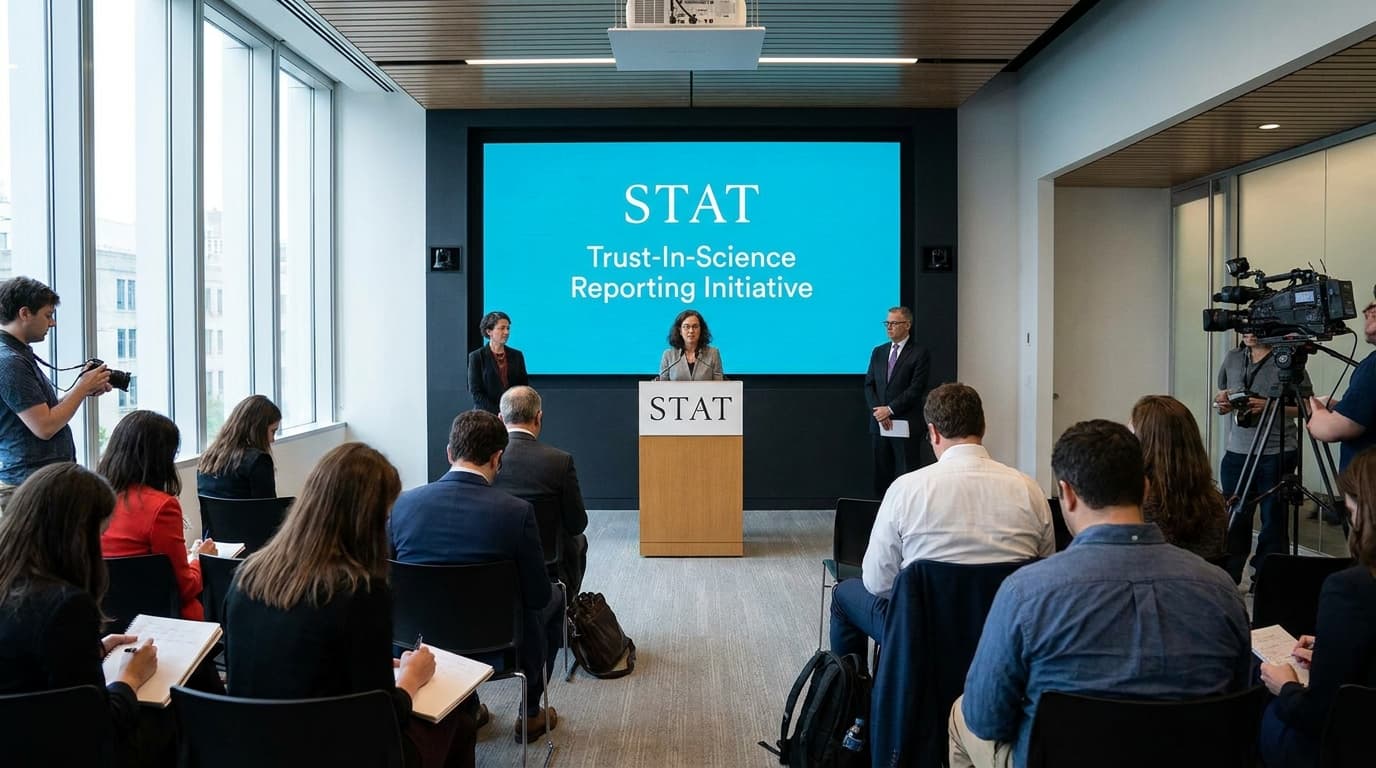
STAT Launches Trust-In-Science Reporting Initiative, Adding Two Dedicated Roles

STAT said trust has become central to its mission after the Covid-19 pandemic and amid what it called a defining crisis in science. The publication hired Nicholas Florko to lead a new reporting beat focused on misinformation, how it spreads, and what can be done to counter it.
STAT said it is expanding its coverage of public confidence in science by creating two new roles: a trust-in-science reporter and an editor. The publication framed the move as a response to a broader trust crisis shaped by the pandemic response, high-profile scientific misconduct, politicization of health agencies and demonization of their leaders, and the spread of misinformation and disinformation.
The new reporter is Nicholas Florko, who previously spent six years at STAT and then two years as a staff writer at The Atlantic. STAT said the applicant pool for the role was larger than for any newsroom position in its history, which suggests the subject has become a durable editorial and industry priority rather than a temporary reaction to pandemic-era debate.
Why STAT Is Making The Move
In announcing the initiative, STAT said distrust is not always irrational and can reflect real failures by institutions, including the press, to be transparent, inclusive, or accountable. That framing matters because it shifts the discussion away from treating public skepticism as a purely behavioral problem and toward examining how scientific institutions, media organizations, and public-health communicators earn or lose credibility.
Florko said he wants to examine the origins of misinformation, how it spreads, and what can be done to counter it. He also said he plans to bring compassion to the beat, arguing that too much coverage of declining trust in science, particularly around the anti-vaccine movement, assumes its adherents are either stupid or crazy, when many are concerned parents trying to protect their child.
That editorial approach signals a practical shift in health coverage. For publishers and institutions operating in science and medicine, trust is no longer just a reputational concern. It affects how evidence is received, how policy is debated, and whether public guidance translates into real-world uptake.
The Broader Signal
STAT said its trust-in-science work will include additional stories and First Opinion essays beyond Florko’s reporting. It also noted that the initiative is supported by the Dana, Greenwall, John Templeton, and Boston foundations.
The strategic significance is less about one newsroom hire than about the formal creation of a beat around trust as a core health-system variable. When misinformation, institutional credibility, and public interpretation of evidence are treated as a dedicated reporting area, they move from the margins of science coverage into a standing part of the policy and market conversation.
STAT also said the issue will be a theme at its STAT Summit in Boston and virtual on Oct. 14-15, where Florko and other reporters will interview executives, policymakers, scientists, and patient advocates. That placement indicates trust is being treated not only as a media question, but as a cross-sector issue with consequences for health leadership, public communication, and decision-making.
Join the BioIntel newsletter
Get curated biotech intelligence across AI, industry, innovation, investment, medtech, and policy delivered to your inbox.