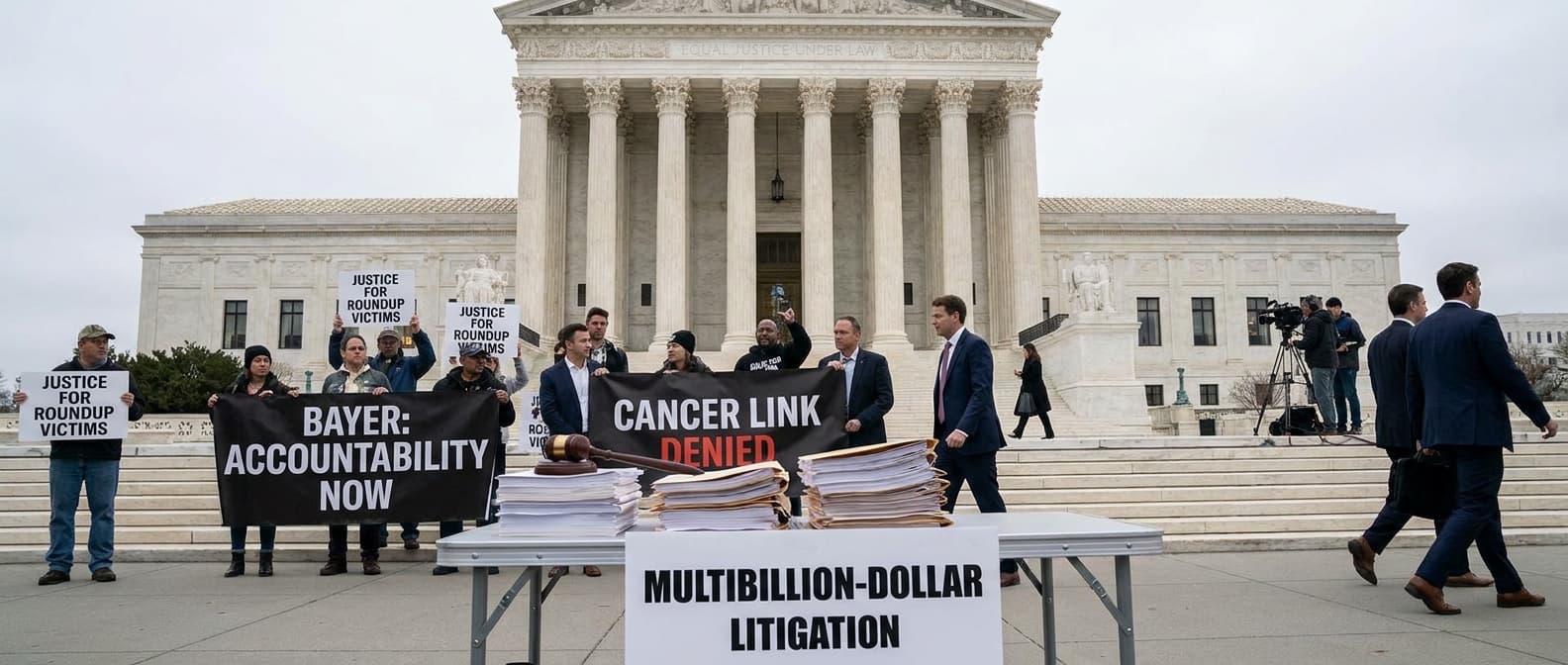
Supreme Court Addresses Massive Roundup Cancer Lawsuits Impacting Industry Landscape

Roundup, a weedkiller previously at the center of numerous cancer-related claims, faces renewed scrutiny as the Supreme Court takes up the wave of lawsuits. This legal examination holds broad significance for regulatory frameworks, manufacturer liability, and public health policy.
Introduction
The herbicide Roundup, known for its active ingredient glyphosate, has been the subject of extensive litigation alleging a causal relationship between exposure and various forms of cancer, primarily non-Hodgkin lymphoma. The recent surge of multibillion-dollar lawsuits has reached the U.S. Supreme Court, bringing the controversy back into the national spotlight.
Legal Context and Background
Since early high-profile trials began several years ago, Monsanto, now under Bayer, has faced thousands of claims from individuals alleging that Roundup caused their cancer.
The cases have involved complex scientific debates over epidemiological evidence, toxicology, and regulatory approvals from agencies such as the EPA. In several instances, courts awarded large damages to plaintiffs, provoking appeals and calls for regulatory reassessments.
Supreme Court's Role and Stakes
The Supreme Court's involvement in this issue signals potential shifts in how liability and causation are determined in product-related cancer claims. Key legal questions include:
- Standards of scientific proof required to establish causation
- Jurisdictional and procedural rules for mass tort litigation
- The balance between industry innovation and consumer protection
This judicial scrutiny could redefine the liability landscape for glyphosate-based products and other chemical exposures.
Industry and Regulatory Implications
-
For Manufacturers: The legal outcomes may influence regulatory submissions, safety warnings, and product formulations. Companies might adjust risk management strategies and communications with consumers and regulators.
-
For Regulators: The lawsuits highlight tensions between scientific assessments by public agencies and court interpretations. Regulatory bodies could face increased pressure to review glyphosate's safety and reinforce guidance.
-
For Healthcare Providers and Patients: Clarified evidence and labeling can empower better risk awareness and proactive health monitoring.
Broader Public Health and Environmental Impact
The debate around Roundup extends beyond cancer risks to consider environmental effects and agricultural practices. Court decisions may affect pesticide use policies, crop management, and sustainability initiatives.
Market and Financial Considerations
The outcome of Supreme Court rulings can substantially alter Bayer's financial exposure and influence investor confidence. The broader agrochemical sector could see shifts in valuations and risk profiles.
Conclusion
The Supreme Court's grappling with the multibillion-dollar wave of lawsuits over Roundup cancer claims reflects a pivotal moment in regulatory and legal intersections for biopharmaceutical and agricultural products. This case exemplifies the challenges of balancing innovation, safety, and accountability where public health concerns arise.
The unfolding developments merit close attention from industry stakeholders, policymakers, and the medical community for their long-term implications.
For further details, refer to the original report here: STAT News.
Join the BioIntel newsletter
Get curated biotech intelligence across AI, industry, innovation, investment, medtech, and policy delivered to your inbox.